#faculty
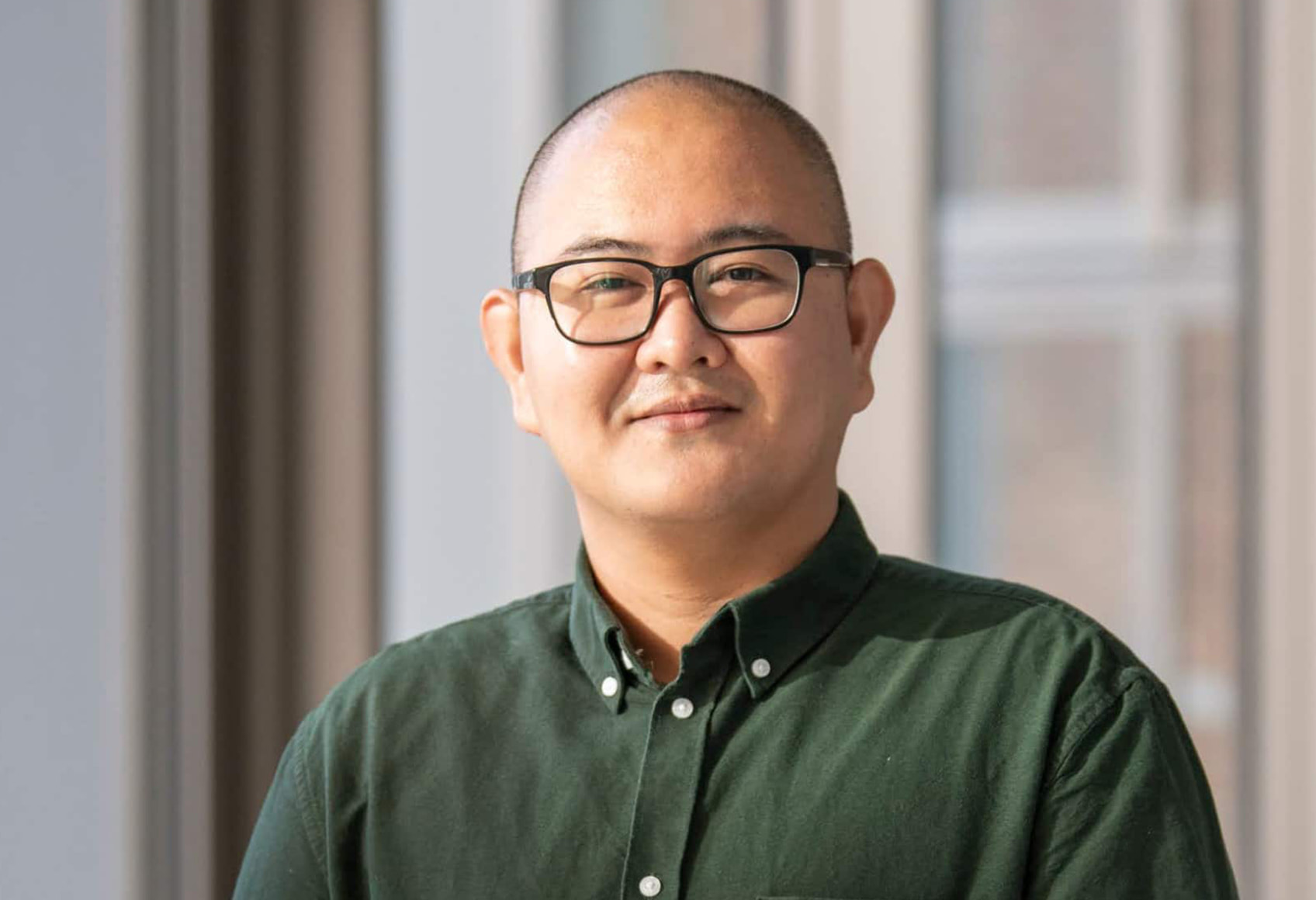
Gian Powell Marquezマルケス ジアン パウエル
Associate Professor
Eng.D. in Aerospace Engineering, Nagoya University
Email : gpbm [at] fc.ritsumei.ac.jp (Replace "[at]" with "@")
Office Location : AC5414
Education History /
Work Experience
Education history
2013/04 - 2016/03 : Doctorial Course | Aerospace Engineering | Graduate School of Engineering | Nagoya University | Completed | Doctor of Engineering
2008/06 - 2012/06 : Master Course | Marine Science | The Marine Science Institute | University of the Philippines- Diliman | Completed | Master of Science in Marine Science
2003/06 - 2007/06 : Institute of Biological Sciences, College of Arts and Sciences | University of the Philippines- Los Baños | Graduated | Bachelor of Science in Biology
Work experience
2021/04/01 - : Associate Professor | College of Global Liberal Arts | Ritsumeikan University
2019/04/01 - 2021/03/31 : Assistant Professor | College of Global Liberal Arts | Ritsumeikan University
2018/04/01 - 2019/03/31 : Researcher | Nagoya University
2016/04/01 - 2018/03/31 : Postdoc researcher | Nagoya University
Specialization /
Research Interests
Research keywords
Anaerobic Digestion, Bioenergy, Biomass, Marine Biomass, Sustainability
Specialization / Research Interests
My research explores how seaweeds (brown and green macroalgae) can be converted into renewable energy in salt-rich environments using anaerobic digestion. I work from small laboratory tests to practical bench-scale projects, prioritizing simple, reliable designs, process stability, and clean methane production. I’m interested in pretreatment, co-digestion with coastal by-products, and ocean-related applications that support the blue and circular bioeconomy. I approach my research goal with a space technology mindset: solutions should be closed-loop, resource-efficient, and robust under constraints.
Message to Students
I like to keep science simple: the universe has two core ingredients: energy and space. When we study how energy moves and how space constrains it, we can understand the natural world and evaluate technologies responsibly. In GLA, we study oceans and other environments through this lens, using observation, measurement, and clear reasoning to make sense of complex systems. Sustainability grounds our approach, and the same thinking appears in space technology: close cycles, respect limits, and keep systems reliable under constraints through closed loop, resource efficient, robust practices. You do not need a heavy science background; curiosity, careful thinking, and a willingness to learn are enough. If this way of thinking resonates with you, see me at GLA. I would be glad to help you grow a scientific mindset for evidence-based understanding.