Academics
Courses
Sustainable Urban Policy Ⅴ
Professor UEHARA Takuro
Online Syllabus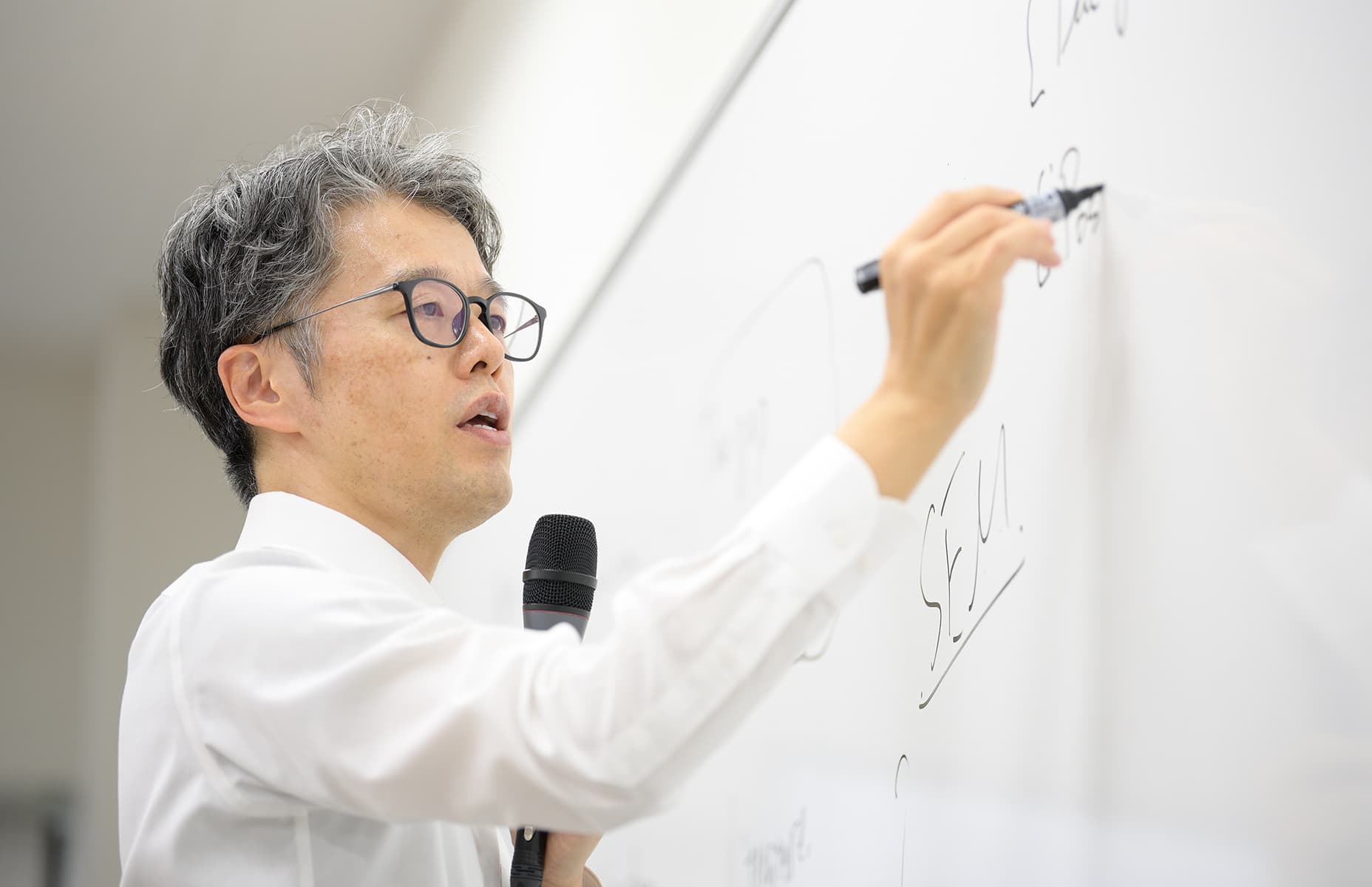
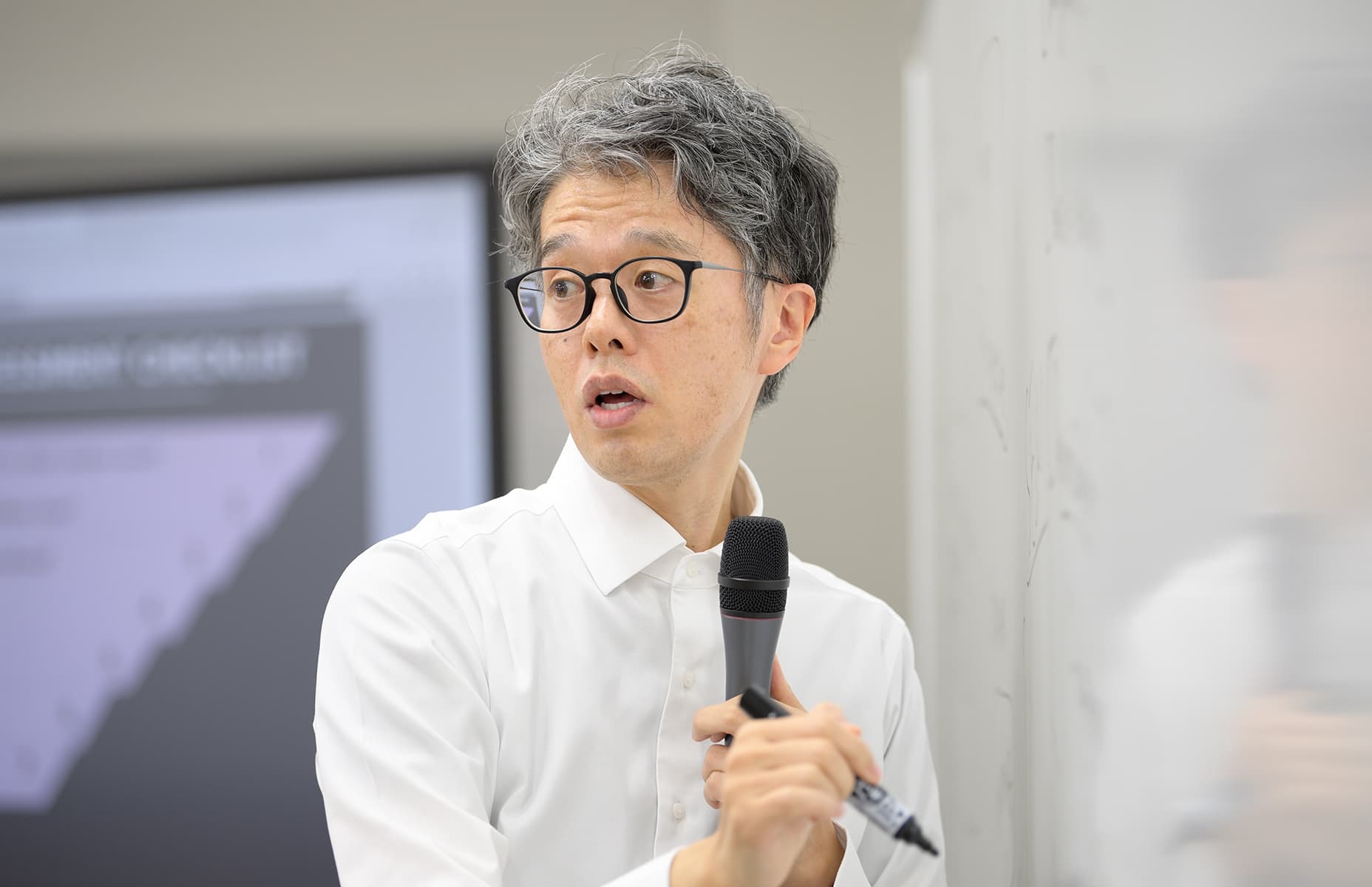
Cities are complex and interconnected, meaning policy changes can have unexpected ripple effects. This course takes a systems-thinking approach to urban sustainability, exploring how feedback loops, unintended consequences, and interdependencies shape city policies.
We'll tackle big questions like: Do more traffic lanes reduce congestion? How do environmental policies affect low-income communities? Is the sharing economy genuinely sustainable? Students will use qualitative (systems thinking) and quantitative (system dynamics) tools to analyze policy challenges and find leverage points for better decision-making.
Student interests will shape topics, covering areas like transportation, housing, sustainability, and economic development. By the end, students will have a sharper, systems-based perspective on urban policy and the skills to make more effective, sustainable decisions.