Academics
Courses
General Education Course Ⅲ
Associate Professor SAUCEDO SEGAMI, Daniel Dante
Online SyllabusWhat are the aims of the course?
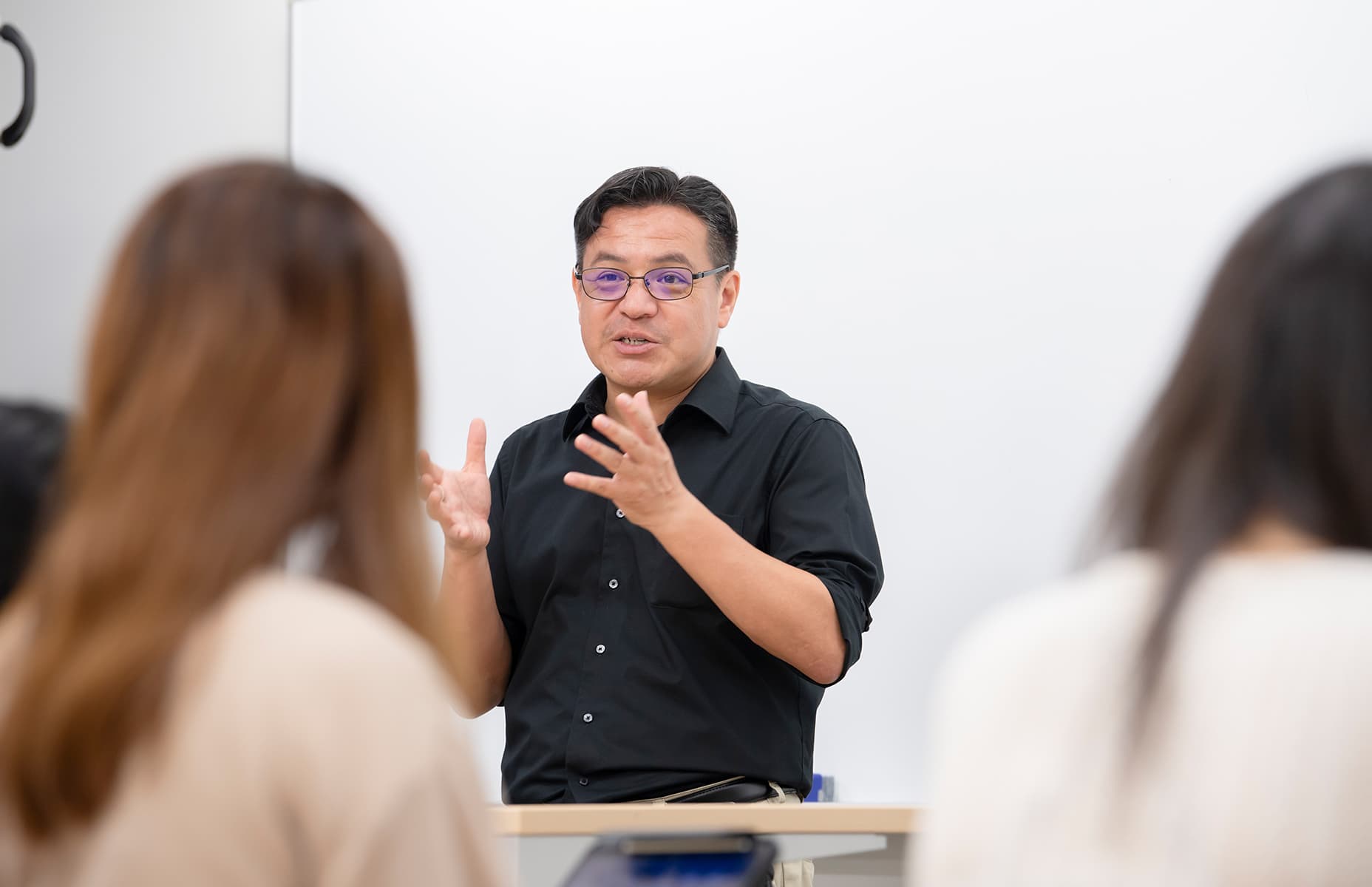
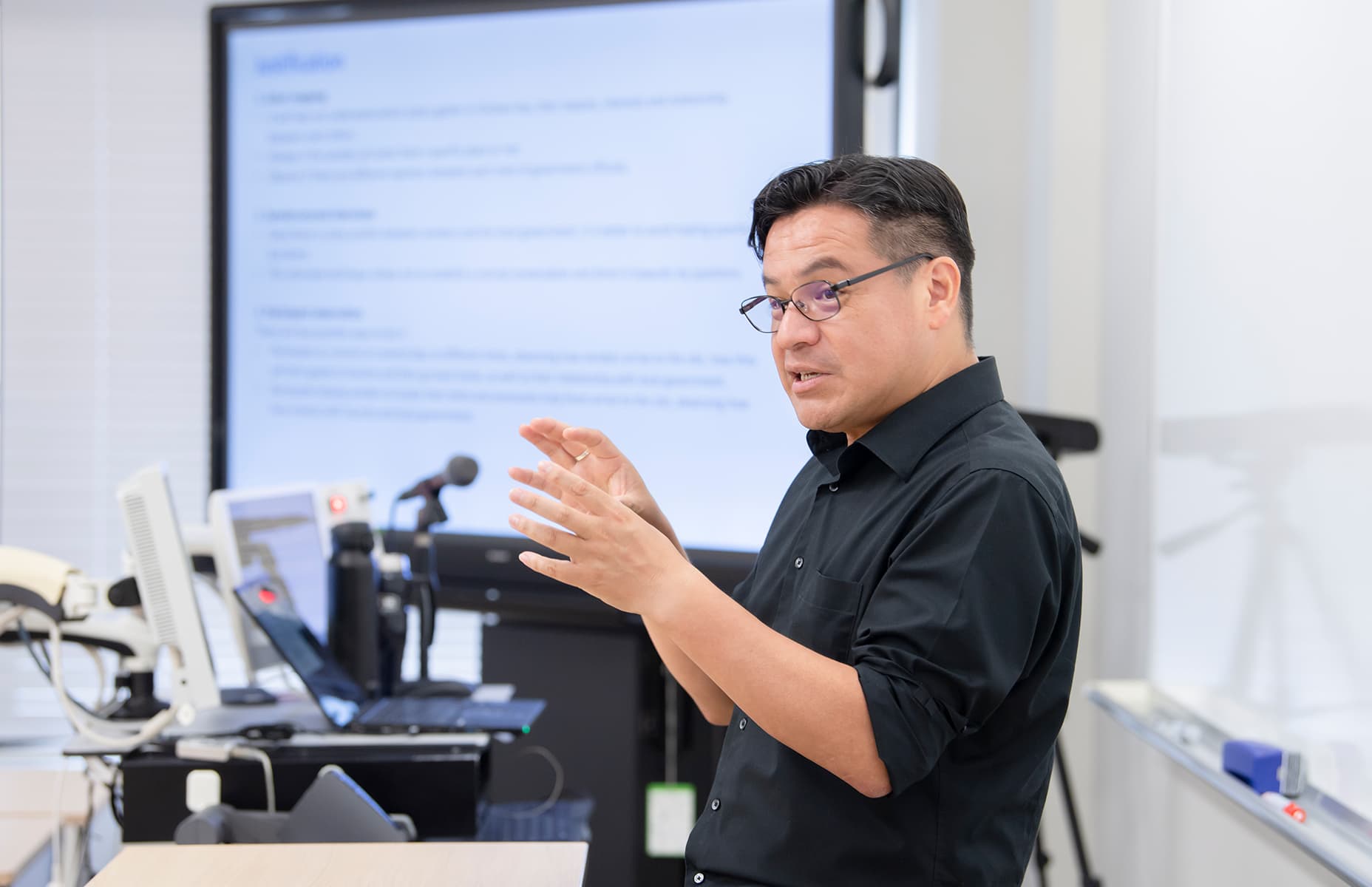
The subtitle of this course is Introduction to Cultural Anthropology Methods Applied to Policy Science. It aims to give students a general understanding of Cultural Anthropology to broaden their perspectives on different cultures and societies, while also providing them with useful tools from this field to gather information for their research projects. When interacting with people, it is important to be aware of our own cultural limitations (ethnocentrism), which may lead to bias in the data we collect from fieldwork. It is equally important to have an open mind to understand cultural diversity, which may influence the results of the activities we carry out with our collaborators. By learning the theory of Cultural Anthropology, as well as its methods that can be applied to different situations, students become capable of understanding and explaining complex cultural and social relationships that influence our modern world, developing better strategies to find and solve problems in modern societies. Ultimately, this course provides students with the opportunity to develop an acceptance and appreciation of people and cultures from different backgrounds, while acquiring a broad cultural perspective.
What are some of the strategies/ methods you use to get students to reflect on what they are learning?
Learning about a different field from Policy Science can be a challenging experience. Therefore, we first conduct a general review of the theory behind Cultural Anthropology through group presentations, helping students become familiar with key concepts and terminology in this field. With this foundation, it becomes easier to understand how Cultural Anthropology can be applied to Policy Science research projects. To gain a comprehensive overview of the applicable research strategies, we learn and practice various methods for collecting, analyzing, and evaluating social interactions by engaging in hands-on fieldwork experiences, either individually or in groups. Finally, we analyze different case studies and propose research methods to gather the necessary data to address specific problems.