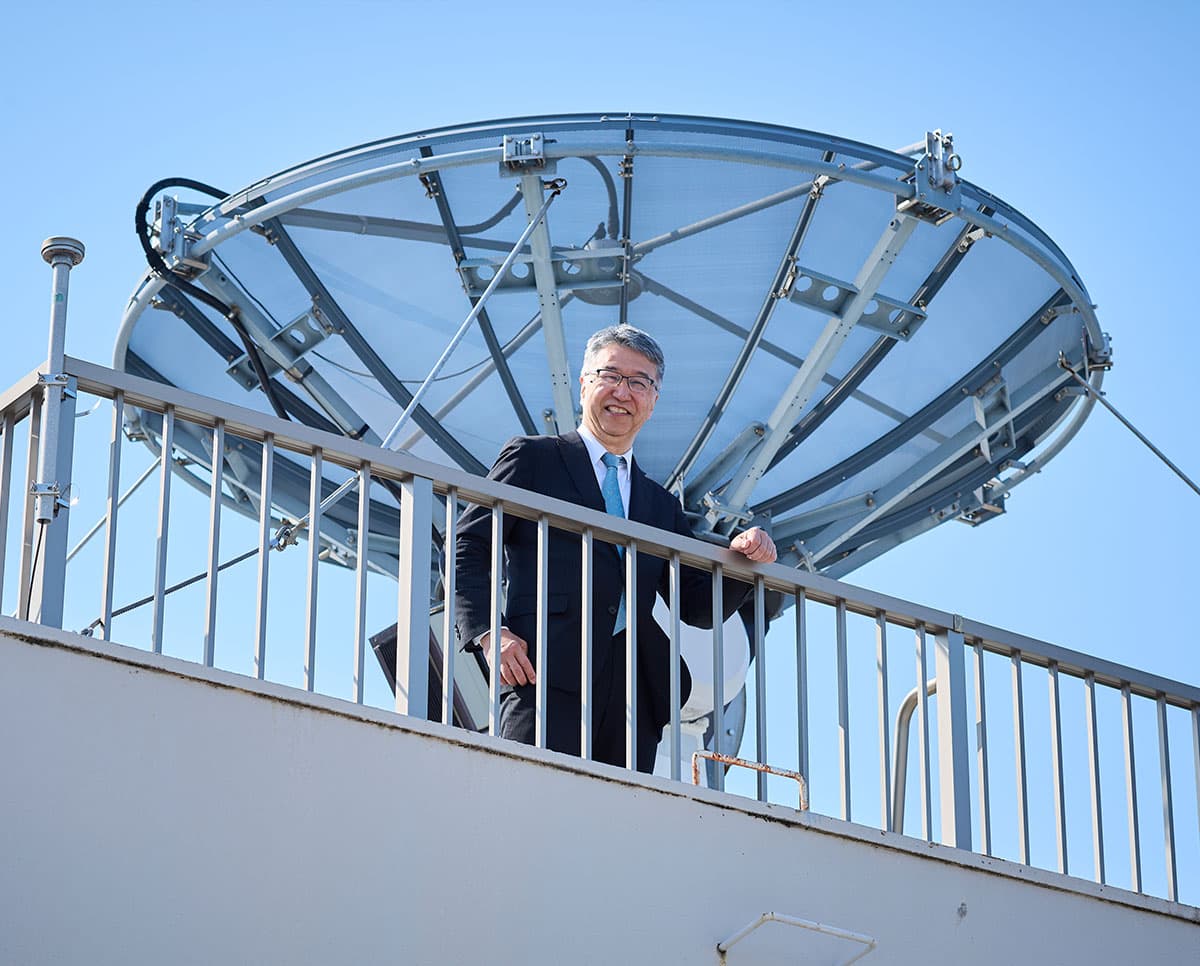
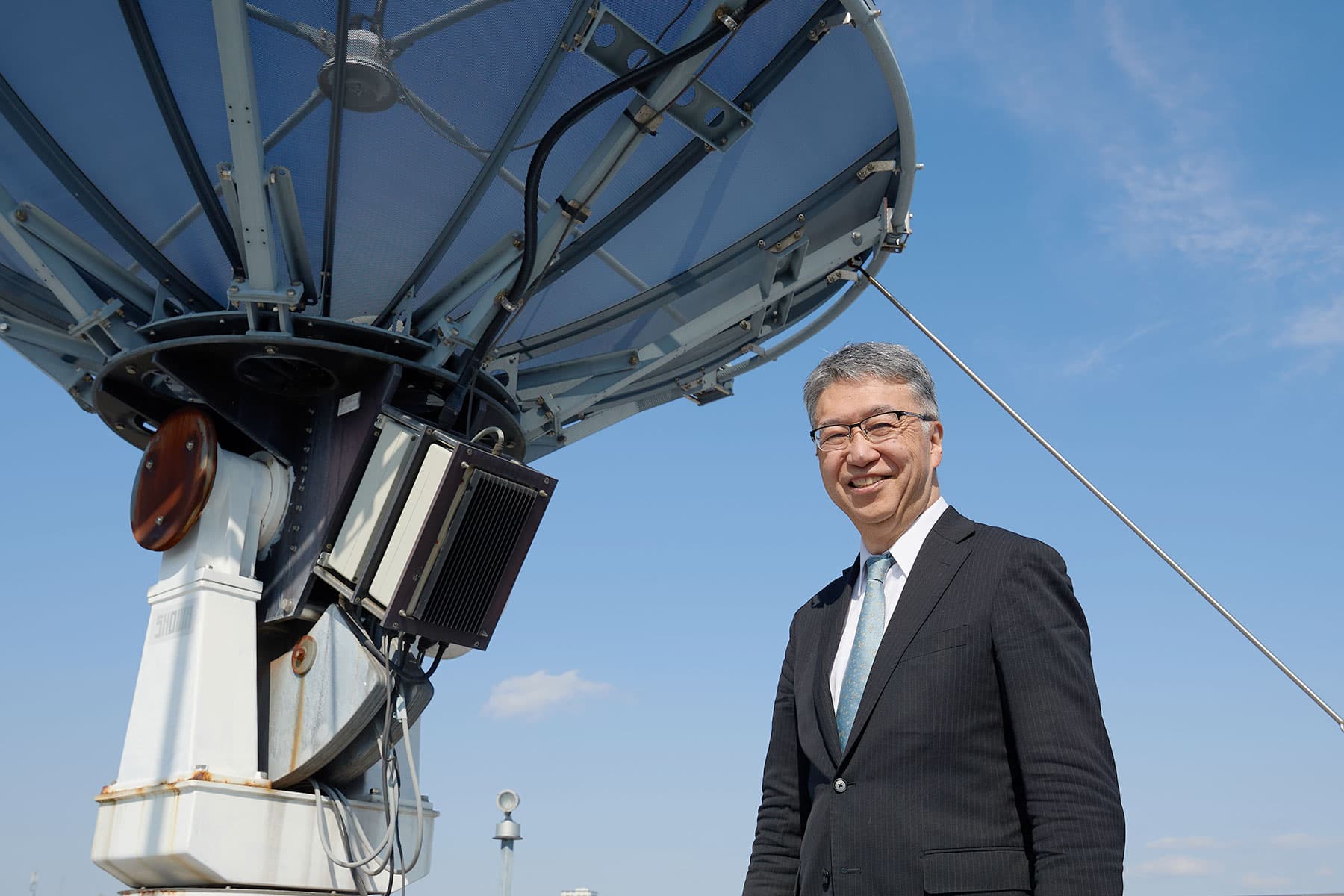
Prospective Faculty
Expanding the possibilities of space utilization
through the development of microsatellites
April 2028~: Scheduled to assume the position of Dean of the Graduate School of Frontier Exploration in Earth and Space
PROFILE
NAKASUKA graduated from the Department of Aeronautics, School of Engineering, University of Tokyo in 1983, and he completed the doctoral program at the Graduate School of Engineering, University of Tokyo in 1988 earning a Doctor of Engineering.
He then conducted research on artificial intelligence and automated factories at IBM Japan.
In 1990, he was appointed as Lecturer in the Department of Aeronautics at the University of Tokyo. After serving as Associate Professor at the Research Center for Advanced Science and Technology at the University of Tokyo and as a visiting researcher in the United States, he became Professor in the Department of Aeronautics and Astronautics at the University of Tokyo in 2004. His fields of specialization are space engineering and intelligent systems.
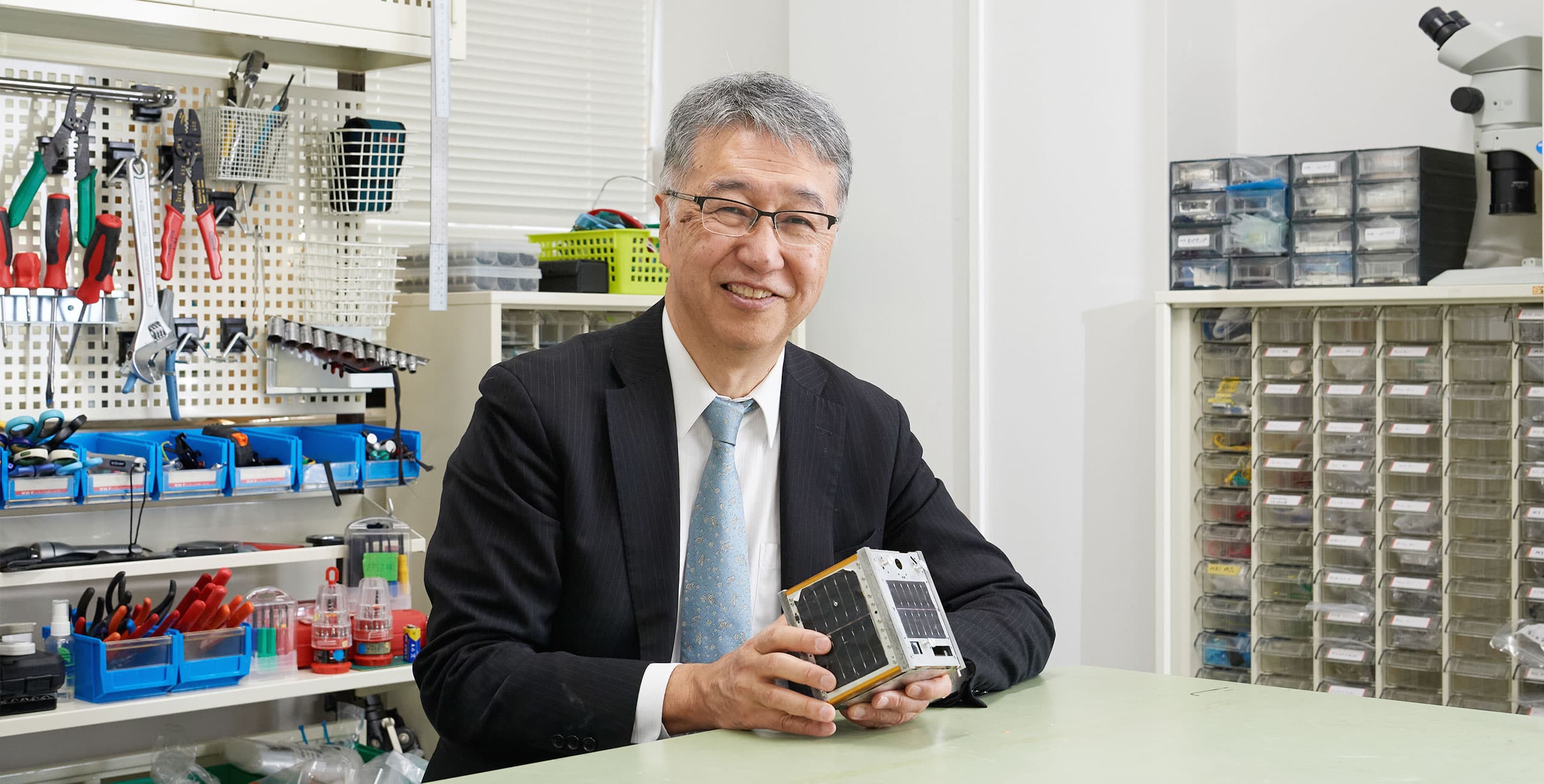
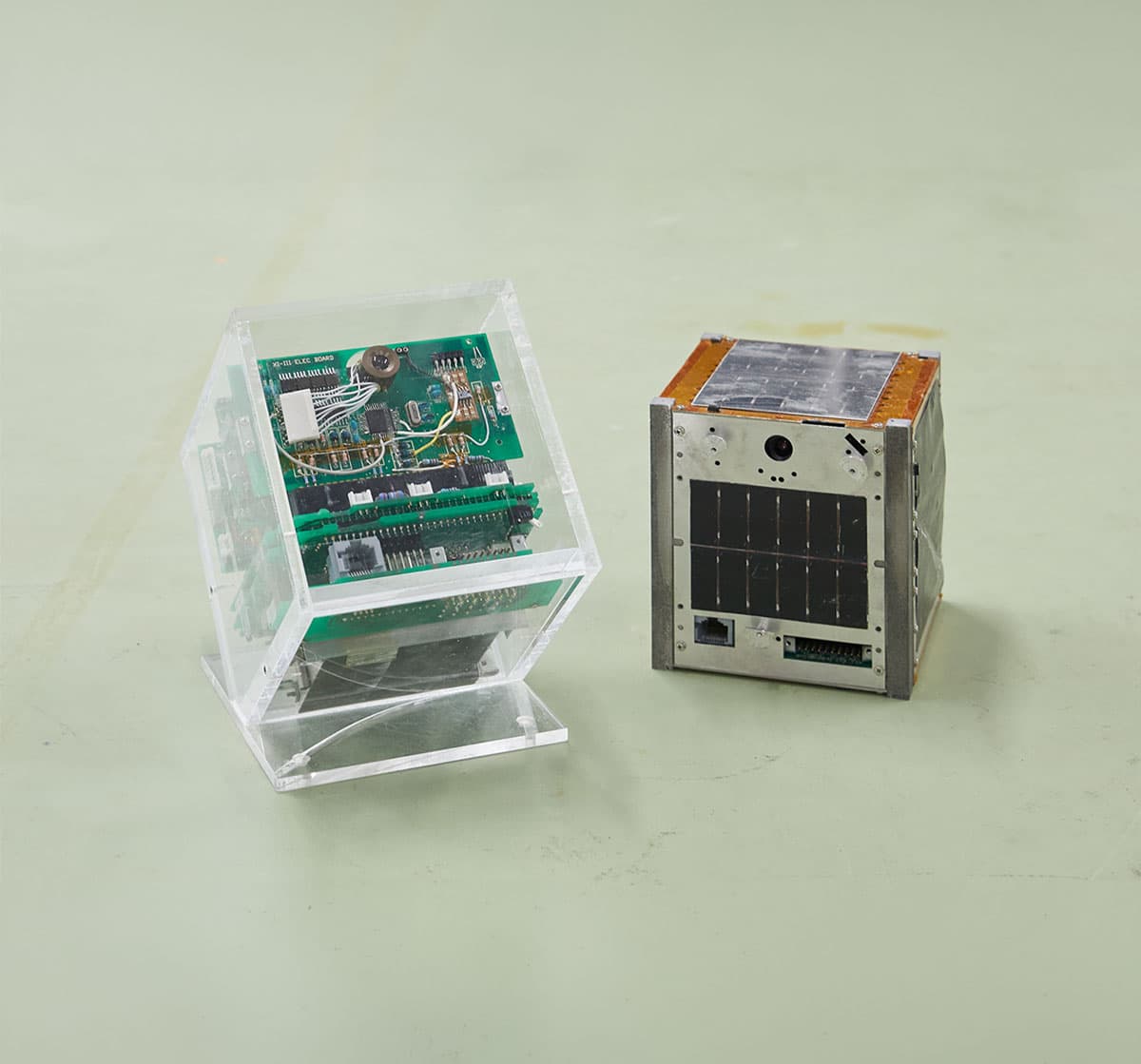
Following the successful launch of the world’s first 1 kg microsatellite in 2003, he has launched 15 microsatellites to date.
He served as a member of the Cabinet Office’s Committee on Space Policy and as Chair of its Basic Policy Subcommittee from 2012 to 2022.
He is engaged in research and education in microsatellites, intelligent and autonomous space systems, innovative space systems, and navigation, guidance and control.
He enjoys sports and runs about 15 kilometers per week. He also enjoys walking long distances and has even walked from Yokohama to Hakone. He plays sports like tennis, soccer, and skiing during his laboratory’s summer and winter retreats. A film enthusiast who has watched 2001: A Space Odyssey 28 times, he is also known for hosting popular film screenings where he explains the highlights of science fiction movies. He is also fond of beef and, through extensive taste comparisons, he has developed the ability to distinguish differences in origin and feed for certain cuts.
INDEX
- Tell us about your research
- What can students learn in your laboratory, and what kinds of research topics can they pursue?
- What kinds of careers can students who have studied in your lab expect to pursue after graduation?
- What kind of students would you like to join your laboratory?
- Message for prospective students
Tell us about your research
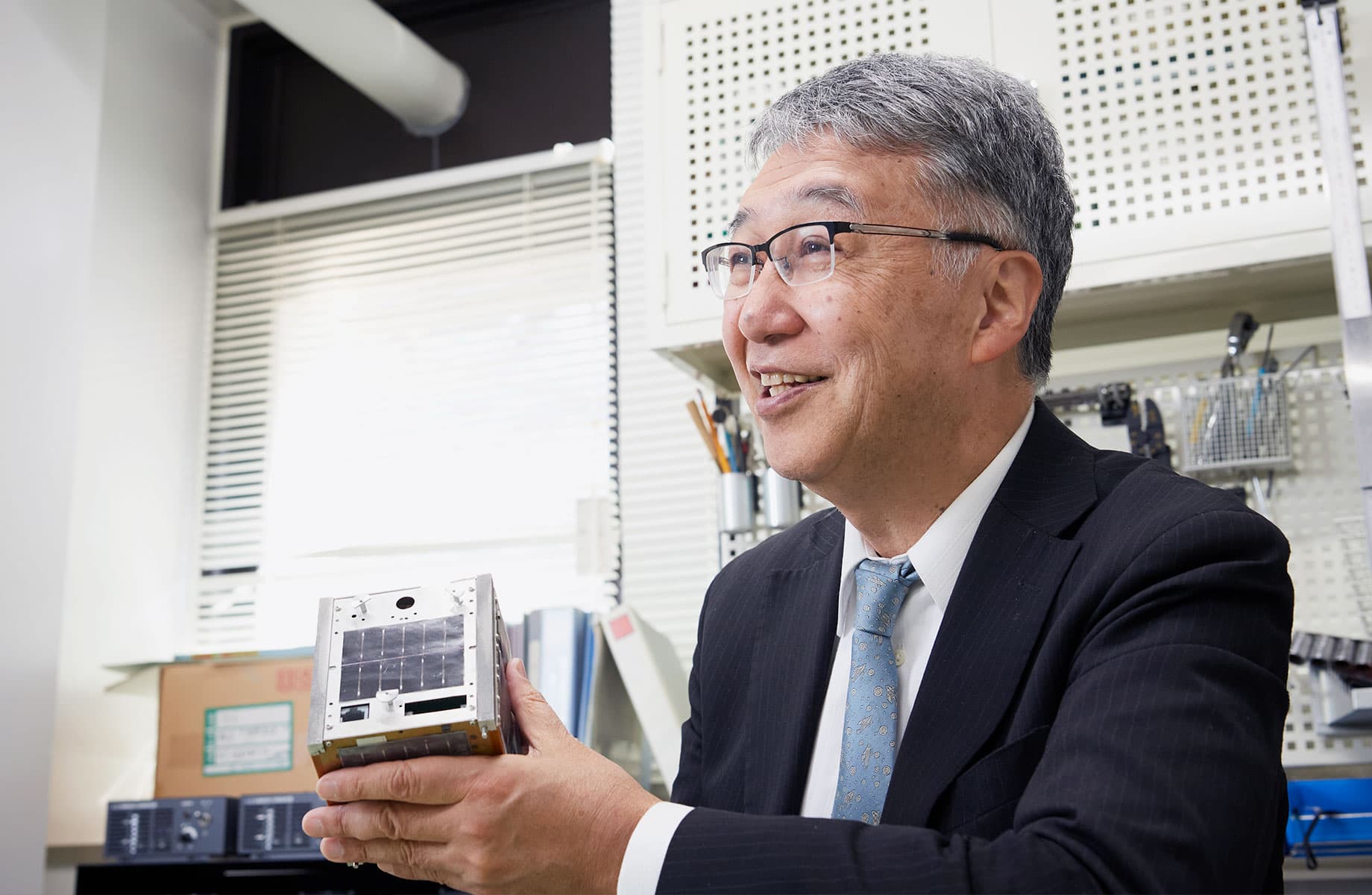
The central pillar of my work is microsatellite research. In 2003, we successfully launched the world’s first 1 kg microsatellite. This achievement contributed to the global development of small satellites and led to their use in a wide range of applications and in the space business.
Starting with satellites for education and engineering experiments, we have also developed scientific satellites that observe stars and galaxies from space, as well as Earth observation satellites that monitor wide areas of the planet and contribute to disaster monitoring and agriculture, forestry, and fisheries. In collaboration with companies, we have also taken on the challenge of developing small satellites for the entertainment industry. Low-cost microsatellites are also useful for providing development guidance to countries that are looking to become involved in space development.
By enabling multiple satellites to fly in formation, we are also working toward observing galaxies and stars with a level of resolution that would not be possible with a single small satellite. In the field known as mission design engineering, where missions are translated into satellite design, we aim to deepen collaboration with researchers in science fields and ultimately develop advanced formation-flying satellites capable of achieving breakthroughs at the level of Nobel Prize–winning research.
By developing various types of microsatellites tailored to a wide range of purposes, we aim to create an environment that enables not only governments and large corporations but also a broader range of people to participate in space development, thereby contributing to the resolution of social issues as well as technological advancement, education, business, and space science exploration.
What can students learn in your laboratory, and what kinds of research topics can they pursue?
Satellites integrate various technologies, including communications, spacecraft attitude control, mechanical design, thermal systems, and computing, so people with knowledge of a diverse array of fields are needed.
First and foremost, an important aspect is the overall architecture of a satellite—that is, the conceptual design process of determining what kind of satellite should be built for a given mission. Orbital design is another important area, so a potential research topic is exploring how to transport objects over long distances using minimal fuel. Spacecraft attitude control is also critical, as satellites must maintain precise control over their orientation in order to carry out missions such as pointing a camera in a specific direction.
Advances in one area can negatively affect others. For example, optimizing attitude control may alter thermal conditions or introduce structural issues. Considering how to manage these kinds of trade-offs to achieve a well-balanced design could be another research topic that our students could pursue. In addition, once a satellite is launched, it cannot be repaired if it malfunctions, so developing advanced system designs that can respond autonomously to any situation and continue operating is also an important research topic.
Ultimately, the goal is not just to complete research but to develop systems that can be used in actual projects, obtain feedback, and build on that experience to pursue the next research topic. I also think learning about the projects at Ritsumeikan University’s Earth &Space Exploration Center (ESEC) or participating in them would be a great learning experience.
What kinds of careers can students who have studied in your lab expect to pursue after graduation?
I think our graduates will be able to hit the ground running at organizations such as JAXA and major companies engaged in satellite development. Looking ahead to the future, I believe the role of startups will be particularly important. In the Graduate School Frontier Exploration in Earth and Space, students will also have opportunities to engage in joint research with startups. I would be very pleased to see our graduates not only join startups but also establish their own startups to create new worlds using microsatellites. I also hope to realize collaboration between universities and startups.
Satellites represent a convergence of a diverse array of knowledge and have significant ripple effects beyond the realm of technology, extending into fields such as international relations, space law, finance, and business. In my laboratory, students will learn about these wide-ranging fields by actively participating in real-world projects. For example, I believe that even through the process of building satellites, students can develop the skills necessary to become global professionals capable of succeeding in scenarios such as negotiating with various countries to establish a national presence in their own country and taking the lead in establishing rules and standards.
Even in terrestrial industries, it is possible to apply satellite technology to the development of systems that operate continuously, and I think the systems engineering skills our students have learned here can be applied in a variety of fields, such as automobile manufacturing and plant engineering.
As for international students, I hope they will work with their home governments and contribute to space development in their countries, whether by joining government institutions or launching startups in partnership with government entities.
What kind of students would you like to join your laboratory?
To design satellites, a solid foundation in mathematics and physics is essential. While our students will study hard with a clear goal in mind to design the satellites they want to build, this kind of foundational knowledge is essential. What matters most is having something you are absolutely determined to achieve and the willingness to take on any challenge required to realize it. We are looking for students with this kind of strong problem-solving mindset.
Space development takes time. It requires perseverance—that is, the determination to see a mission through without losing momentum. Teamwork is also critical. Conflicts may arise within a team that is working on a project, but solutions cannot be found if those disagreements remain unresolved. It is important to express one’s views while also making compromises for the good of the whole. This means leadership to manage teams is also necessary. I hope to welcome students who are motivated to develop these abilities by working on actual projects.