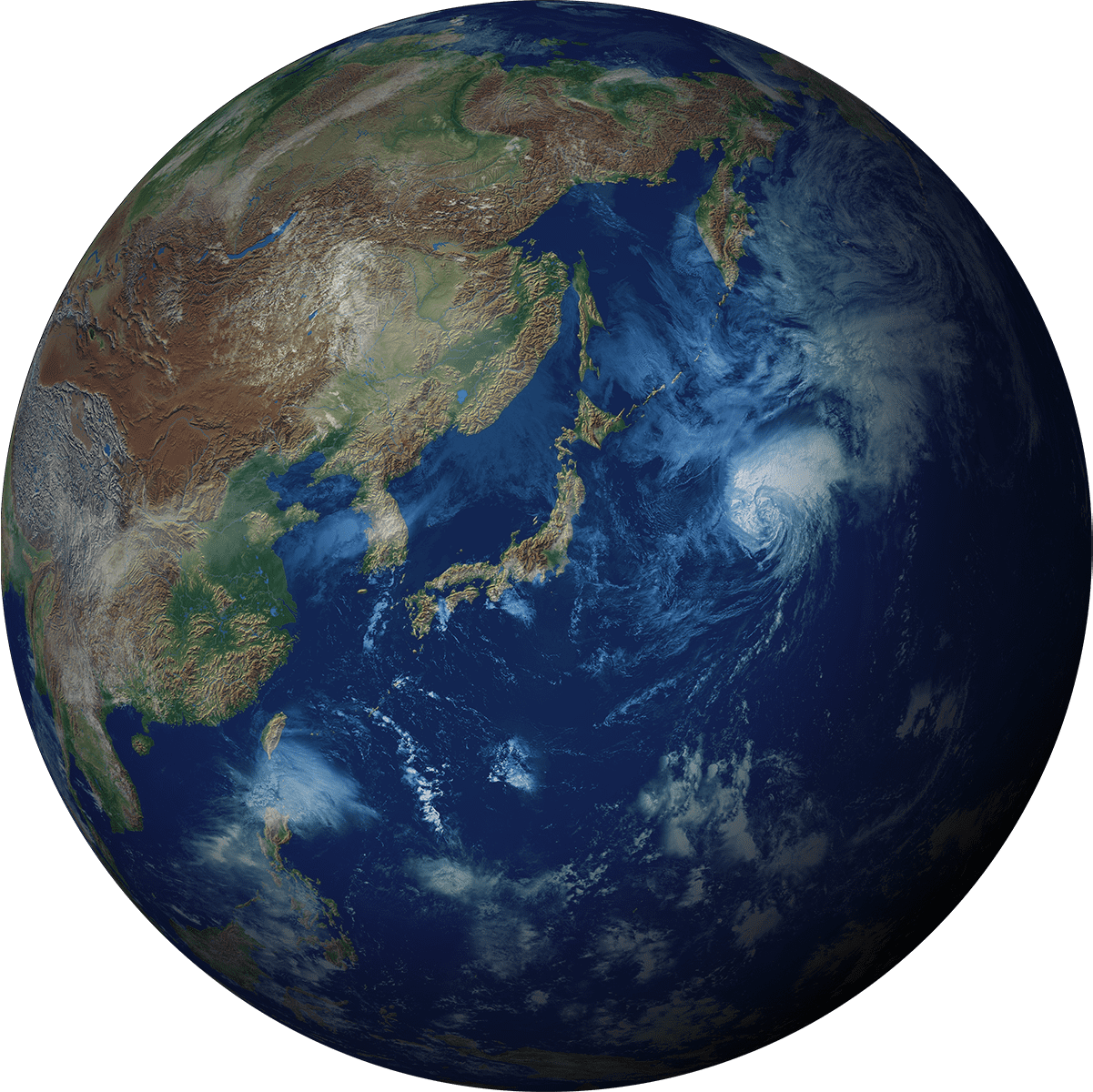
- EARTH
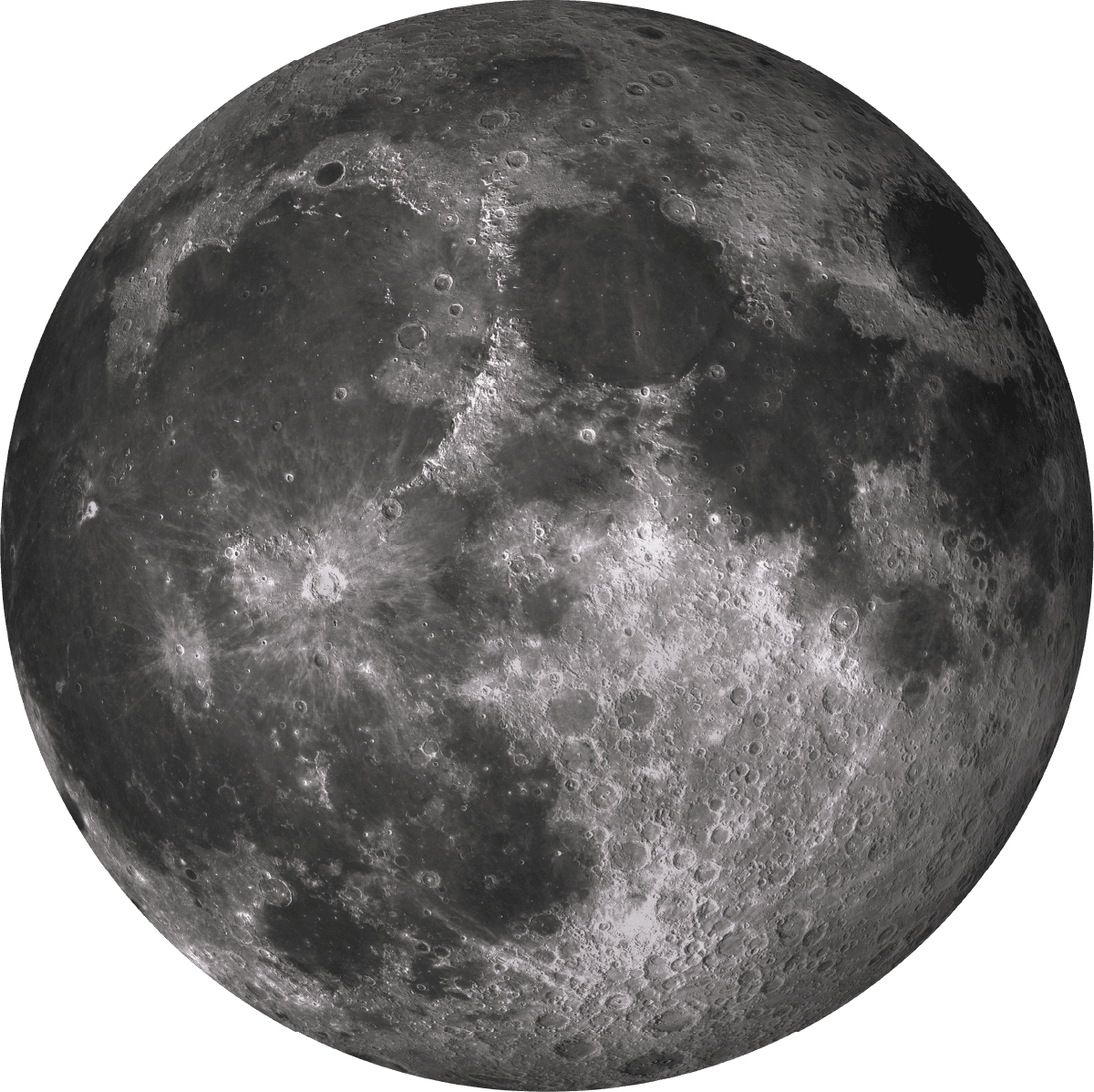
- MOON
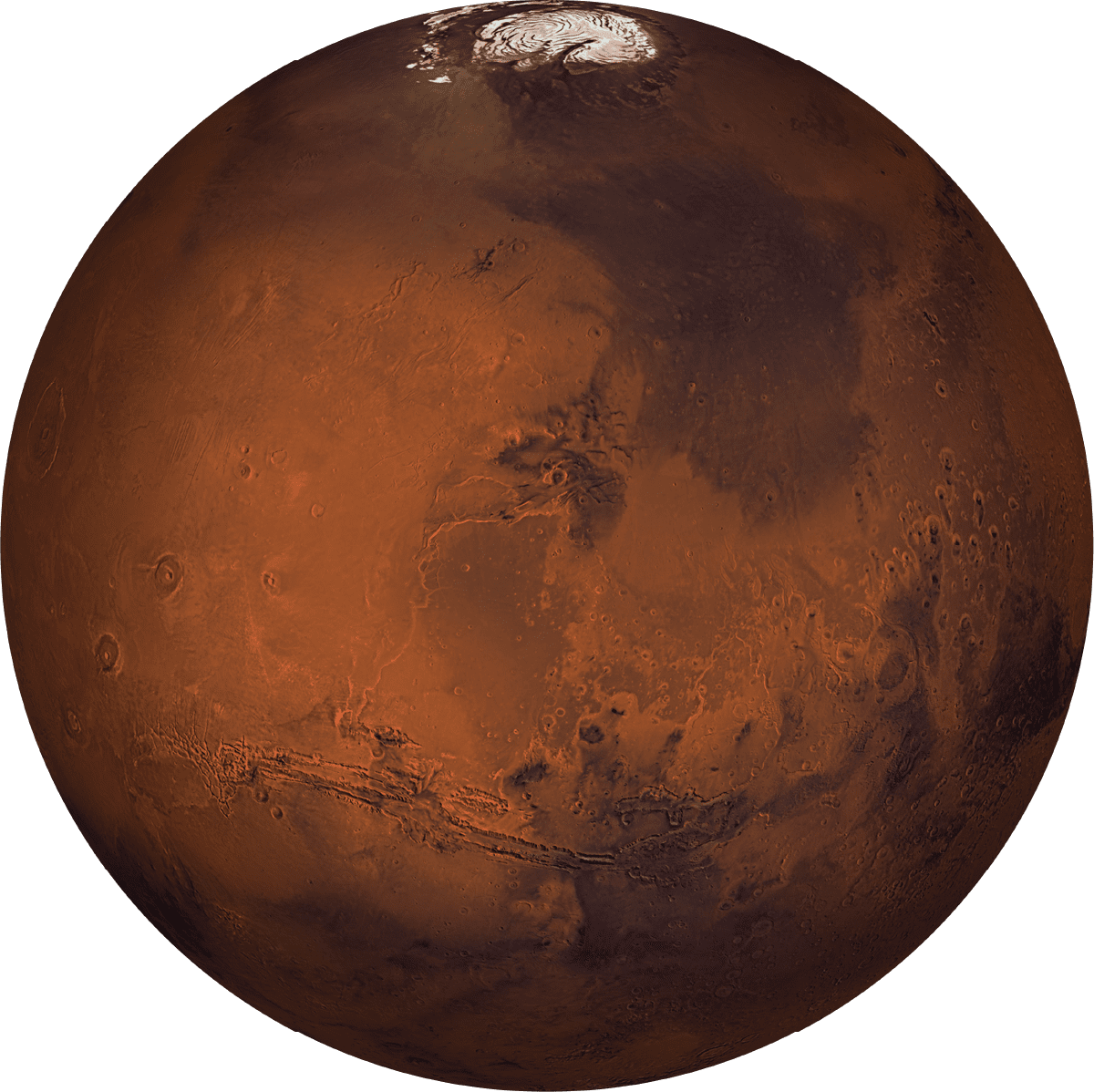
- MARS
FREX RITSUMEIKAN UNIVERSITY, GRADUATE SCHOOL OF FRONTIER EXPLORATION IN EARTH AND SPACE
Program
starts
April 2028
Space drives
humanity forward.
This graduate school is currently in the planning stage.The name is provisional, and details of the plan are subject to change.
CONCEPT
To extend human life beyond Earth,
we deliver advanced technologies and knowledge
to the frontiers of space and Earth.
Anything one man can imagine, other men can make real. This is a famous quote attributed to 19th century French novelist Jules Gabriel Verne, known as the father of science fiction and a visionary author who wrote many works, including From the Earth to the Moon and Twenty Thousand Leagues Under the Seas.
As Verne suggested, humans have explored deep space and have had several successful lunar landings—these feats were once imagined and were later turned into realities.
From now, what comes next?
What will be imagined and who will accomplish it?
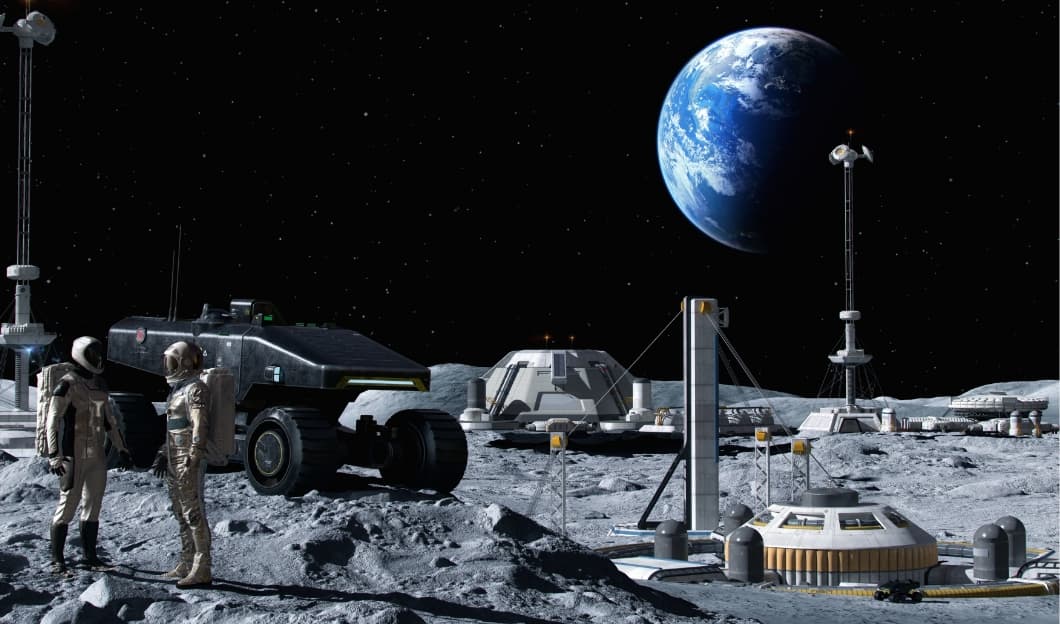
Today, space studies are transitioning into a much deeper level, where humans aim to harness outer space resources. Following decades of observations of the Moon and planets including Mars, as well as numerous lunar and Mars missions, we are now entering a new space age—where humans seek to establish a sustainable presence on the Moon and Mars.
The space industry is rapidly evolving. Meanwhile, the world needs more capable people. To take on the challenge of space frontier exploration, we must take a multi-disciplinary approach.
We focus on the following three fields:
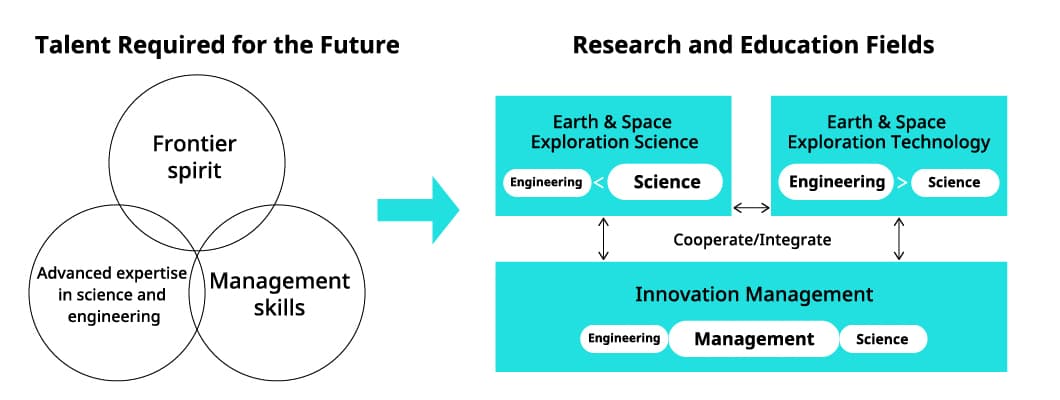
Science to deepen our understanding of the planets, geology, and minerals; engineering to develop space probes and observation equipment; and management to drive forward international space projects.
The Graduate School of Frontier Exploration in Earth and Space is designed to cultivate highly competent people who can propel space studies as a practical project, with a cross-disciplinary approach bridging science, engineering, and management.
Discovering more about outer space offers us a new perspective from which to study Earth.
Delving into our own planet propels us even further toward space exploration.
By translating new insight into technological innovation, we are embarking on a new journey to extend the human frontiers.
NEWS
- 2026.09.18 Ritsumeikan Selected by MEXT for the Support Program for Strengthening the Functions of Universities and Colleges of Technology; Will Form a Hub for the Development of Advanced Professionals Spanning the Fields of Space, Earth, and Information
- 2026.09.16 Space Summer School 2026 Brings Together Around 100 University and Technical College Students from Across Japan at BKC
- 2026.08.28 Participated in Sakura Quest 2026, a Study-in-Japan Fair in India: Strong Interest in Science and Engineering Fields Confirmed!
- 2026.07.24 The Graduate School of Frontier Exploration in Earth and Space Introduced at SPACETIDE 2026
- 2026.7.21 Join for Exhibition in the 26th Space Science Symposium @ JAXA Sagamihara Campus in Kanagawa
MISSION
A New Graduate School Spanning Space and Earth
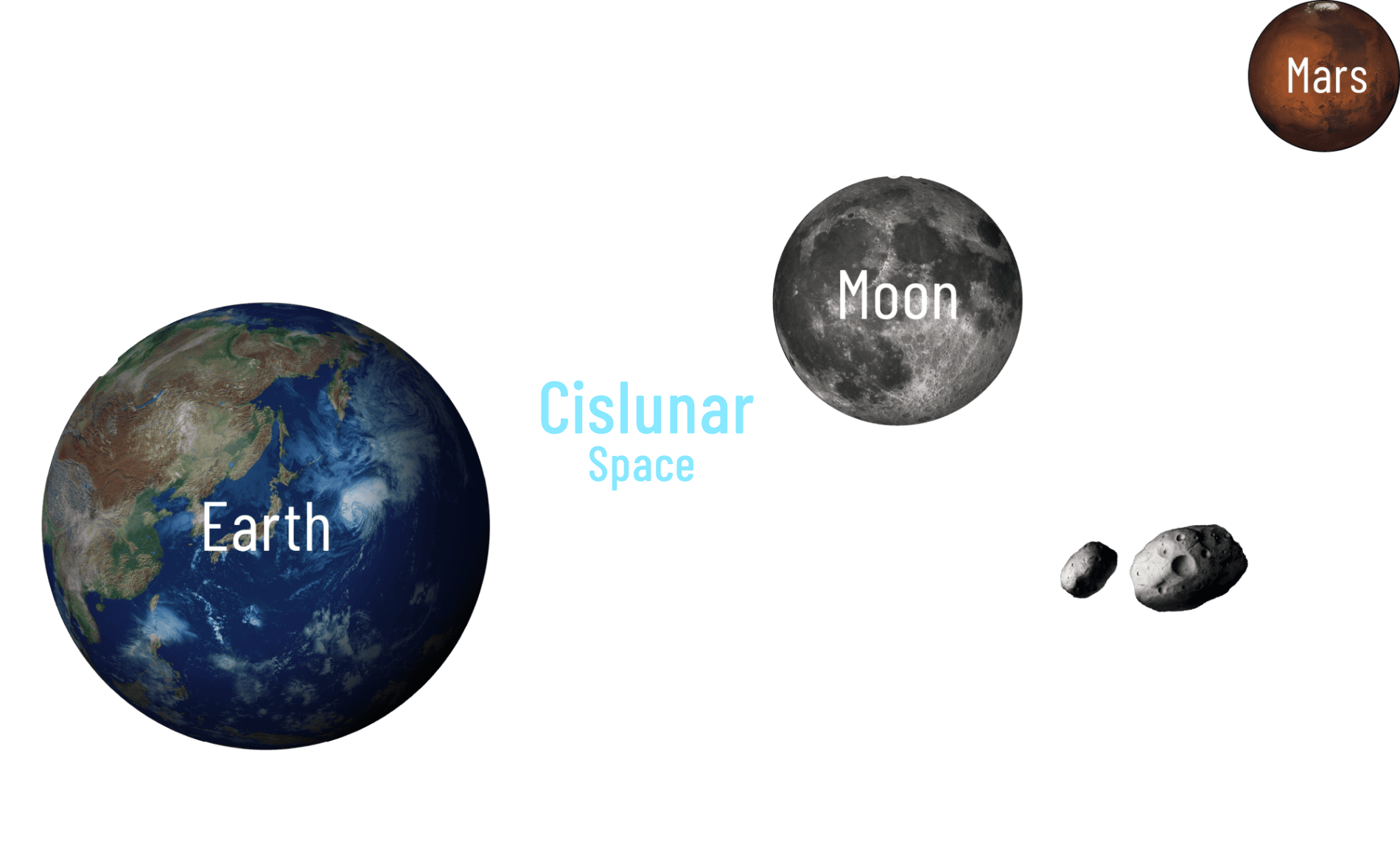
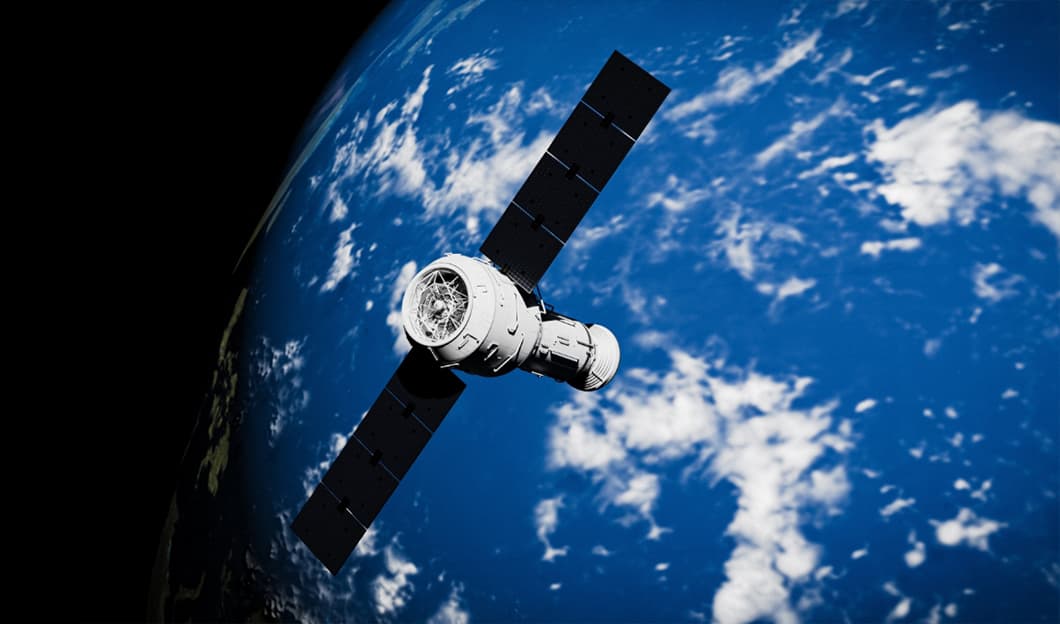
The Graduate School of Frontier Exploration in Earth and Space conducts research and education focused on the Moon, Mars, cislunar space, and Earth. In the space domain, key areas include space science, exploration, satellites, and space utilization, while on Earth the focus is on Earth sciences, the environment, extreme regions, and new resources and energy. Through interdisciplinary learning, we advance research and education covering mission planning, development of spacecraft and observation instruments, and data utilization, while contributing to solving social issues—such as environment, disaster prevention, resources, energy, and infrastructure—through the application of space technologies.
In collaboration with Ritsumeikan's Earth & Space Exploration Center (ESEC), we establish a practical research and education environment enabling activities from scientific analysis to equipment development and space-environment testing on campus. We also offer an international English-based learning environment and cultivate practical skills through project-based education and research.
As space development shifts from “discovery” to “utilization,” with growing private-sector participation and commercialization, graduates will work not only in established fields such as satellite development but also in emerging areas such as lunar resource utilization, rover development, and propellant.
FEATURES
Features of Learning
-
01
A Cross-disciplinary Graduate School Combining Science, Engineering, and Management
In addition to planetary and Earth sciences (science) and spacecraft development and space utilization (engineering), the program is designed to integrate project management and entrepreneurship, and it will also include courses on topics such as data science and space law. Rather than offering education based on highly specialized fields within the natural sciences and engineering, the graduate school will adopt a cross-disciplinary curriculum that spans science, engineering, and management.
-
02
A Broad Scope of Focal Fields (Moon / Mars / Cislunar Space / Earth)
As we transition from the current era of space exploration and research (Phase 1) to an era of space utilization (exploration and development of the Moon and Mars and data utilization—Phase 2), as exemplified by the Artemis program, the graduate school will take the lead in conducting education and research centered on Phase 2, with a long-term vision extending to the future Phase 3 (the establishment of human habitats in space). The scope of focal fields is broad, encompassing everything from Earth to Mars, and will cover a wide range of activities, from understanding scientific frontier environments (including lunar and Martian satellites and planetary environments) to developing engineering-based exploration and utilization equipment, and utilizing the interdisciplinary data obtained from these frontier environments.
Ritsumeikan's Definition of Space Exploration and Development Phases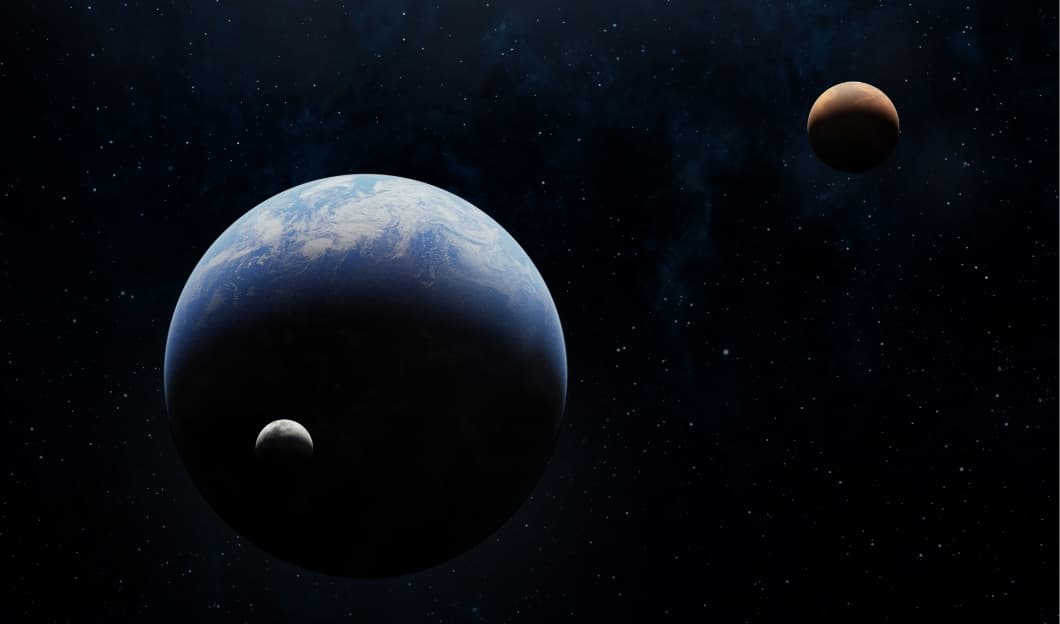
-
03
Close Collaboration with the Ritsumeikan University Earth & Space Exploration Center

The Graduate School of Frontier Exploration in Earth and Space will be established as an educational unit that forms an integral part of ESEC, and it will leverage ESEC’s cutting-edge research findings, facilities and equipment, and expertise in human resources development in its educational programs.
ESEC is working to advance space technology development with a particular focus on lunar and planetary exploration, under the government’s Space Strategy Fund, a national project supporting technological development in the space sector by companies and universities. In Phase 1, ESEC was selected for the “SX Research and Development Site” project (Principal Investigator: ESEC Director Saiki), and in Phase 2, two projects on the topic of “Elemental Technologies for Lunar Infrastructure Development” were also selected (Principal Investigator: Deputy Director Kobayashi; Co-Investigator: Associate Professor Nagaoka).ESEC also signed a cooperative agreement with the Japan Aerospace Exploration Agency (JAXA) on the development of a crewed pressurized lunar rover, and Toyota Motor Corporation is participating as one of JAXA’s partner companies in this project. We are collaborating with industry to conduct cutting-edge research aimed at the research and development of crewed pressurized rovers for NASA’s Artemis program as well as the study and promotion of lunar exploration.
Ritsumeikan University; Earth & Space Exploration Center (ESEC) -
04
One-Stop Experimental Environments Simulating the Moon and Mars
Ritsumeikan’s unique testing environment consists of a suite of devices and test fields designed to replicate the dusty environment found on the Moon and Mars, which is characterized by soil and sand known as regolith. These include a dust testing chamber, regolith analyzer, and lunar surface simulation field site. The “Next-Generation Planetary Development Lab” concept, which incorporates a space environment cleanroom, is rare in Japan outside of JAXA's Institute of Space and Astronautical Science, and it will serve to cultivate talent in a research environment tailored to space development.
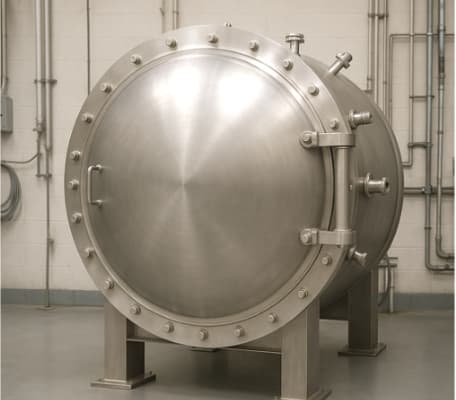
Conceptual image of a dust testing chamber 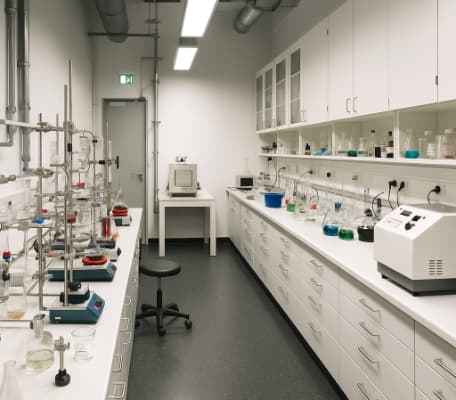
Conceptual image of a chemical analysis lab for regolith analysis 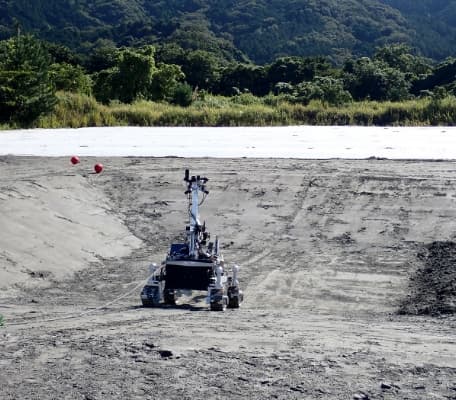
Lunar surface simulation field site (Nippon Yakin Kogyo Co., Ltd.)
The rover was developed as part of the Ministry of Land, Infrastructure, Transport and Tourism’s “Space Construction Innovation Project.”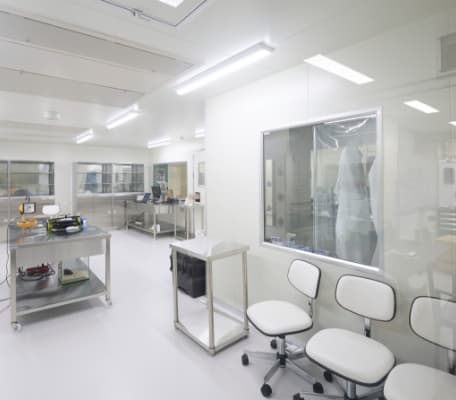
Conceptual image of a cleanroom -
05
Project-Based Learning (PBL)
The curriculum will be built around hands-on, project-based learning to develop practical implementation skills and the ability to integrate knowledge across disciplines.
With this approach, we aim to clearly differentiate this program from lecture-centered curricula.Specific Projects (Coming Soon)

-
06
Data-Driven Learning
In addition to hardware development, we also place emphasis on the utilization and monetization of satellite and exploration data. Through data analysis, modeling, and forecasting, our students will acquire the data-driven decision-making skills that will contribute to future mission planning and lead to the creation of new value.
-
07
A Learning Environment Designed for International Projects Involving International Students
With a policy of accepting international students to make up approximately half of the student body, we will build an educational and research framework based on multicultural collaboration. Through project activities, we will cultivate practical English skills and the ability to work effectively in global teams.

-
08
Business Creation that Anticipates Entrepreneurship and Commercialization
Entrepreneurship and intrapreneurship will be embedded in the curriculum, and pathways for commercialization originating within the university, such as the real-world application of research findings, will be presented.
Ritsumeikan Impact Makers Inter X Platform (RIMIX)
In addition, we will collaborate with the Ritsumeikan Office of Startup Promotion and the Ritsumeikan Social Impact Fund (RSIF).
While also promoting collaboration with companies and other partners, we aim to develop human resources who can hit the ground running in the industry.
-
09
Broad-based Practical Applications
Technologies developed through space activities will be spun off to contribute to solving issues on Earth in fields such as disaster prevention, resources, infrastructure, the environment, and energy. Rather than being limited to the space sector, we will open up potential career pathways to a wide range of industries.
FACULTY
Prospective Faculty
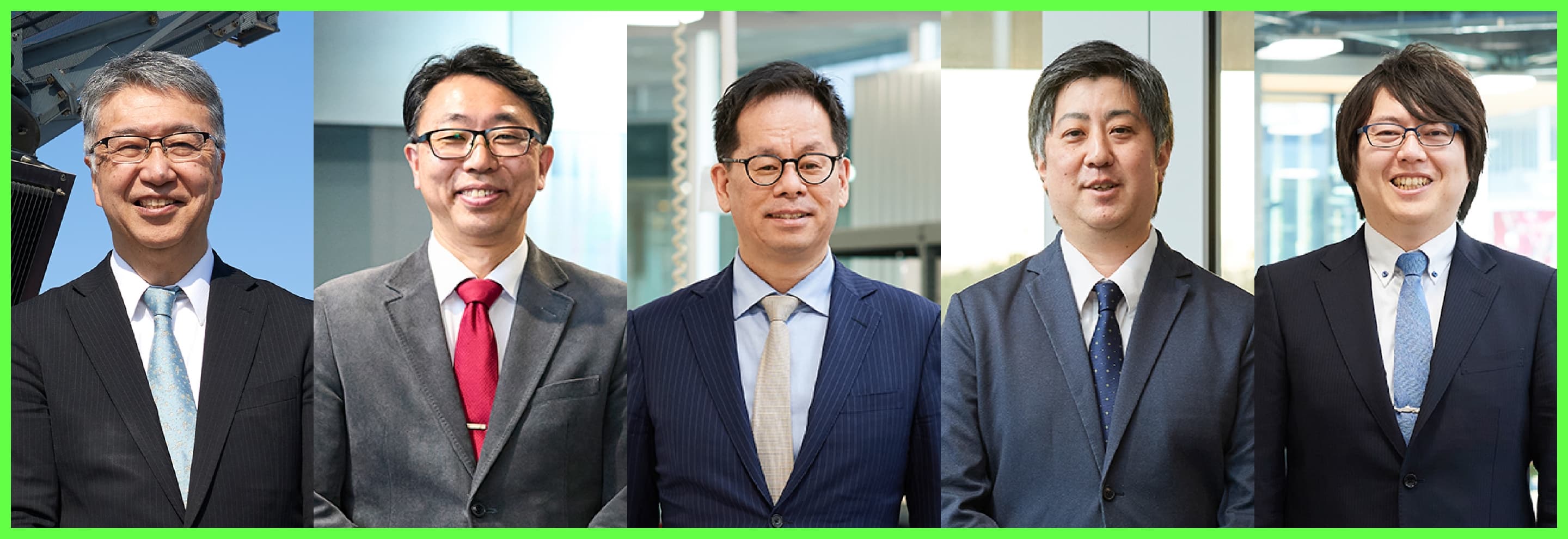
Faculty members who are leading international frontier exploration and development projects, as well those involved in the global field of microsatellites, are scheduled to join the Graduate School of Frontier Exploration in Earth and Space.

Shinichi NAKASUKA
April 2026~: Professor, Research Organization of Science and Technology, Ritsumeikan University; Special Aide to the President.
April 2028~: Scheduled to assume the position of Dean of the Graduate School of Frontier Exploration in Earth and Space
-

Kazuto SAIKI
Professor, Research Organization of Science and Technology, Ritsumeikan University
Director, Earth & Space Exploration Center (ESEC) -

Taizo KOBAYASHI
Professor, College of Science and Engineering, Ritsumeikan University
Deputy Director, Earth & Space Exploration Center (ESEC) -

Hiroshi NAGAOKA
Associate Professor, Research Organization of Science and Technology, Ritsumeikan University
Member, Earth & Space Exploration Center (ESEC) -

Yusuke NAKAUCHI
Associate Professor, Research Organization of Science and Technology, Ritsumeikan University
Member, Earth & Space Exploration Center (ESEC)
* The above reflects faculty members scheduled to join the graduate school as of the present time.
The Graduate School of Frontier Exploration in Earth and Space plans to have approximately 15 to 20 full-time faculty members, and this information will be updated as needed.
Roundtable
SPECIAL
Prospective faculty members active at the forefront of frontier exploration in Earth and space discuss the future of space development.
This dialogue that transcends disciplinary boundaries brings the vision of the graduate school into sharper focus.


CAREER
From Space to the Real World— A Broad Range of Career Possibilities
Learning about space does not mean you can only work in the space industry. By adopting perspectives that move between space and Earth and that span the fields of science, engineering, and management, the graduate school will cultivate the ability to succeed across fields and industries.
Potential Career Paths
-
Space
Spacecraft manufacturers, space startups, space transportation businesses, satellite manufacturers, space exploration companies, satellite data utilization services, and more
-
Energy and resources
Resource development companies, plant engineering companies, electricity and gas utilities, renewable energy businesses, and more
-
Construction and infrastructure
General contractors, specialized construction firms, civil engineering and infrastructure companies, construction consulting firms, and more
-
IT and telecommunications
System development companies, telecommunications providers, cloud service companies, and more
-
Trading and consulting
General trading companies, specialized trading firms, management consulting firms, finance and investment businesses, and more
-
Research and education
Universities, public research institutions, private think tanks, education and learning support services, and more
VOICE
Expectations for the Graduate School
-

Rise to the challenge! Don’t miss this golden opportunity to experience the maturation of lunar development in real time.
More -

Talent with a comprehensive and multifaceted understanding of the essence of the space business is highly attractive.
More -

Individual capability that combines multidisciplinary knowledge with management skills is truly the source of professional competence.
More -

We have high expectations for the graduate school as a partner in creating the space businesses of the future.
More -

We expect graduates with broad, deep, and practical education in the space field to take the lead on projects.
More -

With its emphasis on collaboration with industry, we expect the graduate school to produce talent equipped with research capabilities as well as the ability to apply knowledge and solve problems in the real world.
More -

There is a clear need for talent capable of building the foundation for the new challenge of establishing human habitats in space.
More -
We expect the graduate school to cultivate talent capable of viewing space and Earth as an integrated system and working across the entire spectrum from observation and analysis to practical applications.s
More -

Job-ready talent that understands both technology and business will serve as a driving force in the space industry.
More -
Talent with both comprehensive technical and scientific capabilities and strong human skills can contribute immediately to system development.
More -

We expect the interdisciplinary approach spanning science, engineering, and management to cultivate talent equipped with both expertise and flexibility.
More -

The very willingness to take on the many “uncharted” challenges in the space field is sought after across a wide range of industries.
More
-

“Cross-disciplinary, practice-oriented architect-type talent” is indispensable not only in space but also for creating new businesses.
More -

The skills developed in the Graduate School of Frontier Exploration in Earth and Space will be a strong asset across a wide range of roles in industry.
More -
There is value in the process of conducting research while being conscious of what impact you will have and how you can contribute to society.
More -

Talent exposed to ESEC projects and who learn alongside international students in a diverse environment are highly appealing.
More -

An environment where students can study science, engineering, and management in an integrated manner across the vast fields of space and Earth is invaluable.
More -
The ability to think across disciplines and connect work to real-world and societal contexts has great significance, regardless of one’s role in the space field.
More -
We expect the graduate school to develop into a comprehensive hub for talent development by leveraging the Kansai region’s strong networks among universities and industry.
More -

We have high expectations for talented individuals who possess an international perspective, skills, and networks and who have studied science, engineering, and business with a clear sense of purpose.
More
OVERVIEW
Outline
- Graduate School of Frontier Exploration in Earth and Space (tentative name; currently under development)
- Date of establishment: April 2028
- Enrollment capacity: Master's program: 100 students
Doctoral program: 15 - 20 students - Language of instruction: English-based (English/Japanese hybrid)
- Other features: International students are expected to account for approximately half of enrollment. Students will be able to earn their degrees entirely in English.
-
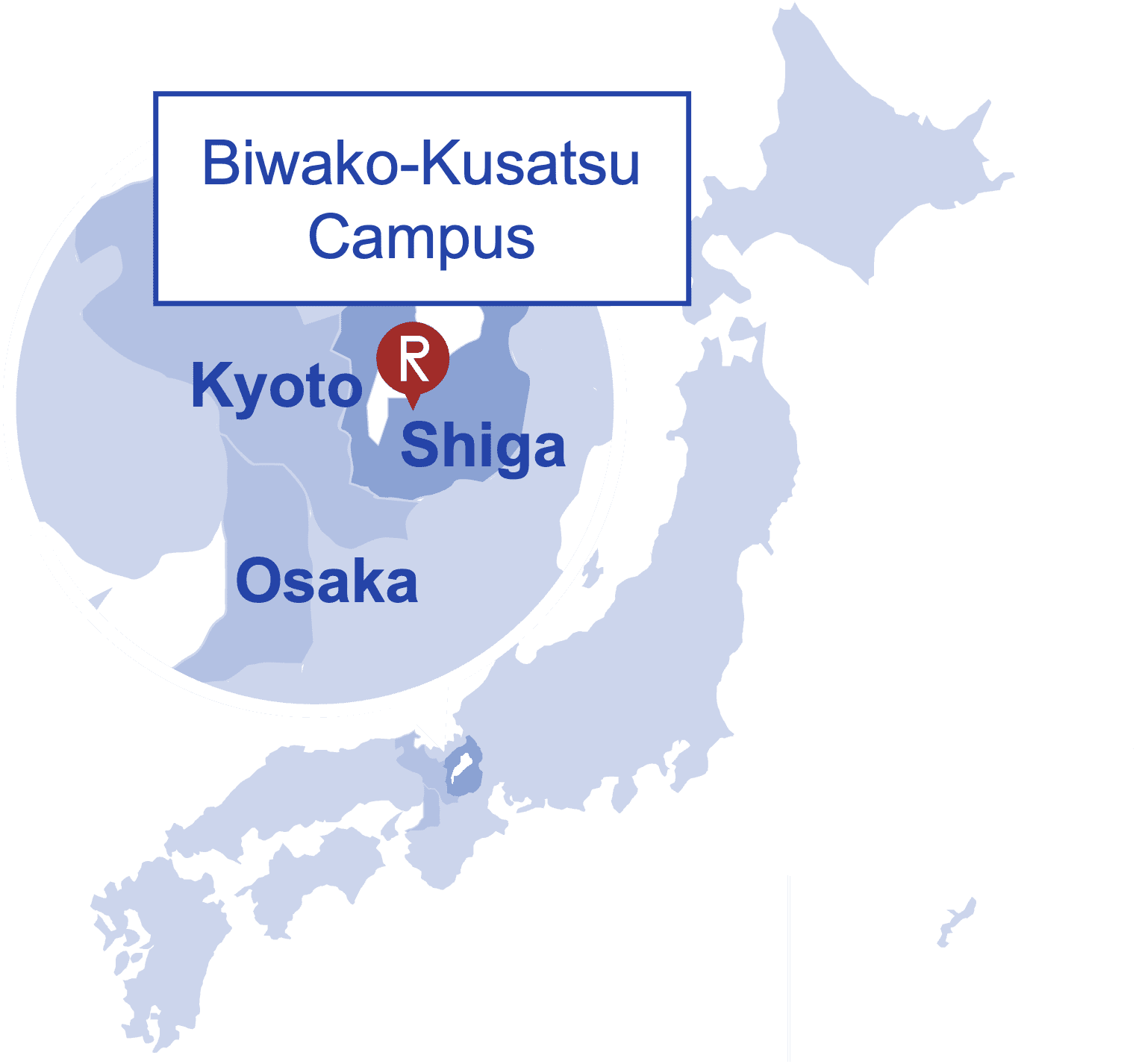
Location (Campus): Biwako-Kusatsu Campus (Kusatsu City, Shiga)
Approximately 20 minutes from Kyoto Station to “Minami-Kusatsu Station” on the JR Biwako Line, then 20 minutes on the Ohmi Railway Bus “bound for Ritsumeikan University”