


Roundtable
SPECIAL

“Expanding the Humanosphere,” “Bringing the World of Science Fiction into Reality,”
“The Moon as a New Site for Experimentation”
Prospective Faculty of the
Graduate Schoolof Frontier Exploration
in Earth and Space
Discuss the Appeal of Space Research

The faculty members scheduled to join the Graduate School of Frontier Exploration in Earth and Space
were once children fascinated by space and students who dreamed of contributing to humanity.
Now active on the front lines of space exploration and development,
five of these faculty members gathered to speak freely about their encounters with space,
the paths that led them to where they are today,
and the appeal of space research.
-
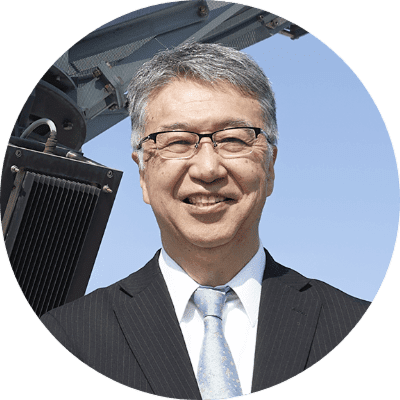
Shinichi NAKASUKA
April 2026~: Professor, Research Organization of Science and Technology, Ritsumeikan University; Special Aide to the President.
April 2028~: Scheduled to assume the position of Dean of the Graduate School of Frontier Exploration in Earth and Space -
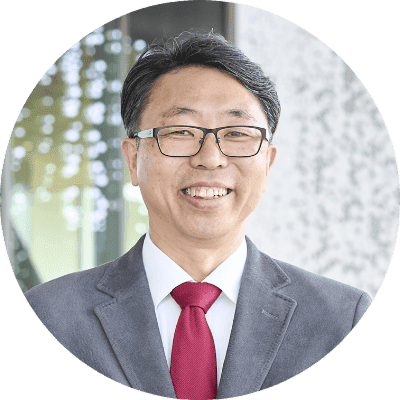
Kazuto SAIKI
Professor, Research Organization of Science and Engineering, Ritsumeikan University Director, Earth & Space Exploration Center (ESEC)
-
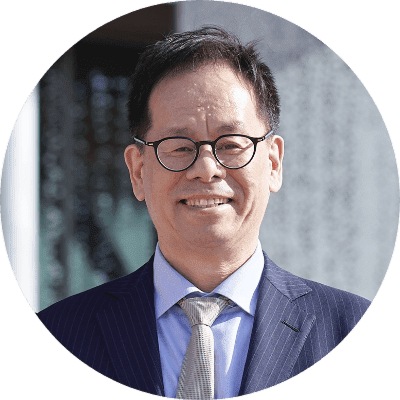
Taizo KOBAYASHI
Professor, College of Science and Engineering, Ritsumeikan University Deputy Director, Earth & Space Exploration Center (ESEC)
-
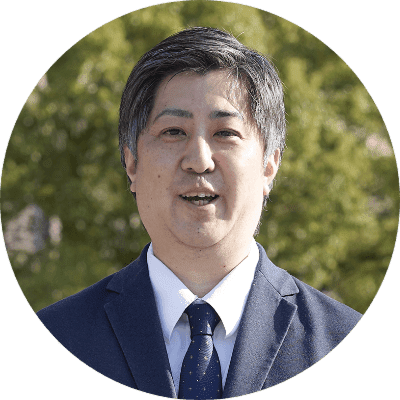
Hiroshi NAGAOKA
Associate Professor, Research Organization of Science and Engineering, Ritsumeikan University, Associate Professor, Research Organization of Science and Technology, Ritsumeikan University; Member, Earth & Space Exploration Center (ESEC)
-
Yusuke NAKAUCHI
Associate Professor, Research Organization of Science and Engineering, Ritsumeikan University, Research Organization of Science and Technology, Ritsumeikan University; Member, Earth & Space Exploration Center (ESEC)
Prospective Faculty of the Graduate School of Frontier Exploration in Earth and Space Discuss the Appeal of Space Research
CHAPTER
-
VIEW
#1
The instant I heard “the Eagle has landed,” I was completely captivated
-
VIEW
#2
Participating as a player in one of the greatest events in the evolutionary history of life: Humanity leaving Earth for outer space
-
VIEW
#3
We want students who want to broaden the scope of their learning and who want to tackle challenges with their own hands
#1 FRONTIER
View #1: The instant I heard “The Eagle has landed,”
I was completely captivated
Theme
What first sparked your interest in space,
and what path led you from there to where you are today?
-
NAKASUKA -
The Apollo 11 Moon landing took place in 1969, when I was eight years old. On July 20, which was the morning of July 21 in Japan, I watched the landing live on television with my father. As the lunar surface gradually came closer and closer, the spacecraft finally fired its retro-rockets, smoke billowed upward, and the image on the screen shook violently. That was the moment of the landing. The instant I heard the words “The Eagle has landed” over the NASA communications line, I was completely captivated. Later, when I learned that the astronauts would only survive reentry into Earth’s atmosphere if they entered at an extremely narrow angle, I remember being so frightened that I could not sleep.
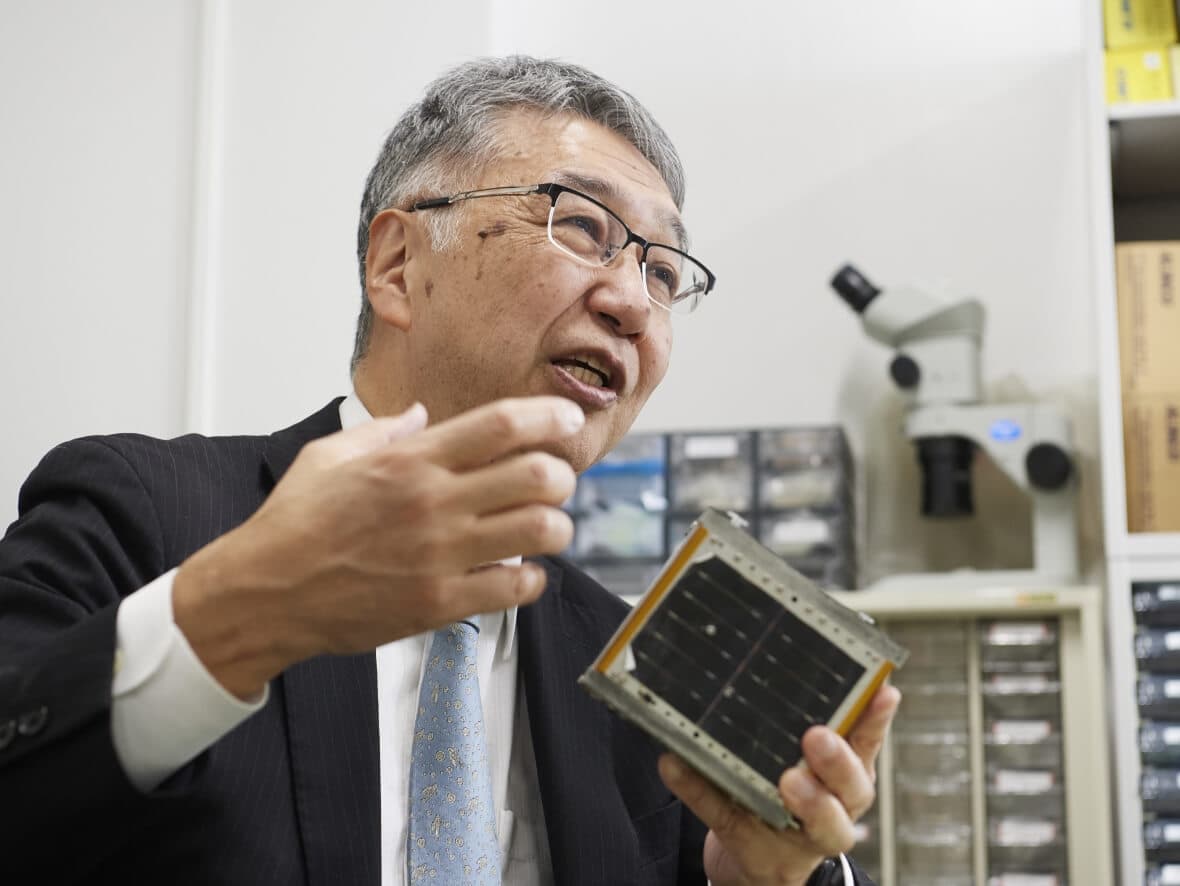
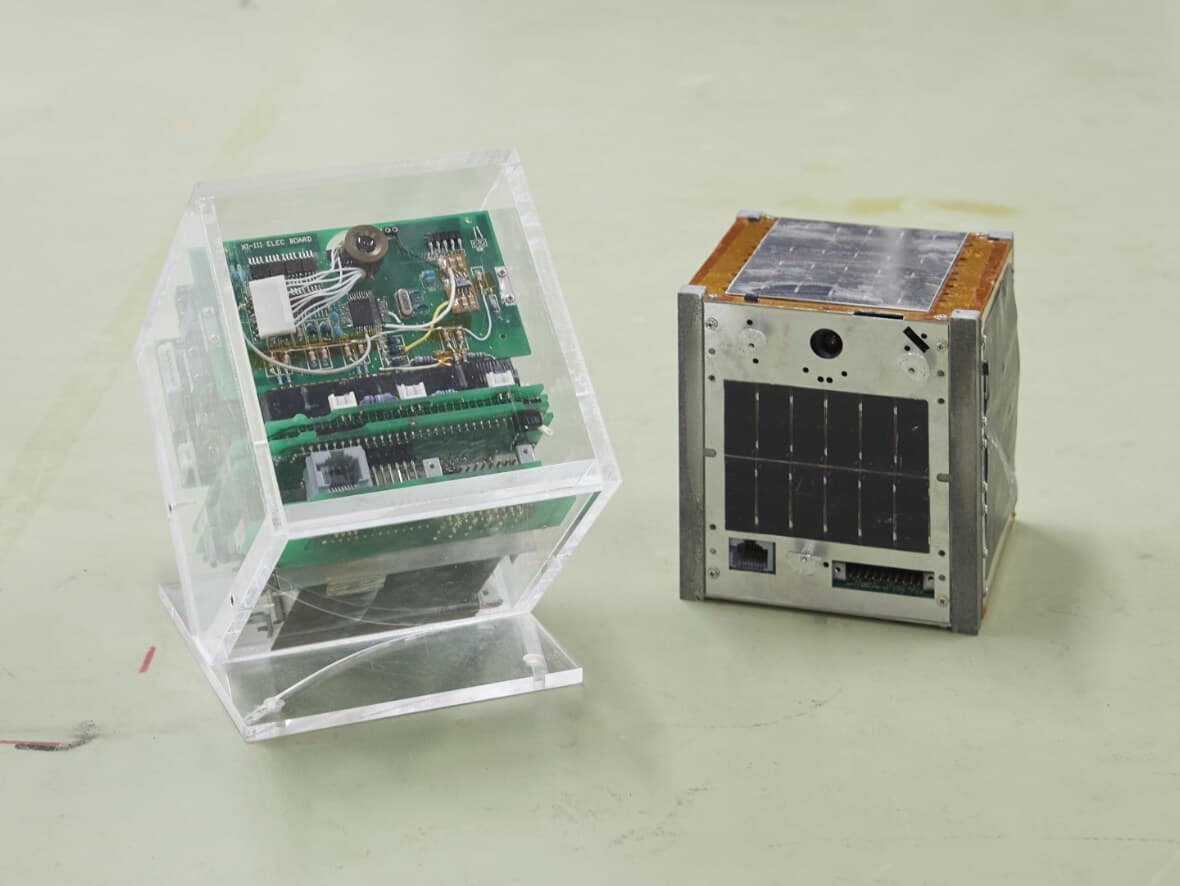
The year I entered university coincided with Voyager’s closest approach to Jupiter, which deepened my fascination with space even further, and that led me to begin space-related research in the Department of Aeronautics and Astronautics. But to be honest, space research at that time was not especially exciting. Even when I approached space companies such as NAS with proposals to mount AI systems on satellites, I was turned away because the technology was considered too risky and unproven. Then one day, I saw a tiny laboratory at Stanford University building small satellites. That experience shattered my assumption that satellites could only be developed at major facilities like JAXA, so in 1999, we began developing microsatellites in my laboratory. In 2003, we successfully launched the world’s first 1-kg satellite. I take pride in having laid the groundwork for microsatellites that are accessible to everyone and ready to be deployed in the space business.
-
SAIKI -
As someone born in 1967, my experience was exactly the same: Apollo 11. At the time, children’s magazines and manga covered the Apollo Program in great detail, and I genuinely believed that by the time I became an adult, there would be bases on the Moon and people would be traveling to Jupiter and Saturn.
My childhood hero was Spock from the science-fiction television series Star Trek. I strongly admired the way he traveled aboard a starship to various planets and solved the problems he encountered in each place, and that became a core part of my identity. At the same time, popular works such as The Prophecies of Nostradamus and Japan Sinks, both of which portrayed the destruction of the world, connected in my mind with science, and I began wanting to become someone who could help humanity in times of disaster or crisis.
Later, as exploration projects involving unmanned probes such as Voyager advanced, I became captivated by the first-ever images of Jupiter and Saturn. Around that time, I became conscious of planetary science and entered university intending to study astronomy. However, I soon discovered that planetary exploration was not only the work of astronomers, but also of geologists and mineralogists. My university had an environment for studying the large quantities of meteorites brought back by the Japanese Antarctic Research Expedition, and the eruption of Mount Mihara on Izu Oshima further sparked my interest in earth sciences, so I began researching meteorites and magma. Through those connections, I joined the team for the asteroid explorer Hayabusa. However, before launch it became clear that the target asteroid was too cold for magma generation, so I moved to the team for the newly established lunar explorer Kaguya instead. Since then, I have remained involved in lunar exploration while researching magma and volcanic activity both on Earth and in outer space.
-
KOBAYASHI -
My specialty is civil engineering, particularly geotechnical engineering, which is a field focused on soil. Originally, I chose civil engineering at university because of an interest in international cooperation, so I had no particular interest in space. When I entered graduate school, however, the professor in my laboratory specialized in a field called terramechanics. This is a research field that deals with interactions between machinery and soil, such as ground subsidence caused by construction or agricultural machinery moving across terrain, or topographical changes caused by excavation. At first, I was researching a different topic altogether. Then one day, someone from a major construction company developing concepts for lunar base construction visited our laboratory. They wanted advice regarding the mechanical properties of lunar regolith—the soil-like material covering the Moon’s surface—saying that without understanding it, they could not design machinery capable of excavating the lunar ground. The moment I heard that, something clicked. I had never considered space research before, but instinctively I felt it sounded fascinating, so I decided to dive in. That was more than 25 years ago, and I have been researching regolith ever since.
-
NAGAOKA -
I love Doraemon. In the Doraemon movies, Doraemon and Nobita travel to all kinds of places— the ocean floor, the distant past, even outer space. But my favorite story is the one in which Nobita creates the Earth by himself. He mixes together various elements and ultimately creates a planet, and when I saw that as a child, I became intensely curious about how the Earth had actually formed. I think I continued carrying that fascination quietly inside me for many years.
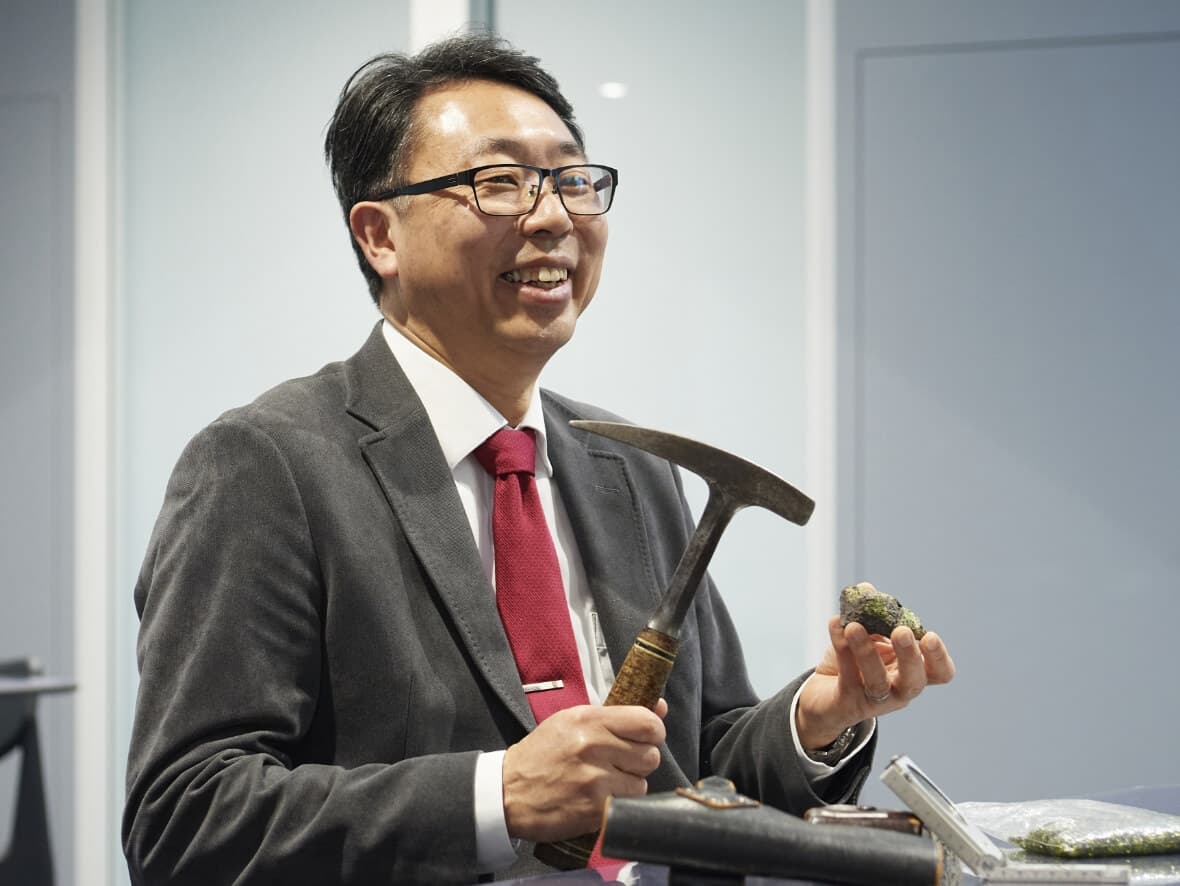
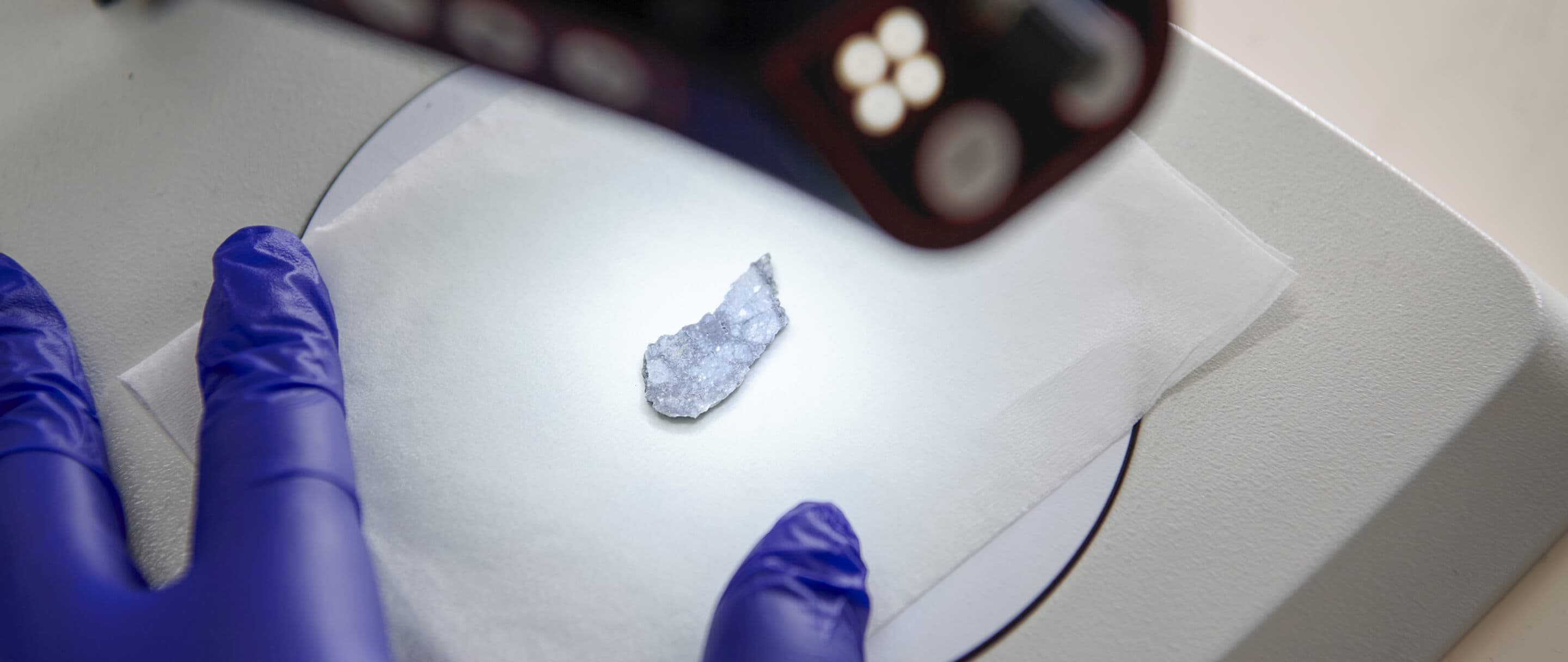
I spent my childhood in the countryside of Ehime Prefecture, surrounded by mountains. There were many ancient geological strata dating back some 20 million years to the Cenozoic era, and I often dug up fossils for fun, so I became very fond of rocks. The ultimate goal of my research is to analyze samples collected from specific locations on the Moon—that is, the places I personally would want to have sampled—and clarify how the Moon formed, and ultimately why the Earth came into existence. The realization that studying rocks could reveal how Earth and other celestial bodies were formed struck me as incredibly fascinating when I was young, and that sense of wonder continues to shape who I am today.
-
NAKAUCHI -
When I was in junior high school, Dr. Masatoshi Koshiba received the Nobel Prize in Physics for his neutrino research. Because the experiments had been conducted at a facility called Kamiokande in my home prefecture of Gifu, many educational events were held there at the time, giving local science-oriented junior high and high school students opportunities to attend lectures by Dr. Koshiba and other world-leading researchers. The programs were cutting-edge. We launched model rockets using gun powder-powered engines and learned about optical communications, among other things. I had originally been interested in robotics, but experiences like these made me begin to think that space was also appealing.
When I was in high school, the astronaut selection process that eventually certified astronauts such as Kimiya Yui was held for the first time in a decade. During that formative stage of my life when I very conscious of my future career path, I encountered many opportunities to think seriously about space, and I developed a very clear image of wanting to become an astronaut and go to the Moon. Looking back, the moment I firmly set the direction of my future may have been when I was interviewed by a newspaper during my third year of high school and declared, “I want to work in space development in the future.”
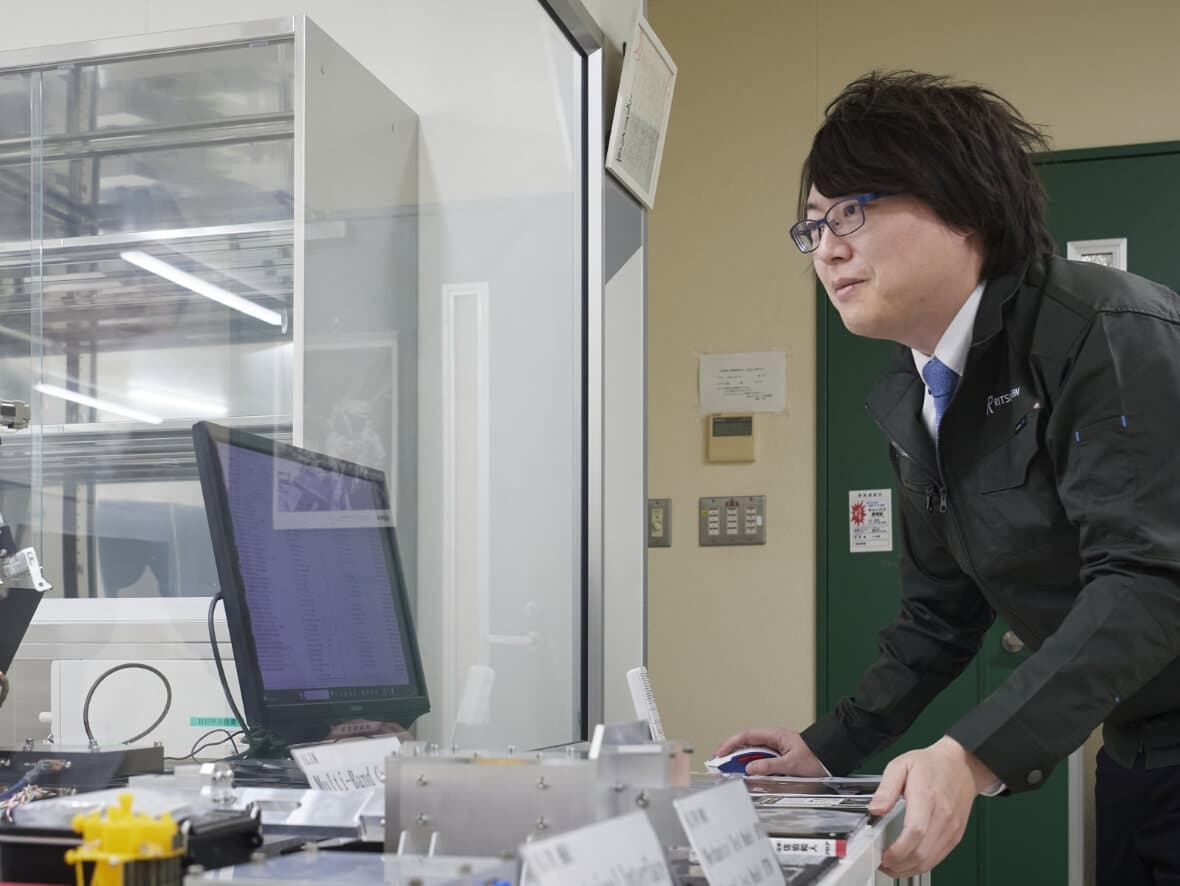
At university, I majored in physics with the intention of studying astronomy. Later, I was deeply moved when the asteroid explorer Hayabusa successfully returned a capsule containing surface material from Itokawa to Earth. That experience inspired me to join a graduate school where I could become involved in the Hayabusa 2 mission, and I even participated in the actual mission. Through those connections, I also joined the Smart Lander for Investigating Moon (SLIM) mission. SLIM was equipped with the Multi-Band Camera (MBC) that I developed and landed on the lunar surface in 2024. For me, sending a camera I developed to the Moon feels almost like sending my own eyes there. Even now, I approach development work with the feeling that I am sending a part of myself into space.
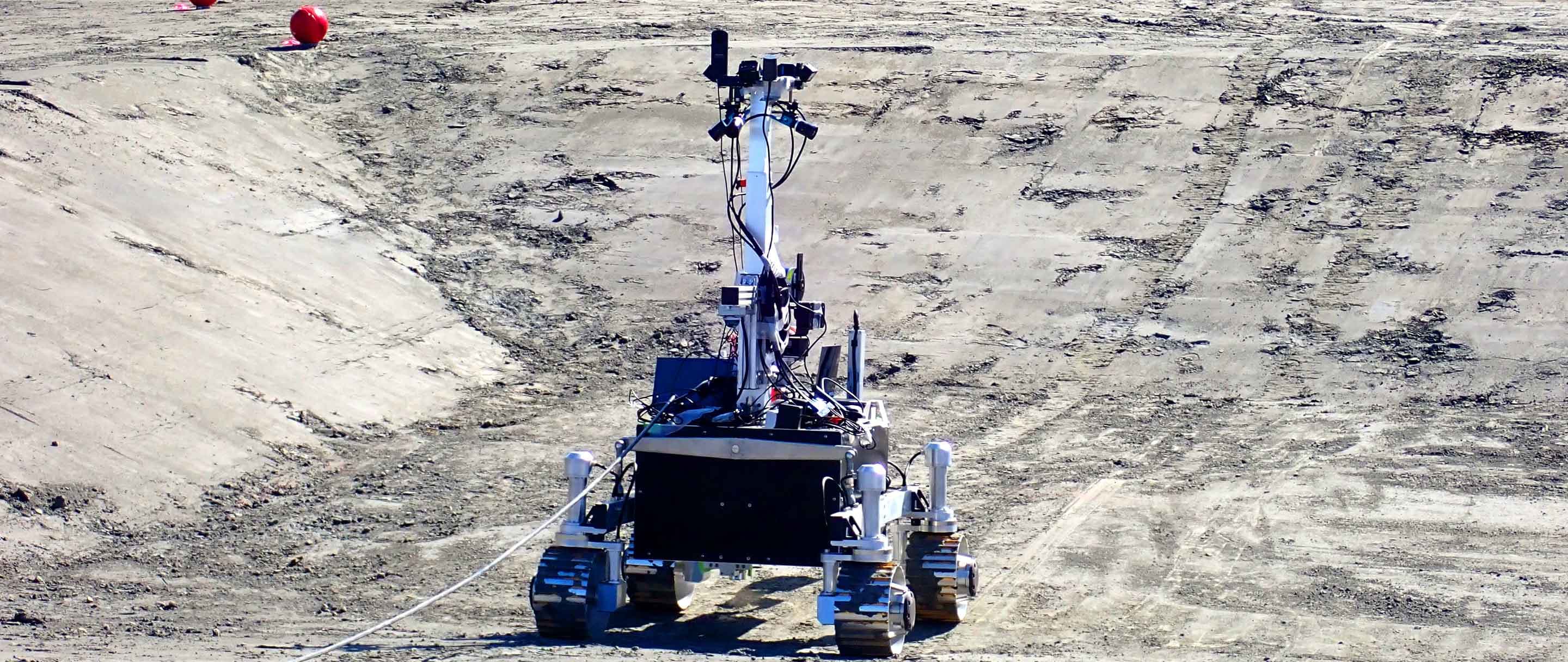
*Lunar surface simulation field (Nippon Yakin Kogyo Co., Ltd)
* The rover was developed as part of the Ministry of Land, Infrastructure, Transport and Tourism’s “Space Construction Innovation Project.”
#2 FRONTIER
Participating as a player in one of the greatest events in the evolutionary history of life: Humanity leaving Earth for outer space
Theme
What kinds of possibilities and excitement do you see in research related to space?
-
SAIKI -
I think humanity venturing out from Earth into space may represent one of the greatest events in the evolutionary history of life, much like the moment when living creatures first emerged from the sea onto land. The idea that humanity’s collective intelligence is now making this event possible, and that I myself can participate as one of the players involved, gives me an exhilarating sense of excitement.
For researchers in the natural sciences, perhaps the greatest value lies in creating a paradigm shift comparable to the transition from the geocentric to the heliocentric model. For example, during the Industrial Revolution, canals were excavated one after another, and as a result, geological strata from different places could be compared, which led to the birth of geology as a scientific field. Humanity came to understand that life had existed long before humans themselves, overturning the Christian worldview of creation and giving rise to evolutionary theory. In other words, developing the underground frontier fundamentally transformed humanity’s worldview.
I expect space development to have a similarly transformative impact. Once humanity begins developing and inhabiting space, I believe we may witness dramatic changes in worldview and values that overturn many of our current assumptions.
-
NAKAUCHI -
Lunar exploration is now entering the phase of actually “landing on the Moon.” Things once depicted only in science fiction are becoming reality, and being around for this moment is tremendously exciting. This kind of phase transition will likely occur many more times in the future. And it is we, the people working in space development, who will make those transitions happen. The ability to expand humanity’s sphere of activity and change the world is one of the greatest attractions of this field.
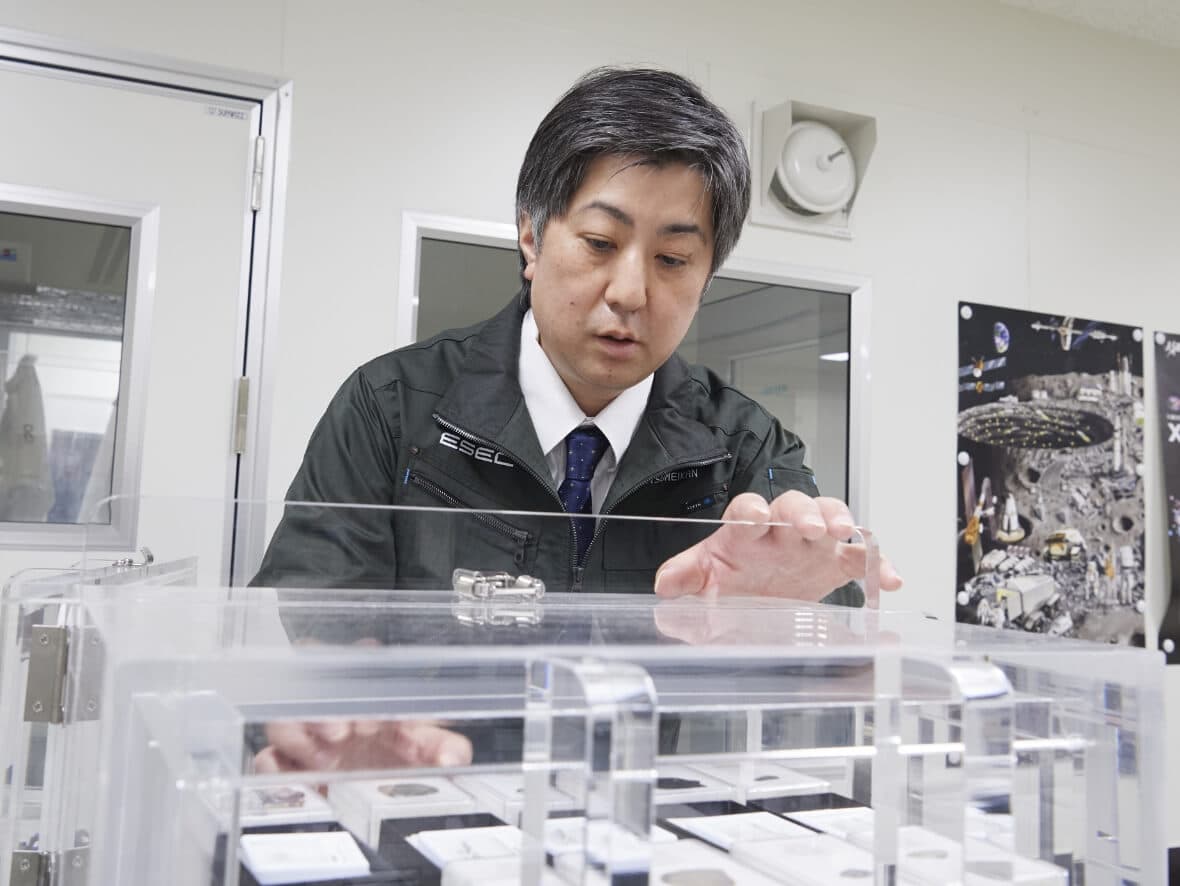
At the same time, because we are now truly capable of reaching the Moon, there is also renewed interest in reexamining past data. Old datasets may reveal entirely new discoveries when viewed from a modern perspective. Continuing to move forward is important, but so too is absorbing the achievements left behind by earlier generations and connecting them to future endeavors. I think the ability to conduct research in this way is also what makes this field interesting.
-
NAGAOKA -
If humanity becomes capable of utilizing the Moon on a somewhat continuous basis in the future, I believe the frontiers of science will expand dramatically, giving rise to one new field of lunar-based science after another. For example, in fields such as particle physics and astronomy, conducting observations and measurements in space can sometimes yield far greater precision than observations carried out on Earth. For this research, the Moon could become an entirely new site for experimentation. I think what makes future space development so fascinating is the way lunar utilization will expand scientific frontiers while also driving the emergence of new technologies.
Until now, the Moon has primarily been studied by planetary scientists. Going forward, however, physicists, particle physicists, and even researchers in fields like biology and medicine may begin using the Moon as a base for expanding the frontiers of science. I find that incredibly intriguing. Thinking about how the lunar research we have pursued up to now may contribute to a much broader range of scientific fields fills me with excitement.
-
KOBAYASHI -
What makes space research so fascinating, in my view, is that it allows us to contribute directly to expanding the range of human existence and activity. Civil engineering is, at its core, a discipline whose mission it is to develop social infrastructure and support people’s lives. The foundation of the field has always been the desire to work for society and to work for people. Every day, we use roads, railways, rivers, and water and sewage systems without much thought, and we avail ourselves of urban development initiatives and disaster prevention measures. In this way, civil engineers support our lives across many different aspects of society. The real sense that we are supporting society itself is what makes this work so rewarding.
That role will remain the same in space. If humanity one day begins living on the Moon or Mars, the first thing that we will likely need to do is develop basic social infrastructure. Beyond my area of expertise lies the work of opening up an entirely new range of human existence, and this fills me with tremendous hope and excitement. For the sake of the next generation, I want to help build new social infrastructure on the front lines of humanity’s future. For me, that is what makes the research both rewarding and fascinating.
-
NAKASUKA -
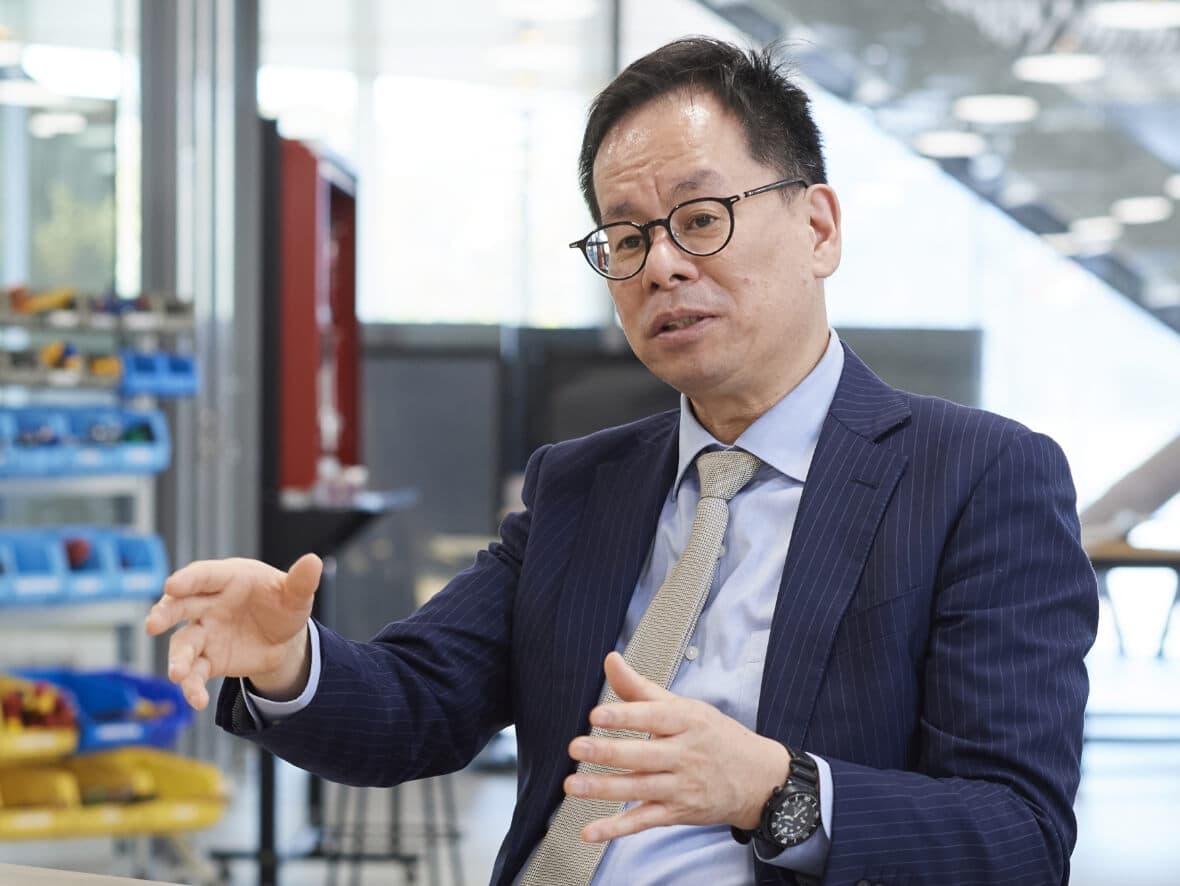
What makes satellite development so interesting is figuring out how to create systems that will continue functioning properly in outer space after they have completely left our hands. In space, if something goes wrong, you can never simply go and repair it. That is why we must imagine every possible scenario and design satellite systems capable of continuing their missions no matter what happens. That process itself is what makes satellite development so compelling; it is the true essence of the field. It is difficult, but it is fascinating precisely because it is difficult.
Right now, we are working on the development of formation flying technology, in which multiple microsatellites are deployed in space and cooperate with one another to conduct observations. A single satellite alone may not be capable of very much, but by deploying many satellites over a wide area and linking them together, limitless possibilities emerge. Things once believed possible only with large and expensive satellites can now potentially be achieved with a network of small, low-cost satellites working together. Demonstrating this through the pursuit of technology is an incredibly exciting challenge. I want to create entirely new concepts made possible precisely because these satellites are small and ultimately pursue research that can bring us closer to a Nobel Prize. That is my ambition.
#3 FRONTIER
We want students who want to broaden the scope of their learning and who want to tackle challenges with their own hands
Theme
What kinds of students do you want to join the Graduate School of Frontier Exploration in Earth and Space where you will be teaching?
How do you hope they will grow after enrollment?
-
KOBAYASHI -
The students I hope will join us are those who want to take on new challenges and create new value. In the construction industry, major general contractors do not necessarily own all the construction machinery themselves. Instead, they arrange the materials, equipment, and personnel to successfully manage large-scale projects. Grounded in technical expertise, they combine many different elements to complete difficult projects on schedule. In other words, they are project management professionals. Watching that process has made me realize that these kinds of management skills are equally valuable in the space field and in many other areas as well. At the same time, I often hear people say they want to tackle challenges for the next generation, but lack the human resources capable of doing so. What will be required going forward are people who are not confined by existing frameworks, but who can take on new fields and create new forms of value. I want to cultivate people who can play that kind of role not only in space, but across many different domains. That is why I hope students with the motivation to rise to the challenge will join us.
-
NAKASUKA -
I believe there are three essential qualities needed to succeed in the space field.
The first is systems integration. In space development, it is of course important to master individual scientific and technical disciplines, but beyond that, the ability to integrate those elements into a single system is indispensable. To go even further, I hope that those who want to become able to drive projects forward by integrating not just technology but also people will choose to enroll.
The second is a willingness to take on challenges. The space field is fundamentally about tackling things that “cannot be done yet.” I would like to see us welcome students who are willing to try things no one has ever accomplished before—things long considered impossible—and who can continue pushing forward without losing heart even after failure.
The third is endurance. Space projects take an enormous amount of time. Students need the perseverance to continue steadily through repeated experimentation and development work, even when things do not go smoothly.
-
NAGAOKA -
The two qualities I most hope students will develop through their research are humility and stubbornness. It is extremely important to sincerely listen to the opinions of others and approach your own field with humility. At the same time, I also think it is necessary to possess the stubbornness to firmly stand your ground on the points you truly believe cannot be compromised. In that sense, the ability to engage in meaningful discussion becomes very important. Discussions inevitably involve conflicting opinions, and at times they may feel troublesome. But whenever people are striving to create something better, these moments of disagreement are unavoidable. I think what matters is the ability to continue those discussions with perseverance, endurance, and deep thought. I hope the graduate school can cultivate people who possess both humility and stubbornness while continuing to engage in constructive discussions, and who can persistently confront the unknown issues that are sure to emerge in the future.
-
NAKAUCHI -
I also believe the ability to engage in serious discussion with others is extremely important. Students will need to thoroughly pursue the topics that strongly motivate them while simultaneously broadening their interests across many different fields and continuing to absorb new knowledge. Through discussion, they will refine and strengthen their own thinking. Like Dr. NAGAOKA, I believe humility is essential.
At the same time, however, it is also important to have the strength to continue believing in yourself. When you are tackling a new challenge, there will inevitably be moments when others tell you that you are not up to the task. But in the end, the person you must believe in most is yourself. I want to cultivate people who can continue pursuing what they truly want to do and what they themselves believe is important.
Because the Graduate School of Frontier Exploration in Earth and Space covers such a broad range of fields, some people may wonder what exactly you are studying here. Precisely for this reason, I would be happy if students who are curious about many things, who want to broaden the scope of their learning, and who want to tackle challenges with their own hands choose to join us.
-
SAIKI -
There is a recruitment advertisement that I have always loved. It was written by the British explorer Ernest Shackleton when he was recruiting members for his Antarctic expedition: “Men wanted for hazardous journey. Low wages, bitter cold, long hours of complete darkness. Constant danger. Safe return doubtful. Honour and recognition in event of success.” It dates back to the early twentieth century, and by today’s standards it may well be considered problematic. But what I want to say is this: many people enter this field because they love space, but no matter how much you love something, the world of research is filled with many obstacles, and there will certainly be difficult and painful moments. I want students to choose this path not simply because they “like” it, but because they believe it is meaningful enough to persevere through those hardships. Those are the kind of resilient people I am looking for, and I believe the sense of purpose they seek can absolutely be found in our graduate school. Even if they have not yet discovered that sense of purpose, I hope students with the determination to find it will choose to enroll.