Prospective Faculty
Unraveling Space Weathering Processes That Generate Water on the Moon
PROFILE
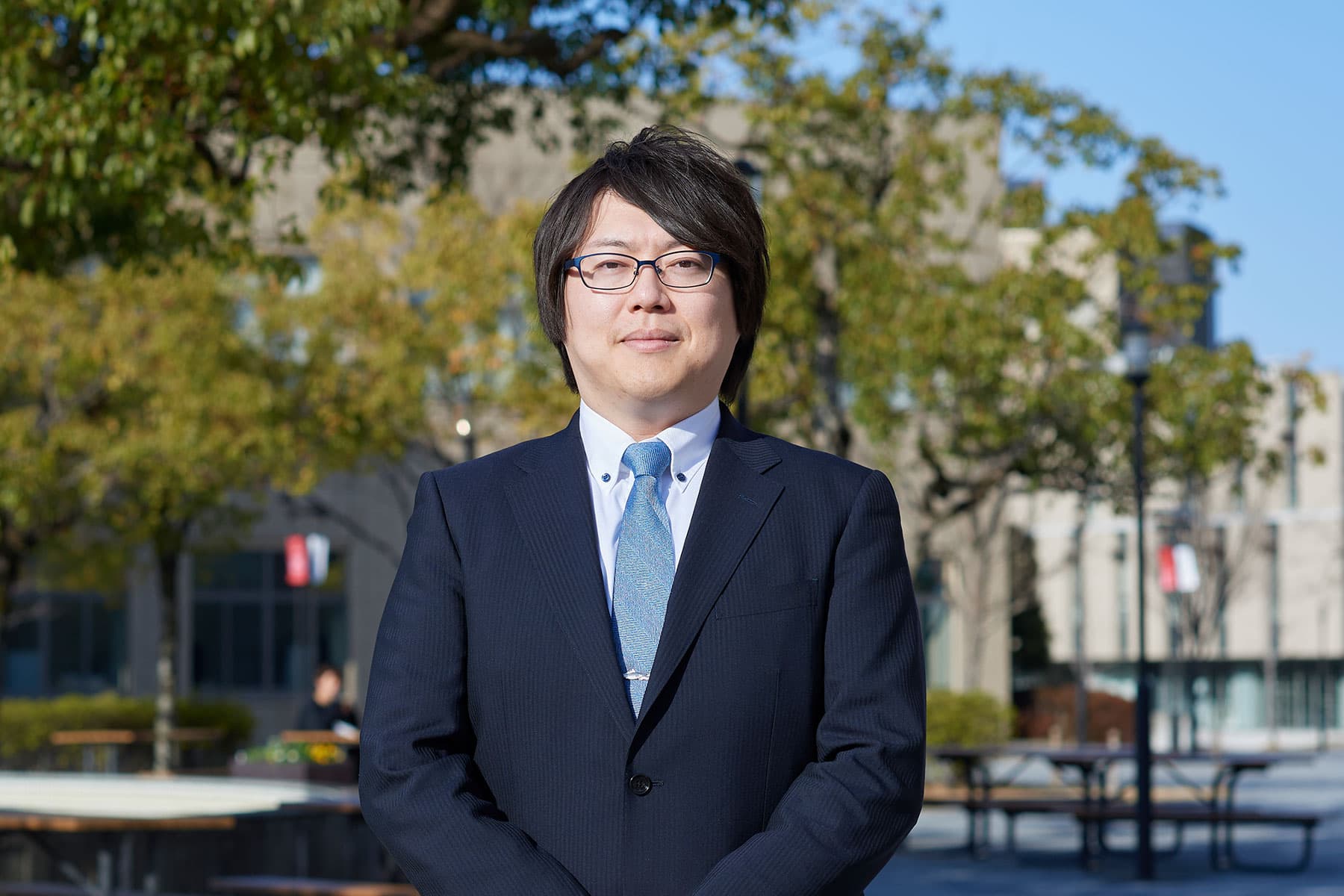
NAKAUCHI graduated from the Department of Physics, Faculty of Science and Technology, Tokyo University of Science in 2012 and completed the doctoral-level Space and Astronautical Science Program at the Graduate Institute for Advanced Studies, SOKENDAI in 2017. He holds a PhD in Science. After serving as a Visiting Researcher at The University of Aizu (2017~), a Research and Development Staff Member on the SLIM Project at JAXA (2018~), and a part-time lecturer at Nihon University and the University of Tokyo, he assumed his current position in 2023. His specialization is planetary exploration. He was involved in the development of visible and near-infrared spectrometers for the asteroid explorer Hayabusa 2 Project and the Smart Lander for Investigating Moon (SLIM) Project, and currently serves as Sub-Lead for visible and near-infrared spectrometer development for the LUPEX lunar polar exploration mission.
His hobbies include driving, fishing, and visiting cafés. Since the COVID-19 pandemic, he has been keeping lizards and geckos in a home terrarium.
INDEX
- Tell us about your research
- What can students learn in your laboratory, and what kinds of research topics can they pursue?
- How are research findings from the Earth & Space Exploration Center (ESEC) at Ritsumeikan University incorporated into learning and research activities in your laboratory?
- What kinds of careers can students who have studied in your lab expect to pursue after graduation?
- What kind of students would you like to join your laboratory?
- Message for prospective students
Tell us about your research
Many people are probably familiar with the asteroid explorer Hayabusa, which brought back surface material from the asteroid Itokawa. One of the discoveries confirmed through analysis of those materials was the phenomenon known as space weathering. Space weathering refers to the alteration and even discoloration of regolith, the sand-like material covering the surfaces of small celestial bodies and asteroids, caused by solar wind ions and meteorite impacts.
Today, it is considered almost certain that water exists on the Moon, and we now understand that some of this water is generated through space weathering processes. I became fascinated by the fact that space weathering not only alters the regolith of small celestial bodies, but is also actively producing water even now on the surfaces of airless bodies such as the Moon. That fascination led me into this field of research.
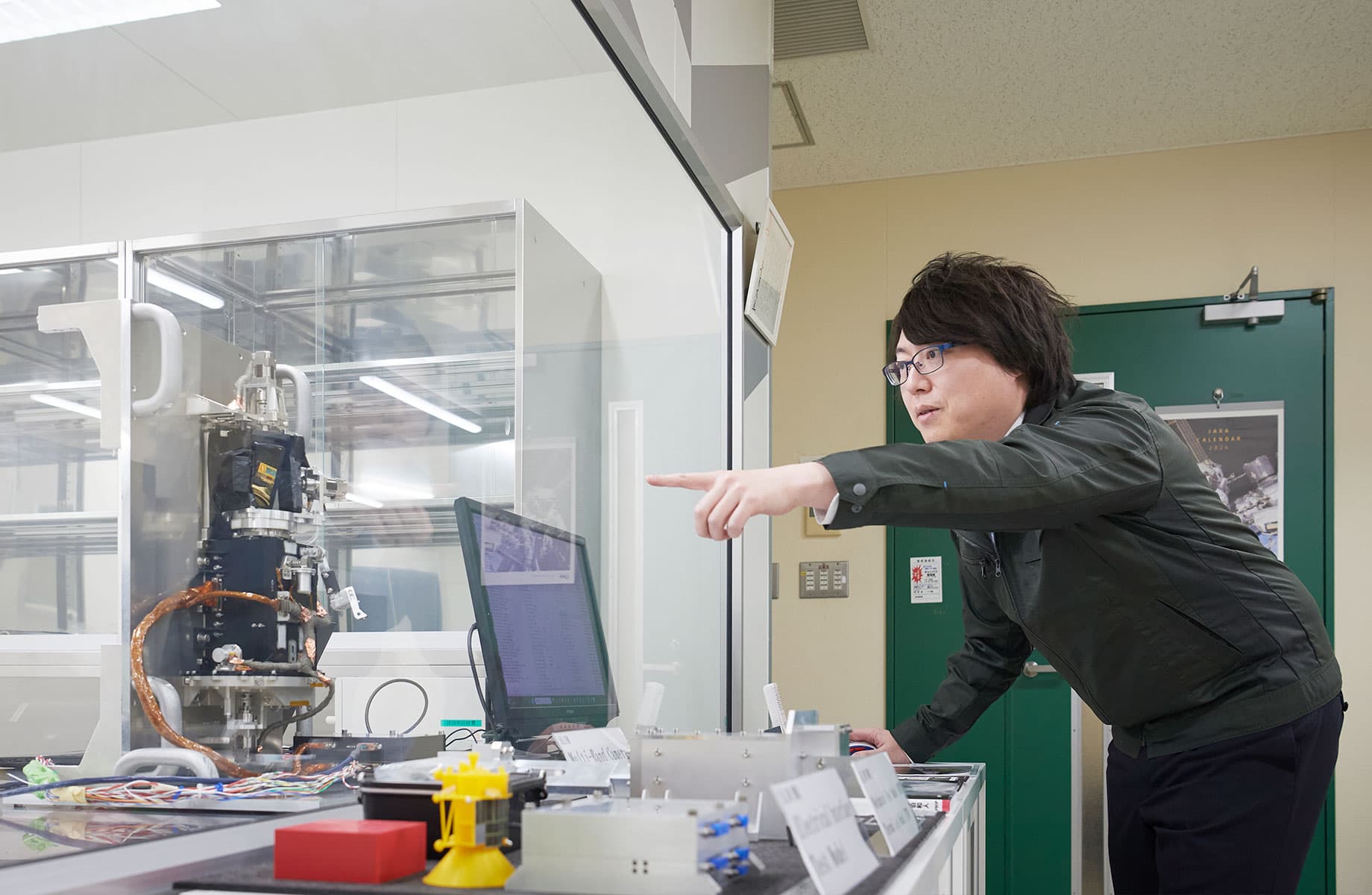
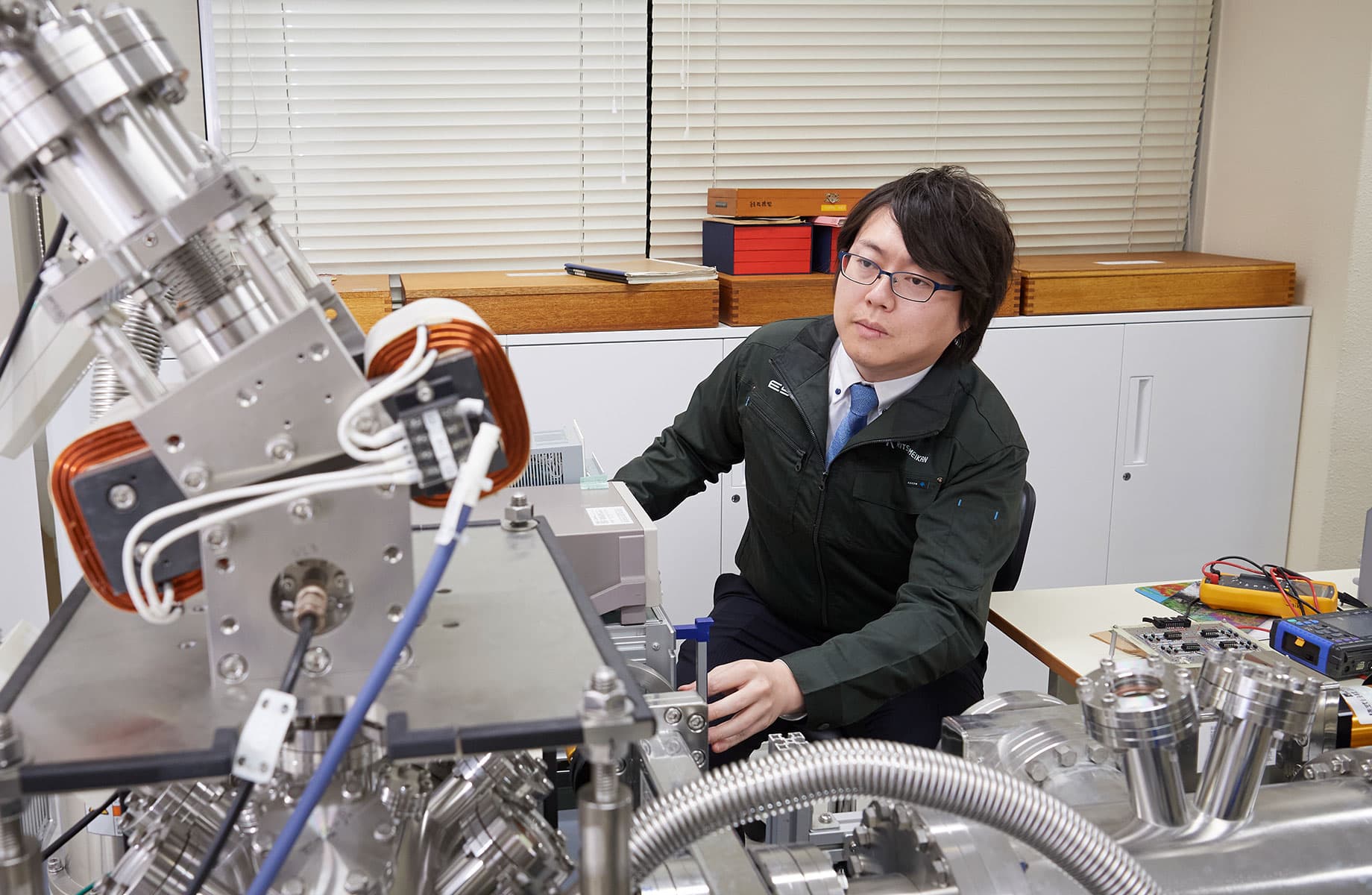
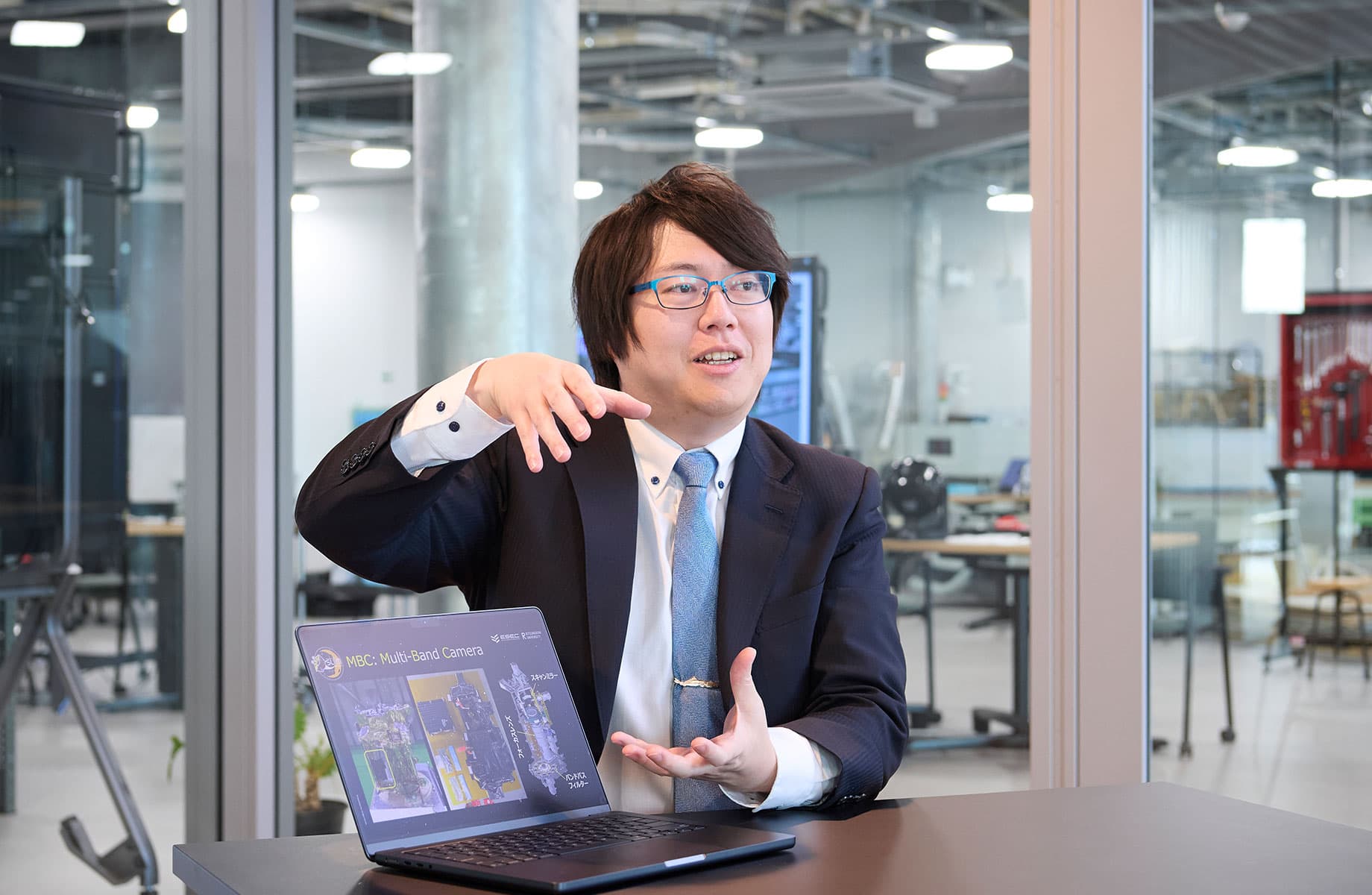
At the same time, I also became involved in the development of cameras used to investigate the surfaces of planets and the Moons, an area that had long interested me. Cameras that were developed for each mission’s objectives were installed aboard Hayabusa 2 and the Smart Lander for Investigating Moon (SLIM). In this way, my work encompasses both the investigation of asteroids and the Moon and the development of the tools required to explore them.
What can students learn in your laboratory, and what kinds of research topics can they pursue?
My research focuses on understanding space weathering processes and developing the instruments needed to investigate them.
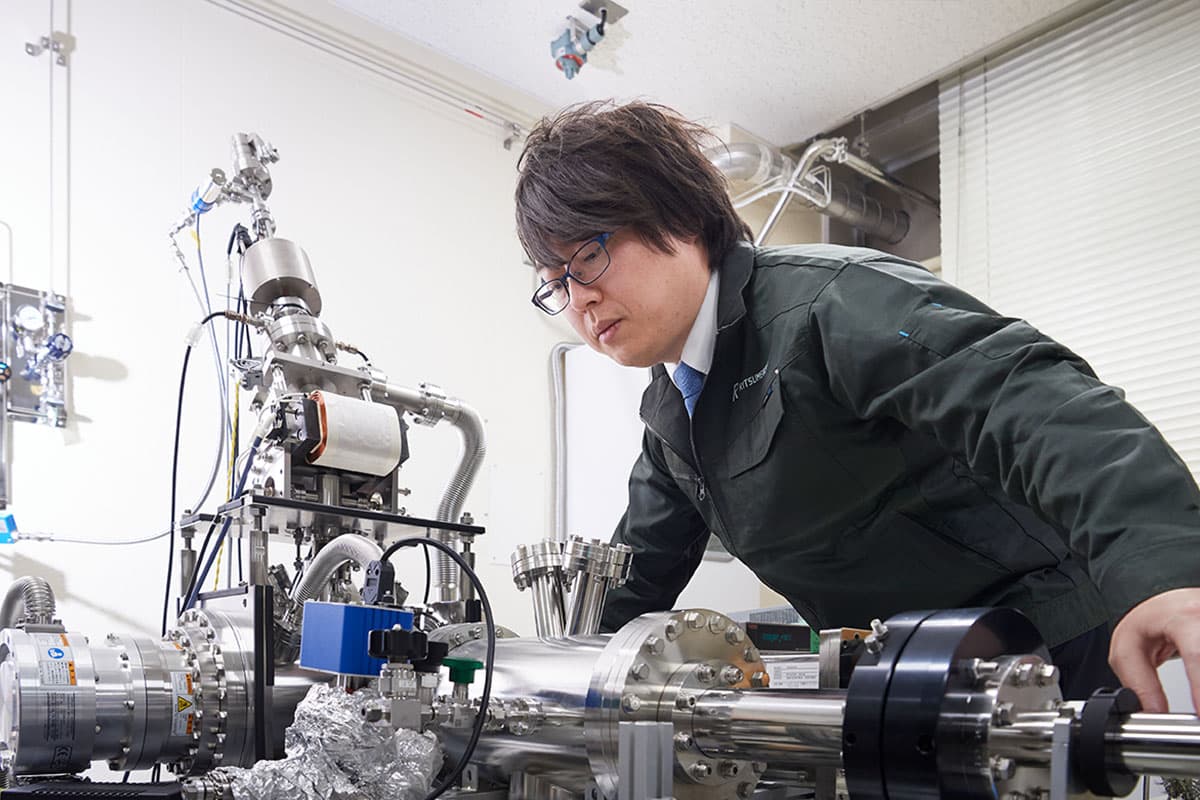
Collaboration with engineers is essential for the development of instruments. Now that humanity has entered an era of lunar landing missions, mobility systems for use after landing are beginning to be developed and implemented, making it possible to mount cameras capable of moving across certain ranges of terrain. However, we still need to develop cameras that can operate according to our own scientific objectives. At present, actual manufacturing is outsourced to private companies, but ideally I would like to establish a system in which prototyping can also be carried out within the laboratory. I would like to see students who are interested in both science and engineering and who are eager to engage in hands-on manufacturing and development thrive here.
How are research findings from the Earth & Space Exploration Center (ESEC) at Ritsumeikan University incorporated into learning and research activities in your laboratory?
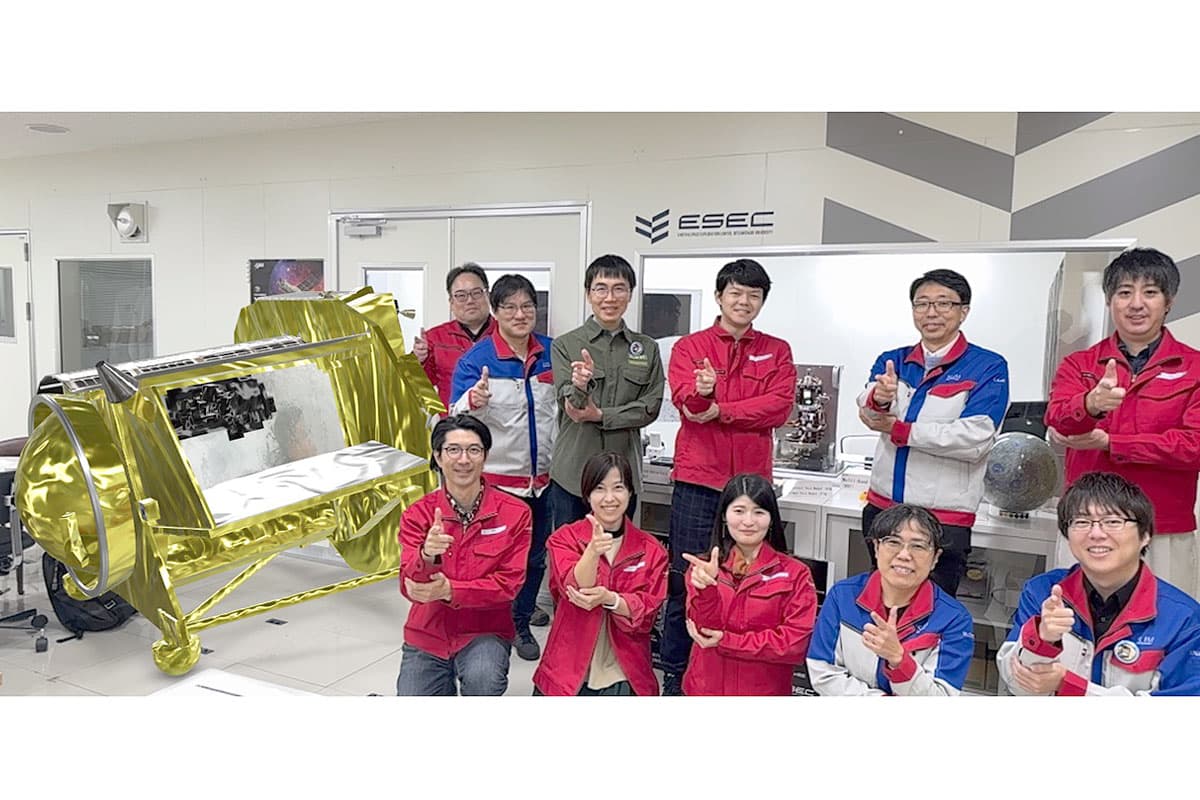
ESEC, which is actively pursuing lunar exploration and lunar development, is located right nearby, so our students will be able to conduct research while experiencing the atmosphere of real-world projects. I think this will be highly beneficial for our students. I personally benefited greatly during my graduate studies from being in an environment close to JAXA, and participating in the Hayabusa 2 mission was a transformative experience.
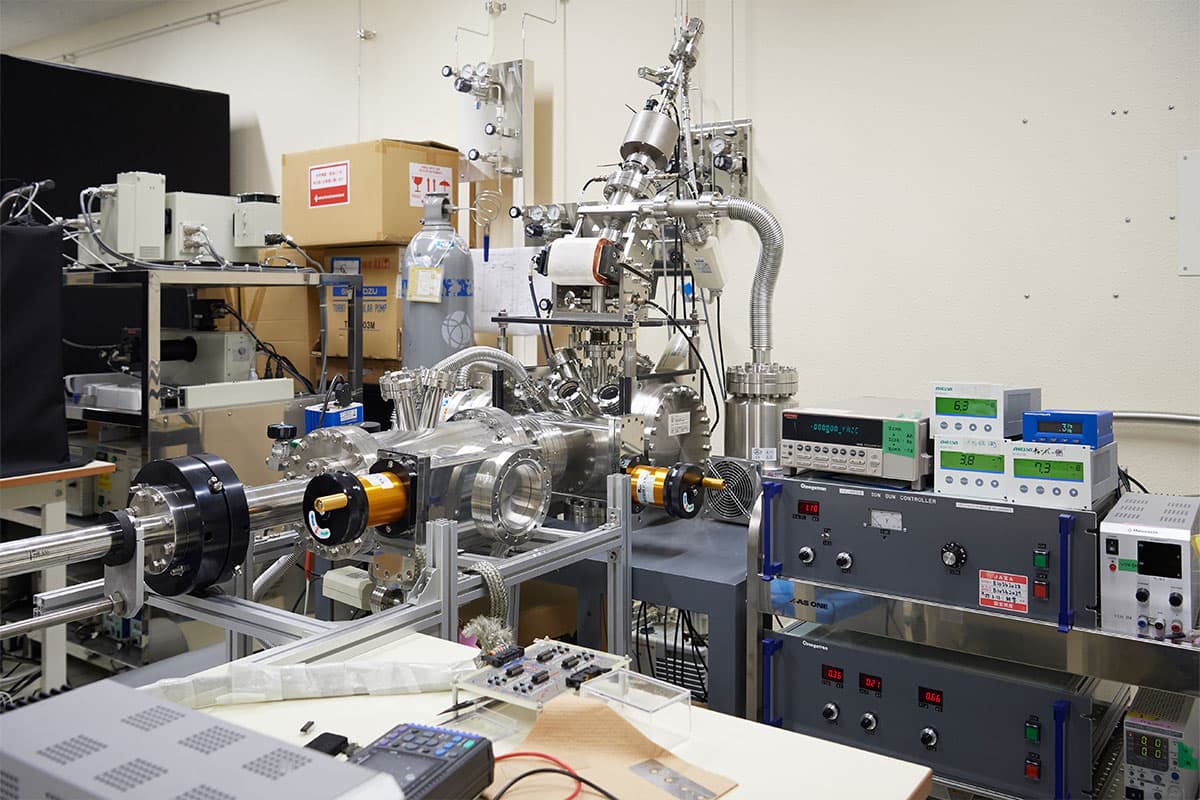
ESEC is currently working to further enhance its facilities and infrastructure. Plans are also underway to establish a “Next-Generation Planetary Development Lab” capable of conducting space environment testing to verify the functionality and performance of spacecraft. For example, when developing satellites, a wide variety of tests are required. These include radiation tolerance testing of components, thermal and vibration simulations during the design phase, electromagnetic emission testing after prototype fabrication, vibration and shock testing, vacuum and thermal testing, and performance evaluation testing. ESEC aims to establish a one-stop facility capable of performing all of these tests.
If students are able to participate in the operation of the “Next-Generation Planetary Development Lab,” it will undoubtedly provide them with an extraordinary learning opportunity. In the future, it would also be exciting to see graduates establish startups and take part in operating the kind of facilities themselves.
Outside of JAXA, there is currently no facility in Japan equipped with all of these capabilities. I believe that establishing a major hub for space exploration in the Kansai region would be highly significant for Japan’s space industry as a whole.
What kinds of careers can students who have studied in your lab expect to pursue after graduation?
I would be delighted if students joined us in developing spectroscopic cameras for space applications in academia, and I believe they could also go on to successful careers at organizations like JAXA.
I also hope graduates will thrive within manufacturing companies. When we pursue technological development, we frequently make requests to manufacturers, but because there are often no precedents, proposals are sometimes rejected as being “too risky.” If there were more people capable of changing that mindset from within companies, the possibilities for manufacturing and technological innovation would expand dramatically.
The technologies and expertise behind spectroscopic cameras can also be applied on Earth in identifying minerals in polar regions or conducting material analysis at civil engineering sites, for example. By converting what once depended on experience and intuition into measurable numerical data, these technologies could also contribute to the automation of operations. Students who gain firsthand experience observing and learning from our space projects could also become highly valuable in consulting firms that target the space business.
What kind of students would you like to join your laboratory?
Planetary science is often described as a kind of comprehensive “mixed martial arts” field where people with many different kinds of expertise come together. I think it is important for students to have a clear sense of what they want to pursue, while also actively communicating with many different kind of people and attempting to absorb a wide range of information. The qualities that matter most are motivation, perseverance, broad-mindedness, and imagination. In environments no one has ever visited before, where only measurement data is available, imagination becomes essential in understanding what those environments are actually like. Even working with data requires imagination. As long as students possess the desire to take on challenges, those from humanities backgrounds are welcome to join us. Expanding humanity’s presence in space will require startups as well. Since the Graduate School of Frontier Exploration in Earth and Space also includes faculty members who specialize in management, I hope we can work together and discuss things like the metrics for assessing whether an idea is viable as a business. Whether students can acquire the knowledge they lack ultimately depends on their own efforts, but I will never hesitate to support them when they need it.