


Outline of collaborative research
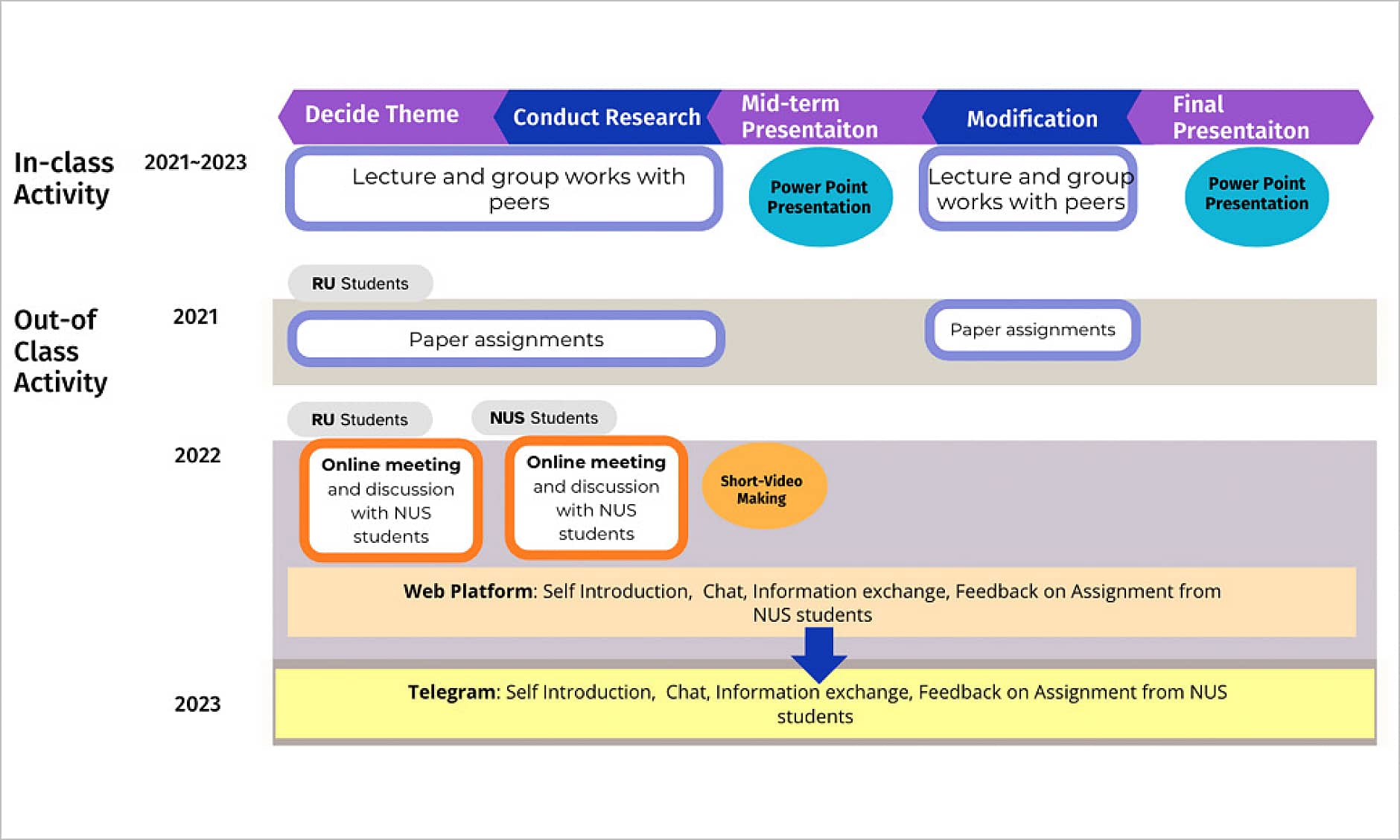
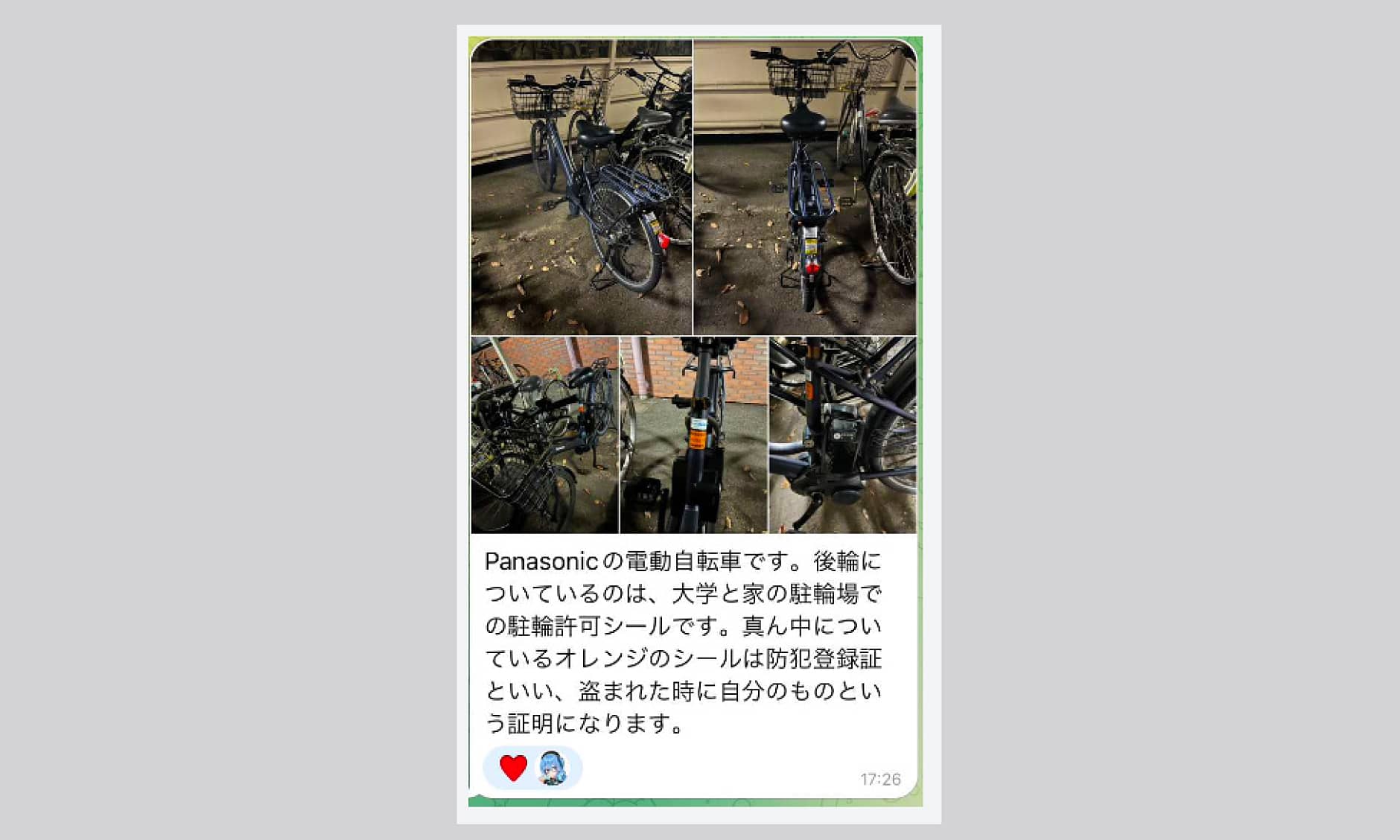
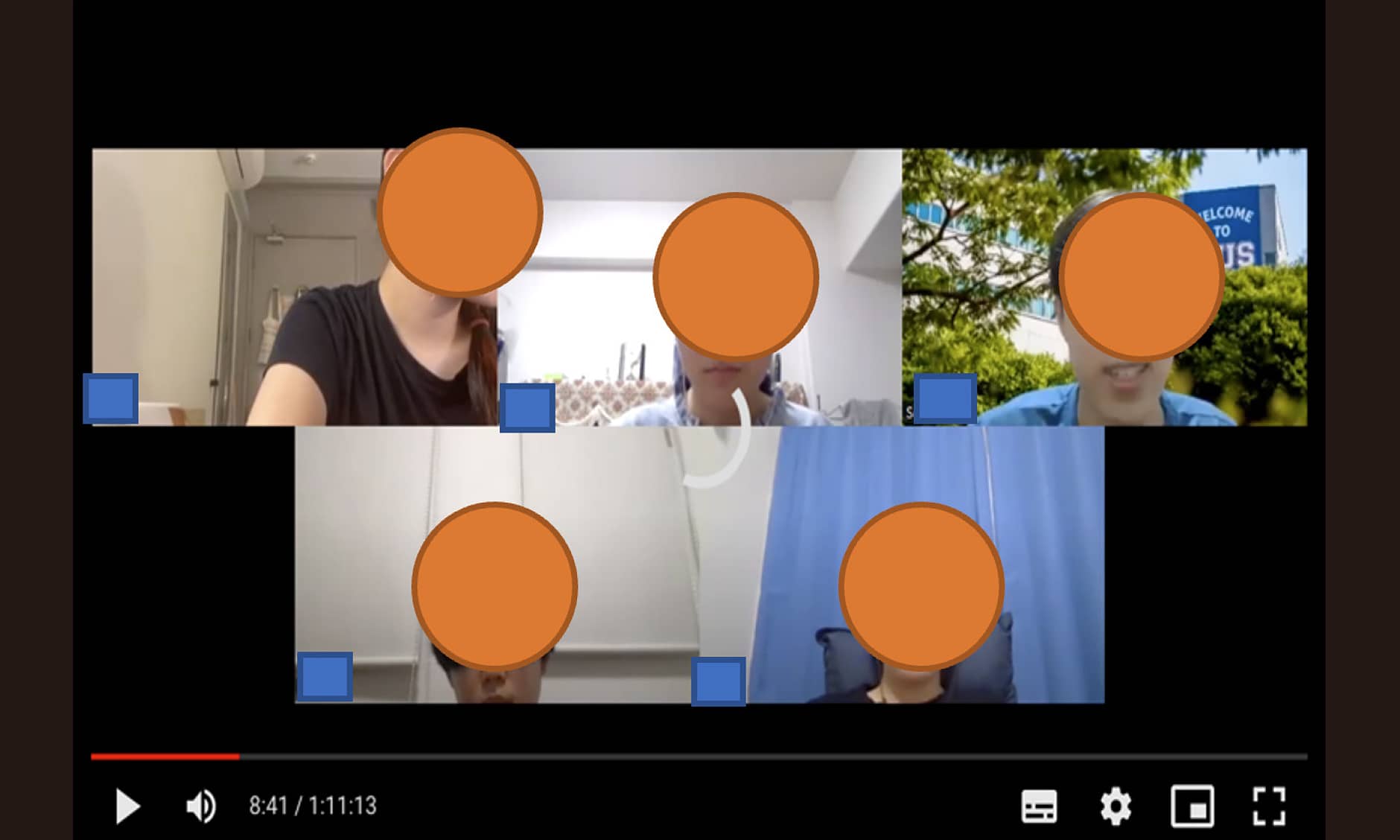
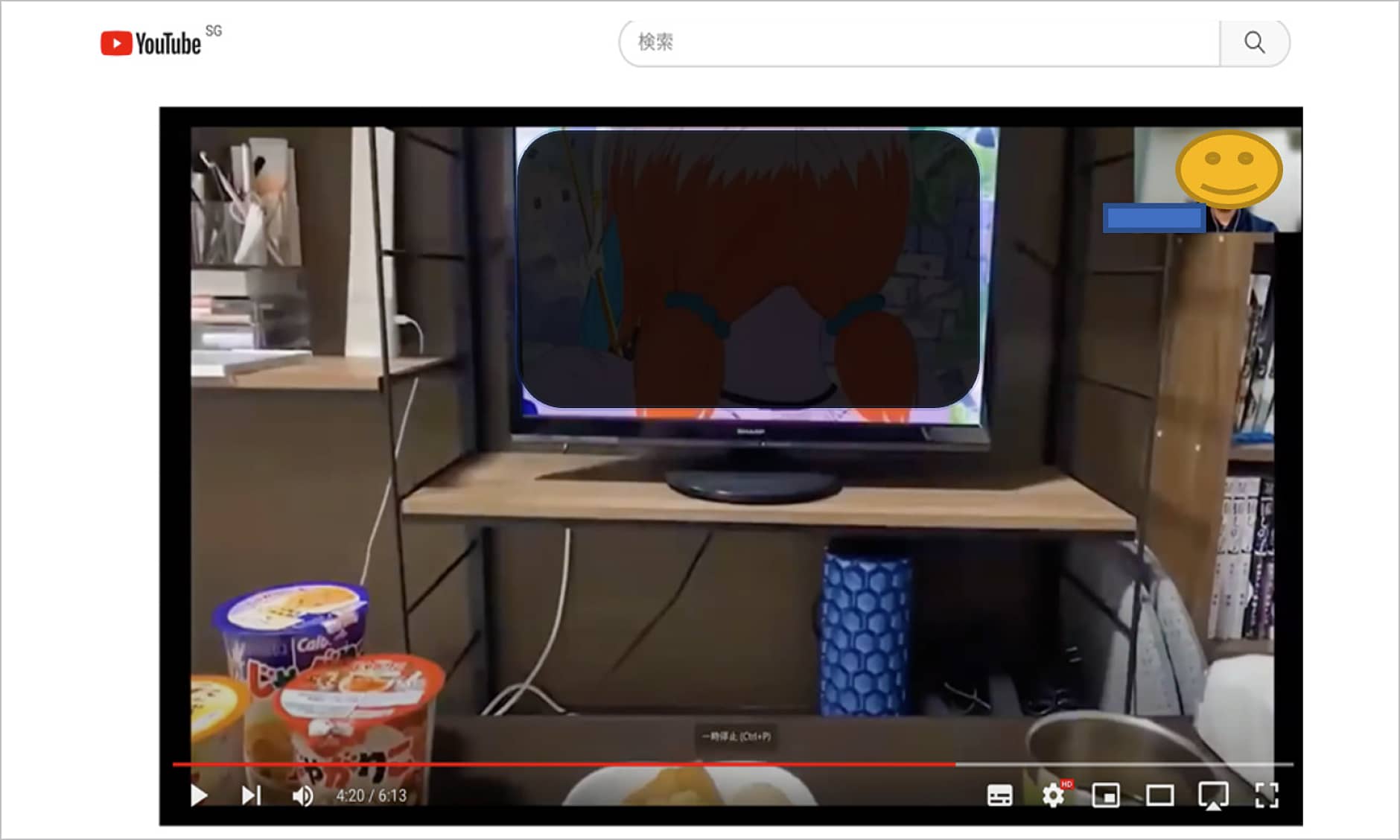
This study was conducted through ongoing international collaboration with the National University of Singapore (NUS) – arguably one of the top-rated universities in Asia, aiming to improve language acquisition and international communication skills by incorporating physicality and materiality into a multimodal learning environment. From 2022 to 2024, Japanese language learners at NUS and English language learners at Ritsumeikan University engaged in synchronous exchanges via Zoom, asynchronous dialogue and communication activities using Telegram and Padlet, and joint production of short videos. The project is distinguished by its theoretical originality and its highly transferable design across disciplines and national contexts.
The theoretical foundation draws on Otsuji & Pennycook (2009)'s concept of “metrolingualism” and research on language acquisition in multimodal environments (Sannomiya, 2021; Eisenberg & Pares, 2014), examining the influence of physicality and materiality in online communication. Additionally, the study incorporates “symbol grounding problem” (Harnad, 1990) to examine how words are connected to the physical real world, thereby influencing shared understanding.
One of the major achievements of this project is that it has made it possible to visualize, accumulate, and analyze the previously difficult-to-obtain exchange processes between learners through short videos and chat records. This study not only presents a model for cultivating “usable” international communication skills adapted to the post-COVID-19 era but also confirms the high educational significance of this project as a concrete scheme for interdisciplinary online international collaborative learning.

Papers, etc.
International co-authored paper (peer-reviewed)
- Can online international exchanges effectively simulate short-term study abroad experiences? The design of post-pandemic cross-border collaborative learning programs, In press in 2025, Indiana University Press, International Journal of Designs for Learning
Book
- Introduction to Philosophy of Information, Kodansha, 2024.
Symposia, seminars, etc.
International convention
- Japanese Undergraduate Students’ Initial Expectations and Their Perceived Benefits through English as a Medium of Instruction Courses, JACET International Convention
Future prospects/aspiration
In the future, we aim to further develop multimodal learning environments that incorporate physicality and materiality into online international exchanges, and expand these designs; so that they can be implemented across different disciplines and educational contexts. We also plan to compare these online interactions with study-abroad experiences that involve physical mobility, in order to examine the extent to which cross-border language exchange can be achieved online as well.