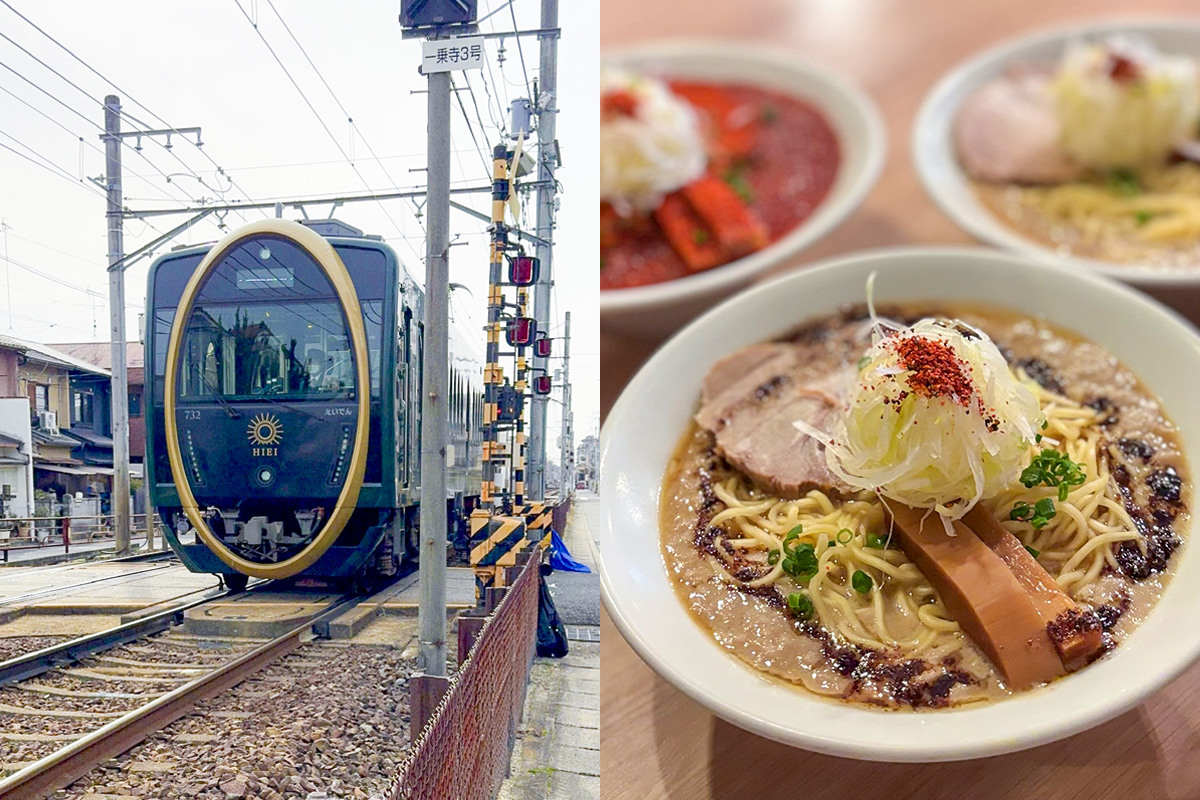


In this issue of the column, along with comments from multiple faculty members, we introduce some recommended spots in Kyoto’s Ichijoji area.
Japan’s sole stela for microorganisms: “Kinzuka”
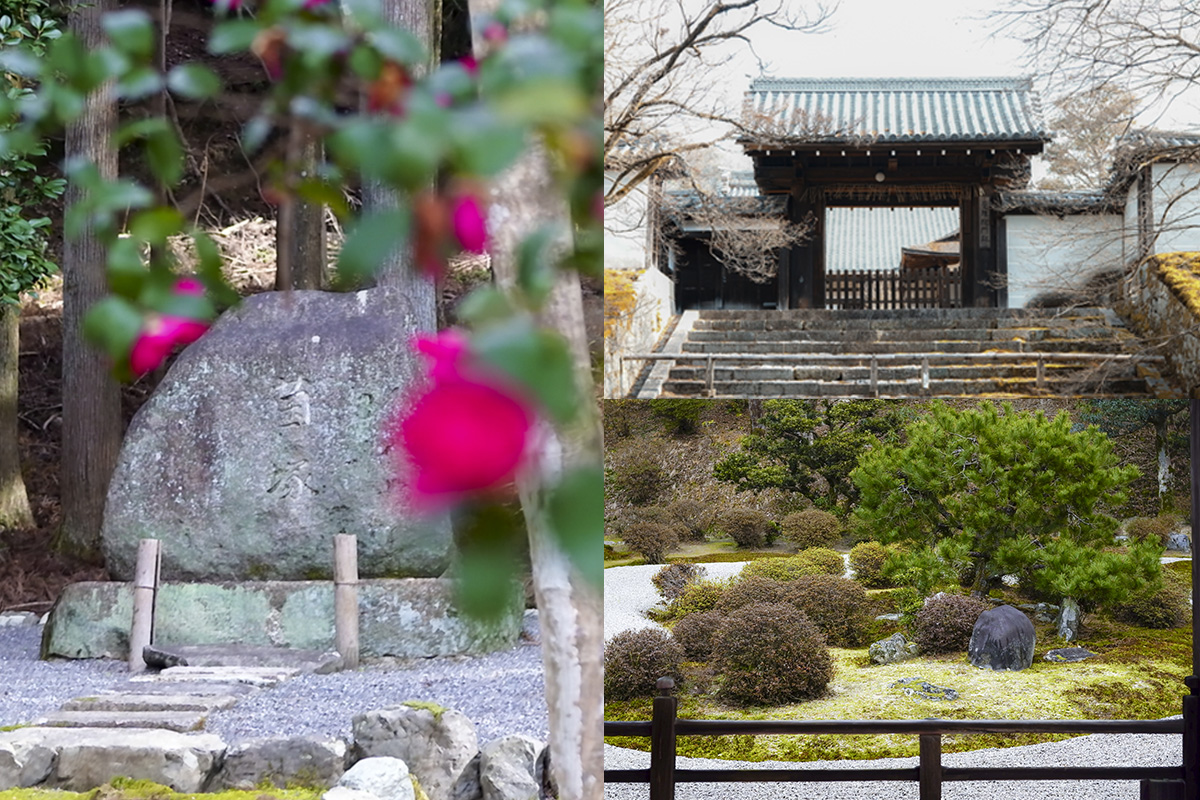
Dr. Inoue from the Ritsumeikan-Global Innovation Research Organization(R-GIRO), who studies microorganisms, recommends visiting “Kinzuka,” located within Manshuin Monzeki, about a 20-minute walk from Shugakuin Station on the Eizan Railway Main Line. “Manshuin Monzeki is a temple that dates back to the Heian period, and within its grounds stands a stela dedicated to microorganisms—‘Kinzuka.’ It is, quite literally, a grave for microbes. There is no other place like this in all of Japan.”
Researchers who study microorganisms as well as people working in related industries visit Kinzuka to express gratitude toward the microorganisms sacrificed in their work. Because the monument is located in a restricted area, visitors must ask permission at the reception desk.
Chief priests of Manshuin Monzeki were historically members of the imperial family. The buildings themselves are of significant historical value, with sliding-door paintings from the Edo period still preserved. The kitchen area of the same era also remains, and kitchen tools used at the time are on display. Visitors can also view designated National Treasures(”kokuhō”)—artworks recognized for their outstanding cultural and historical value—as well as furnishings used by generations of the imperial family and letters written by prominent historical figures such as Oda Nobunaga, Toyotomi Hideyoshi, and Tokugawa Ieyasu. The temple also features two gardens where visitors can marvel at the beauty of traditional ”kare-sansui” (Japanese dry garden). Why not visit and experience the depth of Japanese history firsthand?
Recommended spots around Ichijoji Station
Several faculty members also introduced their favorite places near Ichijoji Station on the Eizan Railway Main Line.
Just a 3-minute walk from Ichijoji Station is Keibunsha Ichijoji, recommended by Professor Kamihira of the College of Design and Arts (opening in April 2026).
“Keibunsha is a bookstore in Ichijoji—a hidden gem beloved by book lovers. I often stop by myself.”
This bookstore has even been selected as one of the Top 10 Most Beautiful Bookstores in the World. Unlike typical bookstores, Keibunsha displays its books on antique shelves and tables, and frequently hosts pop‑up events showcasing curated selections by staff, publishers, and artists. A section of the store also features a variety of goods from Japan and abroad.
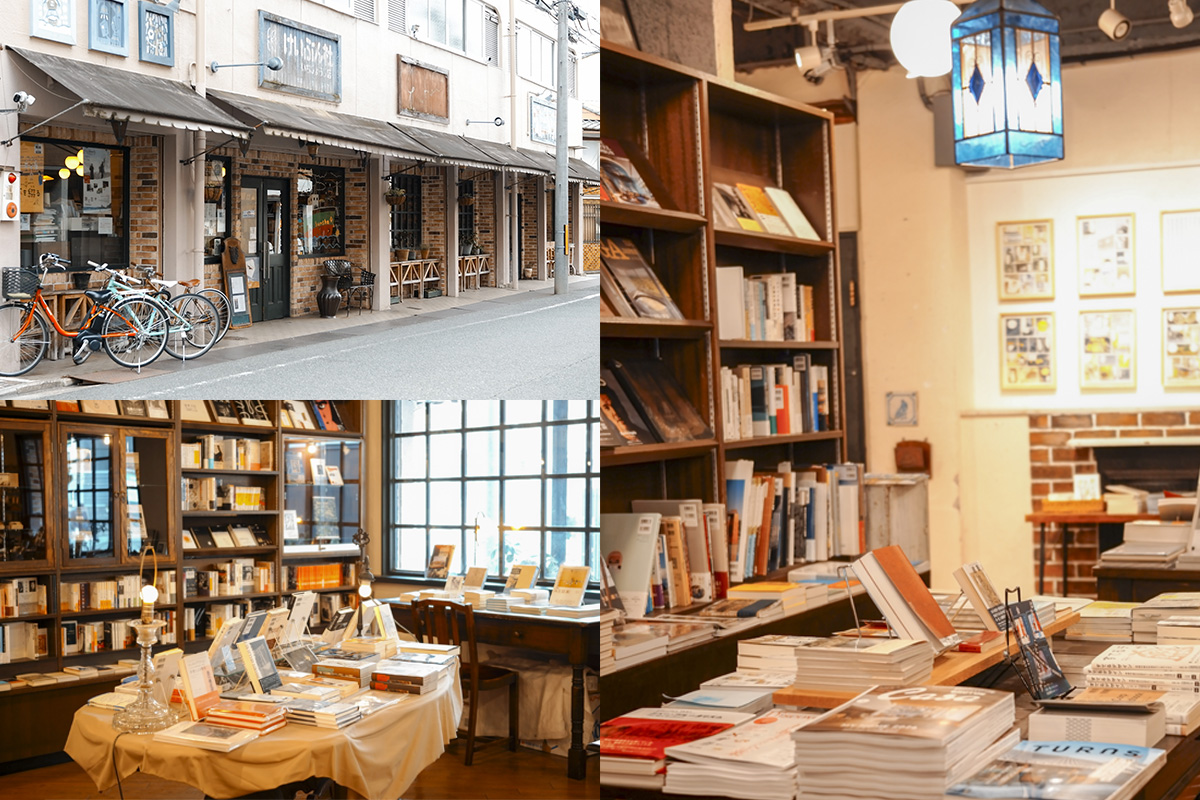
Stepping out of Keibunsha and heading west will bring you to what is commonly known as “Ichijoji Ramen Street,” an area lined with numerous ramen shops. Ichijoji is one of Kyoto’s most famous ramen districts, home to many popular restaurants known for their exceptional flavor. Among them, ”Gokkei” is a renowned ramen shop that originated in Ichijoji and is known for having long lines. Its signature dish features an ultra‑thick, richly concentrated chicken broth—so thick that a spoon can stand upright in it! The flavor is so compelling that once you start eating, it’s hard to stop. Beyond Gokkei, Ichijoji Ramen Street offers many other famous and well‑loved ramen shops.
Although Ichijoji is a bit removed from Kyoto’s bustling city center, we highly recommend taking the Eizan Railway, a charming streetcar line. Each train car features unique wrapping designs that are worth seeing. The railway even sells a special “Kyoto Ichijoji Ramen Ticket” that includes a bowl of ramen and a train ticket.
How about taking a break from the busy downtown area and strolling through the tranquil streets of Kyoto?