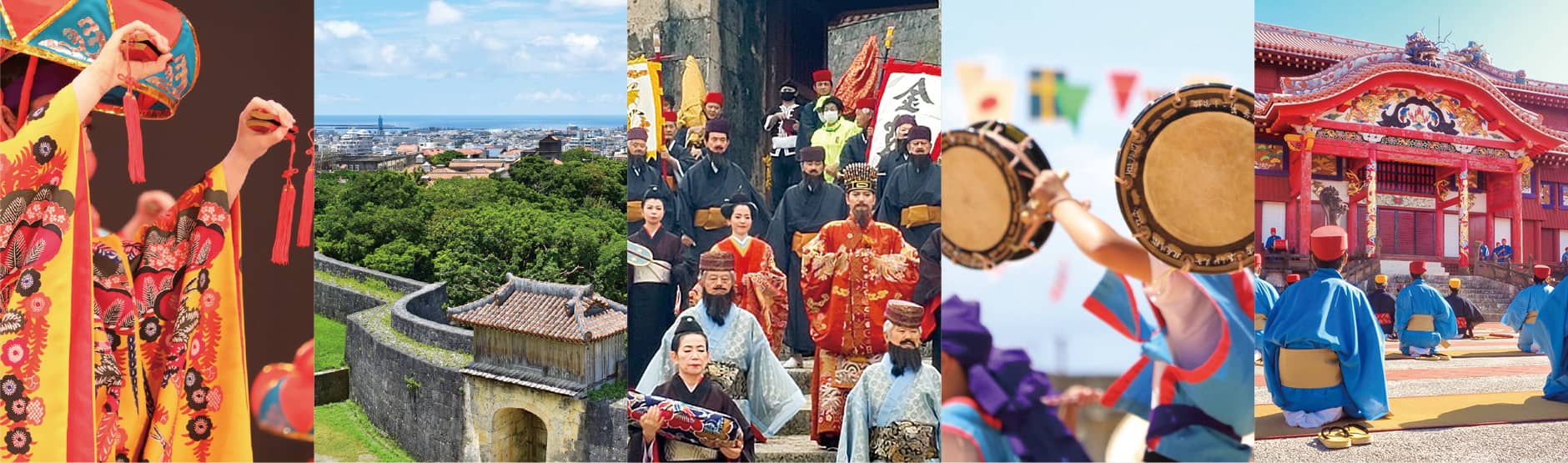


Long regarded as outsiders within Japan, the Ryukyuan people—indigenous to the islands of modern-day Okinawa Prefecture—have endured decades of forced assimilation, devastation in World War II, and cultural suppression. Yet today, they are experiencing a powerful cultural revival and gaining recognition as a distinct people with a rich and complex heritage. In this article, Travis Seifman, Associate Professor, Kinugasa Research Organization, Ritsumeikan University, Japan, examines the historical roots of Ryukyuan identity, the ongoing challenges of cultural restoration, and the path forward for this resilient community.
Initially sparked by anime and video games, Seifman’s interest in Japanese culture eventually evolved into a specialization in the history and culture of early modern Japan. His particular expertise lies at the intersection of Okinawan arts, culture, and politics from the early modern period to the present day.
The Ryūkyū Islands, known in the native language as Lūchū, were historically the territory of the Lūchū Kingdom (c. 1520s–1879), an independent kingdom with its own languages, political system, and cultural traditions. At its peak, Lūchū thrived as a trading hub, maintaining trading relationships with China, Japan, Korea, and a number of Southeast Asian polities. In 1879, Japan abolished the kingdom and annexed it as Okinawa Prefecture, imposing assimilation policies that suppressed Ryukyuan identity.
For centuries, Okinawa served as a gateway to Japan, but its strategic location also made it a calamitous battleground during World War II. Today, Okinawa retains a distinct cultural identity shaped by Ryukyuan languages, traditional arts, and unique spiritual practices.
Seifman’s research explores the culture that shaped this distinctive region, offering valuable insights into the diversity of cultures within the islands that today comprise Japan.
Okinawa’s History and Cultural Oppression
Perhaps some of the earliest Japanese depictions of Ryukyuan identity were images produced in connection with the seventeen official diplomatic missions sent by the Lūchū Kingdom to the Tokugawa shogunate in Edo (modern-day Tokyo) between the 17th and 19th centuries. These embassies were not only diplomatic in nature but also ceremonial and offered most Japanese their first and only impression of Lūchū’s people, culture, and political identity.
Both sides had strategic interests in these missions. For Lūchū’s rulers, it was a chance to affirm their autonomy and unique cultural identity. On the other hand, Japan’s feudal rulers presented Lūchū envoys as exotic dignitaries from a subordinate realm and leveraged these visits to demonstrate their dominance.
Seifman remarks, “These embassies became a contested space of representation. On one hand, the Lūchū envoys sought to present themselves as they wished to be seen as a sophisticated, independent kingdom. On the other hand, the Shimazu and Tokugawa clans carefully orchestrated aspects of these visits to reinforce their own political narratives. This tension fundamentally shaped how Lūchū was perceived in Japan during that era, establishing lasting impressions that influenced modern understandings of Okinawa.”
The impressions formed during these encounters continued to influence understandings of Ryukyuan identity in modern Japanese society.
“Both sides had aligned interests in emphasizing Lūchū’s distinctiveness. The kingdom used these displays to assert its refined culture and sovereignty over its own lands, while Japanese elites gained prestige by showcasing their control over what appeared to be an exotic foreign realm. This mutual performance of "foreignness" cemented certain cultural markers, such as specific musical traditions and distinctive clothing, as emblematic of Okinawan identity in the Japanese imagination.”
Since Japan’s annexation of the Lūchū Kingdom in 1879, the region has undergone a profound cultural and political transformation. The once-independent kingdom was fully absorbed into the Japanese state, and policies promoting assimilation led to the gradual erosion of Ryukyuan identity.
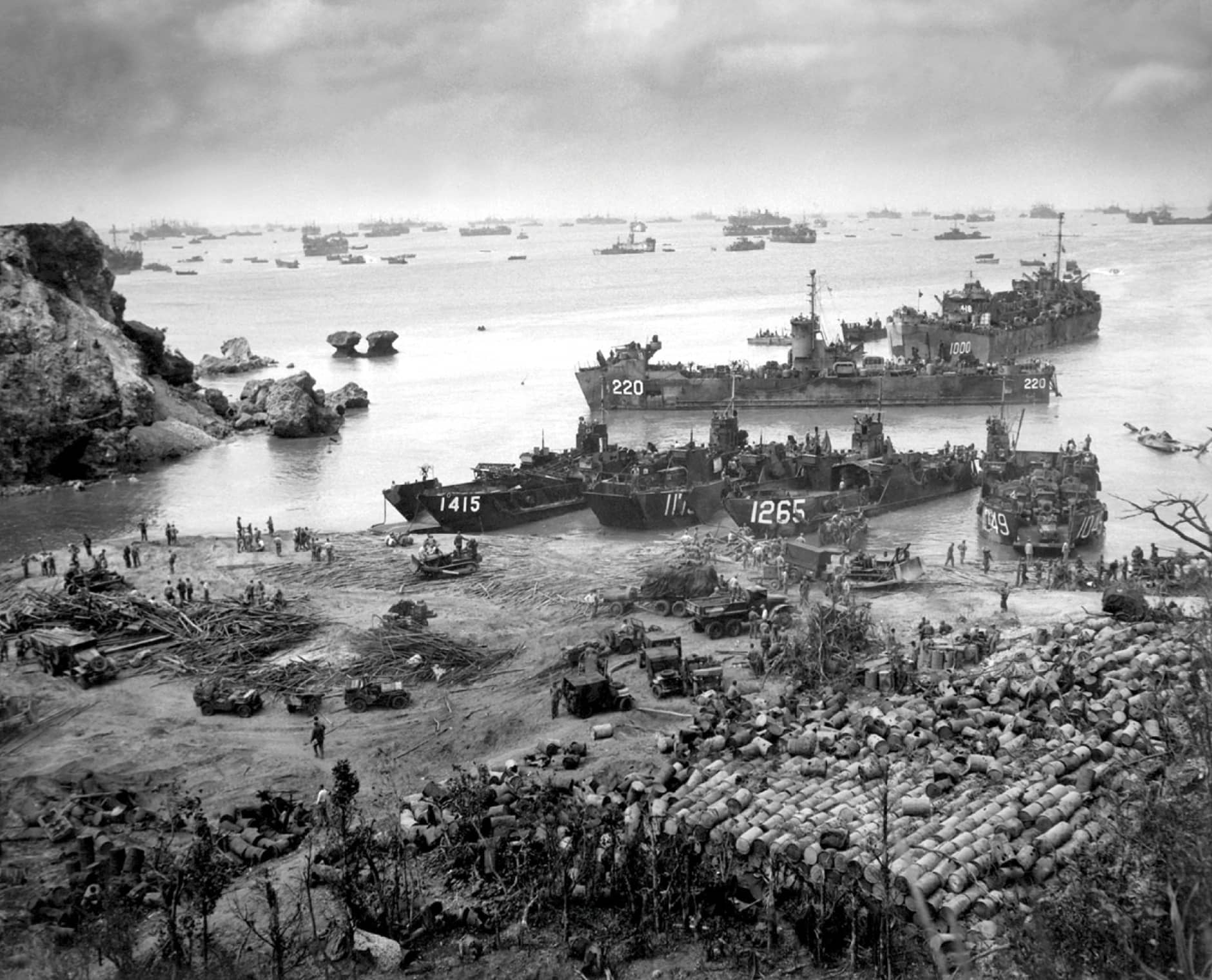
During World War II, Okinawa became the site of one of the war’s most devastating battles—the 1945 Battle of Okinawa. Lasting from April 1 to June 22, the battle claimed the lives of hundreds of thousands of Okinawan civilians, an estimated quarter to a third of the island's civilian population. The scale of the destruction, combined with the psychological trauma and displacement, left a deep and lasting impact on Okinawan people and society.
Throughout the battle and in its immediate aftermath, much of Okinawa’s cultural heritage was lost. Sacred lands were repurposed for military use, and countless historical treasures and artifacts were either destroyed or looted.
Reviving Okinawa’s Cultural Identity
Despite this long history of loss and suppression, Okinawan culture has endured. Many artifacts have been recovered and returned, symbolizing a slow but meaningful cultural restoration. In 2024, the U.S. returned four Ugui portraits—formal posthumous memorial portraits of kings of Lūchū that were looted during the war—marking a significant moment in this ongoing process of historical restoration.
“With every repatriation, the cultural picture becomes a little more complete,” says Seifman. “There was something that was lost, and now it is back. It will take time to restore the paintings, but once they are on display again, people will be able to see them, connect with them, and feel perhaps a little bit more whole—that the culture is alive, that it continues, and that it is being recovered.”
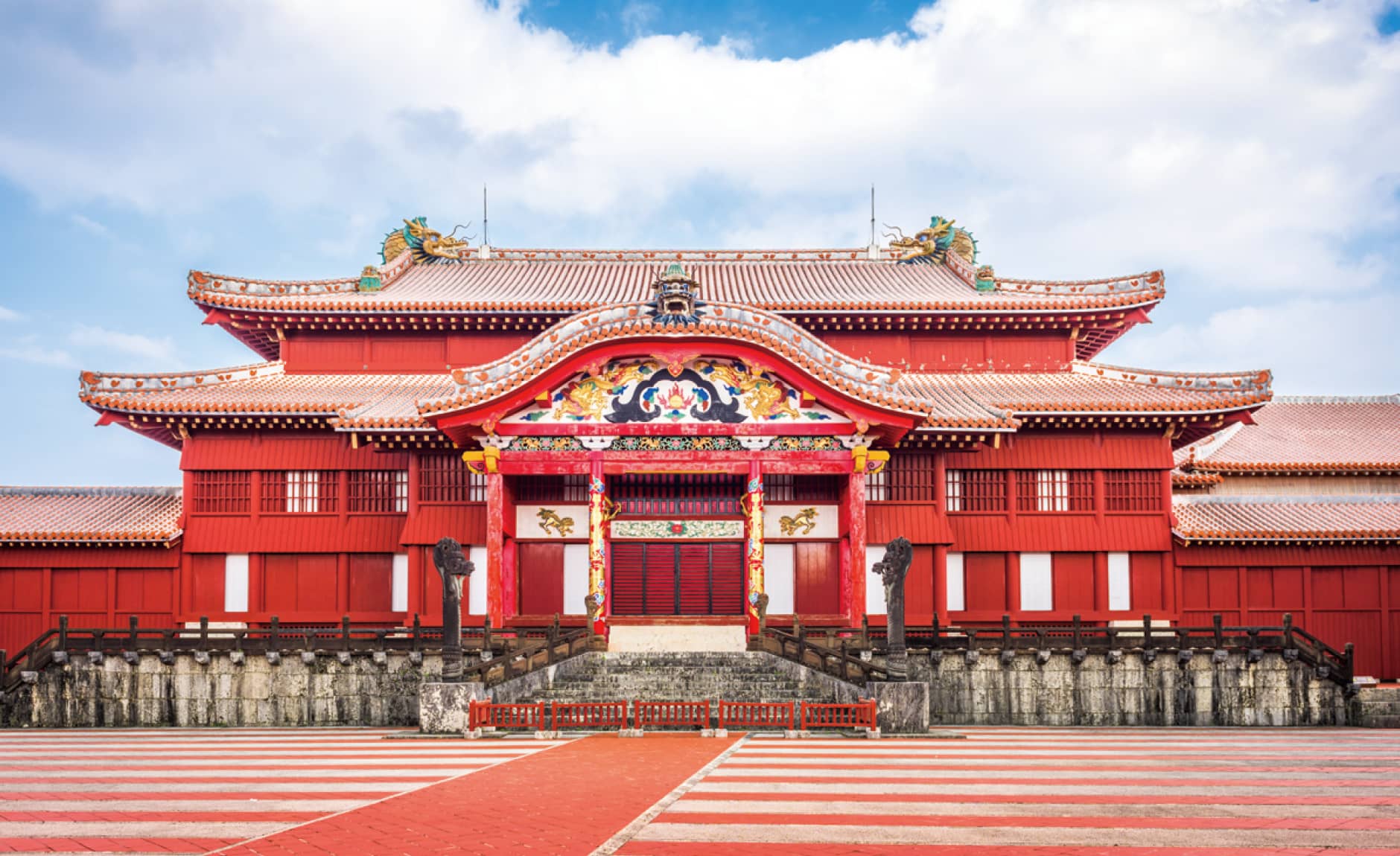
Seifman stresses the importance of restoring historical sites that once played a central role in Ryukyuan society as a means of reviving their cultural identity. One key example he cites is the restoration efforts at Shuri Castle, the former royal palace of the Lūchū Kingdom, which was destroyed in 1945, rebuilt in 1992, and is today being rebuilt again following a devastating fire in 2019.
The gusuku serves as a powerful reminder of Okinawa’s distinct history and cultural heritage. Seifman explains that such spaces provide opportunities for Okinawans to revive and engage with traditional practices in the modern era.
“Restoring these spaces provides a platform for reviving traditional arts—architecture, painting, lacquerware, woodcarving, and more. They also support the revival of court arts such as music, dance, theater, royal rituals, and ceremonies. The process of rebuilding and maintaining the gusuku is itself a form of cultural renewal.”
For many Okinawans, Sui gusuku is more than a historic site; it is a symbol of their distinct cultural identity. Seifman stresses that its reconstruction must be approached with cultural sensitivity and an appreciation of its unique historical significance.
“The gusuku is a symbol that gives Okinawan people pride—a place where they can feel connected to their history and cultural identity. It also allows others—Japanese people and international visitors alike—to recognize that Okinawa was once an independent kingdom, with its own rich traditions and refined culture, separate from Japan.”
He adds that faithful restoration is essential for honoring Okinawa’s historical roots and preserving the cultural diversity contained within what are today the islands of Japan. Misrepresenting the site as simply a “Japanese” landmark would risk erasing this vital distinction and undermining centuries of Ryukyuan heritage.
The ongoing issues surrounding Shuri Castle reflect broader debates about the identity, representation, and sovereignty of the Ryukyuan people within Japanese society.
Disagreements persist over whether the site should primarily serve as a cultural and sacred space for Ryukyuans to reconnect with their heritage or function mainly as a tourist attraction. Some have raised concerns about the continued use of the Japanese name Shurijō Castle Park, instead of the indigenous name Sui gusuku. The performance of Shinto purification rituals in the castle during its restoration has also been widely criticized, seen by many as a reminder of Japan’s imperial-era imposition of the state religion.
Confronting Identity: Japanese or Okinawan?
Despite growing efforts to reclaim cultural autonomy, many Ryukyuans still navigate complex identities shaped by historical assimilation, the U.S. occupation, and ongoing pressure to conform to mainstream Japanese society.
Seifman explains that this identity crisis stems from Okinawa’s layered history: as descendants of the once-sovereign Lūchū Kingdom, which saw itself as distinct from both China and Japan; their forced incorporation into the Japanese state in the late 19th century; and the impact of the U.S. occupation from 1945 to 1972.
These influences continue to shape modern Okinawan society, where questions of identity remain deeply felt.
“Since the 1880s, there was a strong effort within Imperial Japan to suppress—or even erase—Okinawan difference. Students were forced to speak Japanese in school and were punished for speaking the Okinawan language. Through a variety of policies, Imperial Japan strongly pressured people to learn to be, and to become, Japanese. And although such efforts are perhaps today not imposed or enforced as overtly or oppressively as in the prewar era, these pressures continue in complex ways. Fitting in and speaking perfectly standard Japanese are still often seen as essential for one to have a successful career and to otherwise succeed in Japanese society.”
The cultural struggles of the Ryukyuan people reflect a broader global pattern, shared by many minority and indigenous communities, who have long fought for recognition, respect, and the preservation of their traditions. Acknowledging and honoring these cultural identities is a crucial first step in reversing centuries of oppression and forced assimilation.
“When we talk about cultural restoration or restitution, I immediately think of Native American and First Nations communities,” says Seifman. “I think about the artifacts housed in the British Museum—taken from Greece, Egypt, various African nations, the Middle East, and India. Even within Asia, there are many examples: the Korean government continues to seek the return of items from Japan, and China is still asking for the repatriation of artifacts held in England. This is a global conversation. Okinawa is often left out of that conversation, but it absolutely belongs in it. It is just another example of a community seeking the return of its cultural treasures and the right to tell its own story.”
The Future of Ryukyuan Identity
Today, Ryukyuans continue to redefine themselves, not only by reviving and maintaining traditions but also by blending them with contemporary influences to forge a unique path forward.
“When we talk about rebuilding Shuri Castle, it is not just about restoring something from the past to preserve it like a jewel box. It is about creating a space for new cultural development. They are thinking about 21st-century Okinawan culture—something for the future. So, it really represents a kind of crucible, a foundation for building both a new, creative, contemporary culture and preserving an authentic traditional culture that continues into the present day,” explains Seifman.
Experience at Ritsumeikan University
Reflecting on his research and time at the university, Seifman recalls the kindness and spirit of collaboration he encountered throughout his academic journey.
“I have been incredibly fortunate to receive warm, supportive invitations for collaborations in recent years. The key is maintaining both professionalism and kindness—especially when working across languages. My Japanese colleagues have shown remarkable enthusiasm and interest in our differing interests, approaches, and outlooks. That generosity of spirit—the willingness to work together in a friendly, collaborative way—has been invaluable.”
Seifman plans to publish the first book in English about the Luchuan embassies to Edo, aiming to share the story of this unique part of Japanese and East Asian history with a global audience.