


In commemoration of RADIANT's 10th anniversary, we have launched a feature showcasing interviews with international researchers, in the hope that it helps prospective international researchers envision life at Ritsumeikan University.
The Academic Journey and Ritsumeikan
RADIANT, R hereinafter: Could you tell us a bit about your career path and how you initially became connected with Ritsumeikan University?
Dr. Dowon Kim, DK hereinafter: My journey with Ritsumeikan actually runs quite deep. Before I officially joined the faculty, I completed both my master's and doctoral degrees here. So, Ritsumeikan is very much where my academic foundation was solidified.
Before dedicating myself full-time to academia in Japan, I had the valuable opportunity to work for the Korea National Research Institute of Cultural Heritage. That experience laid the groundwork for my current focus. I began my MA and PhD studies here in 2009 and finished in 2014, and I have been working at Ritsumeikan University since.
R: So, you have quite a strong connection with Ritsumeikan! What was the main reason you decided to stay and work at Ritsumeikan?
DK: I am genuinely confident that I can continue to make meaningful contributions to disaster risk management research in cultural heritage from this institution. That sense of purpose keeps me here.
R: Transitioning to your professional life here, did you encounter any unique challenges as an international researcher when you started working at Ritsumeikan?
DK: Certainly. The University boasts many excellent, highly qualified researchers. However, one challenge I've observed is that Ritsumeikan, at times, doesn't fully open or share its work effectively with the broader international academic community. Navigating that boundary and striving to connect our findings to the global context has been a consistent focus for me.
Protecting the Past, Designing the Future
R: Your research area—disaster mitigation planning in heritage—sounds both complex and incredibly vital. Could you briefly explain the core focus of your field?
DK: A deep interest in disaster mitigation planning fundamentally drives my research. The work often revolves around achieving a delicate balance: heritage conservation versus building code control within historically significant heritage districts. We have to ensure both the safety of the people and the long-term preservation of these crucial cultural sites.
My overarching objective is quite comprehensive: I aim to identify and share the best practices employed by urban and local communities in relation to sustainability and their unique cultural and social identities. We achieve this through rigorous analytics, in-depth field investigations, and the development of effective communication tools. The ultimate goal is to take these practical experiences and theorize them so that they can be transferred effectively to the global context.
R: That sounds highly engaged. What does that research look like on a day-to-day basis?
DK: Currently, I am heavily engaged in community-based research. This focuses specifically on cultural heritage and town development. The emphasis is firmly on social implementation, meaning we don't just write reports; we actively participate in finding solutions through action research and community design.
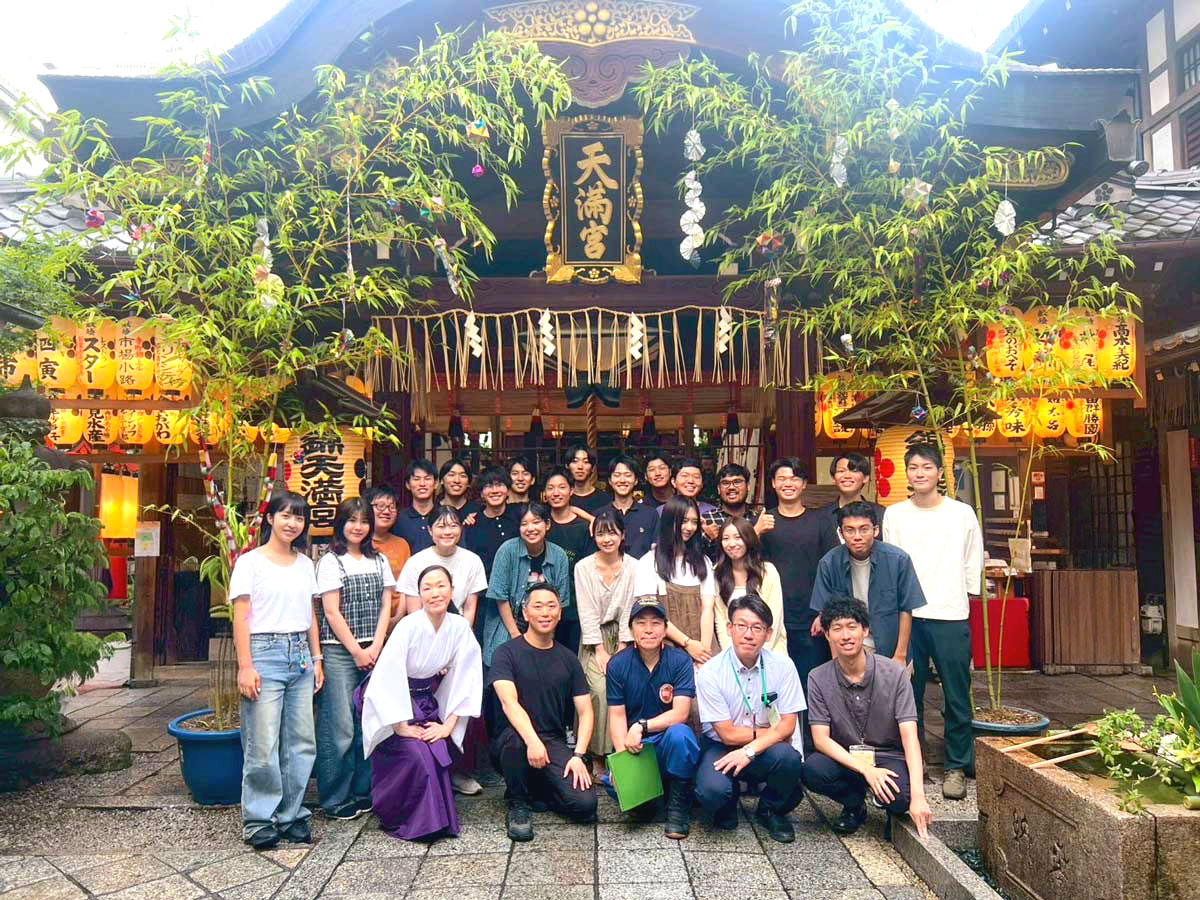
To support this mission of sustainable management for World Heritage sites and risk management, I travel extensively, both within Japan and internationally. Furthermore, I serve on the planning and coordination committee for the Kyoto Cultural Heritage Platform. In that capacity, I lead the young professionals' section, which is a fantastic opportunity to contemplate the future of cultural heritage and communicate these vital topics to the next generation.
R: Moving back to the university environment, how would you rate the research facilities and support at Ritsumeikan University generally?
DK: Overall, I would say the research environment is “good enough.” We have solid foundations and organizations. However, looking ahead, if we want to truly foster the kind of cross-disciplinary work necessary for complex global challenges like disaster mitigation, we definitely need more innovative facilities designed specifically to create interdisciplinary research spaces.
This ties directly into my future vision for research here at Ritsumeikan. I strongly aim to design and create stronger interdisciplinary research collaborations among the various research centers that already exist within the University. Tearing down those internal silos is crucial for innovation.
Life Outside the Work
R: Let's shift gears to your personal life. Where do you reside, and what is the experience like living there?
DK: I live in Otsu, Shiga Prefecture. I am actually delighted with my environment. The best part is its proximity to Lake Biwa and its surrounding lakeshore green spaces. It's a wonderful place to live, balancing convenience with natural beauty.
R: And when you finally get a day off from traveling and research, how do you like to spend your time?
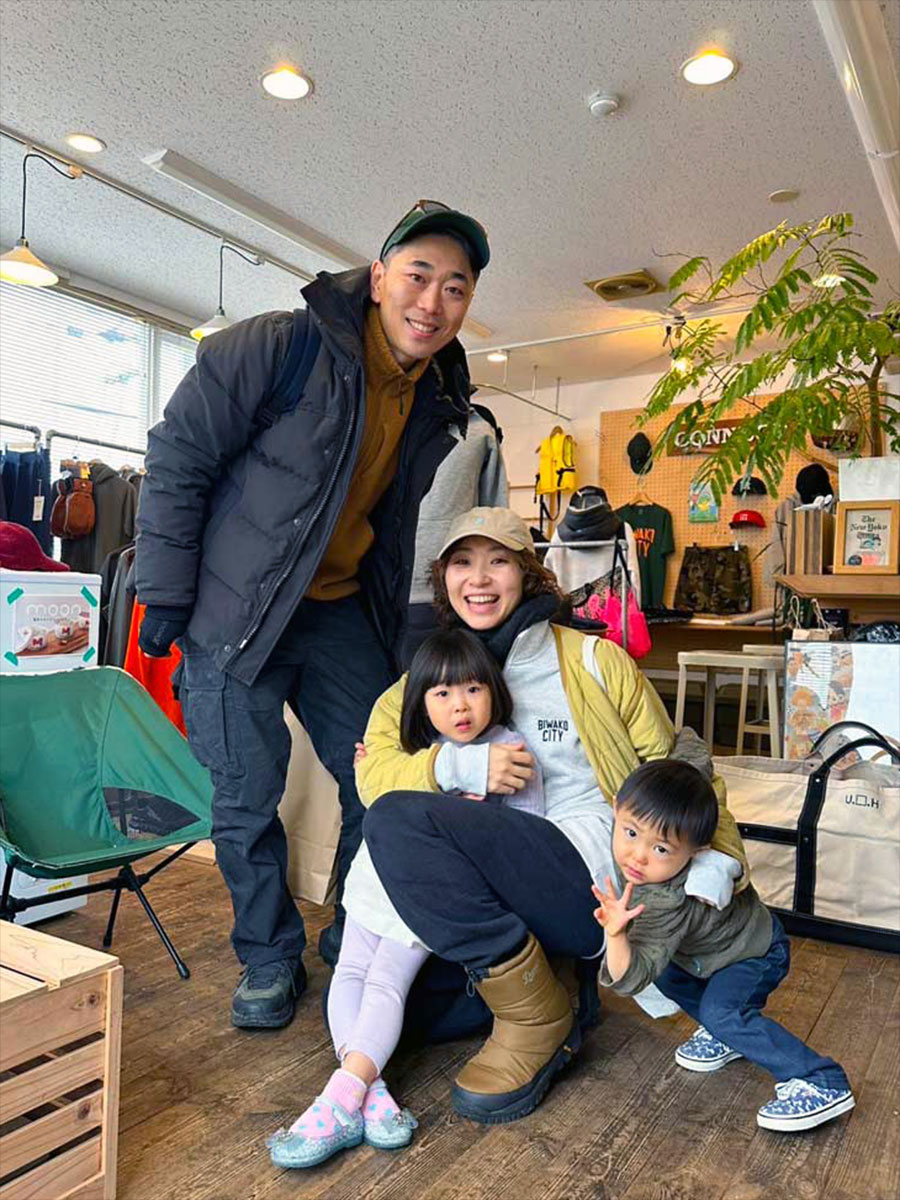
DK: Days off are dedicated to family. I always stay with my family—my wife and our two children. I also enjoy traditional Japanese communal baths; I often go to sento.
R: Finally, outside of your immediate family, what are your social relationships like with your colleagues at Ritsumeikan?
DK: I'm fortunate to have many good colleagues within the University. We definitely socialize outside of the lab and office. We often go out to an izakaya together to share meals and, of course, some sake. It's a great way to maintain relationships and unwind after a busy week of research and travel.