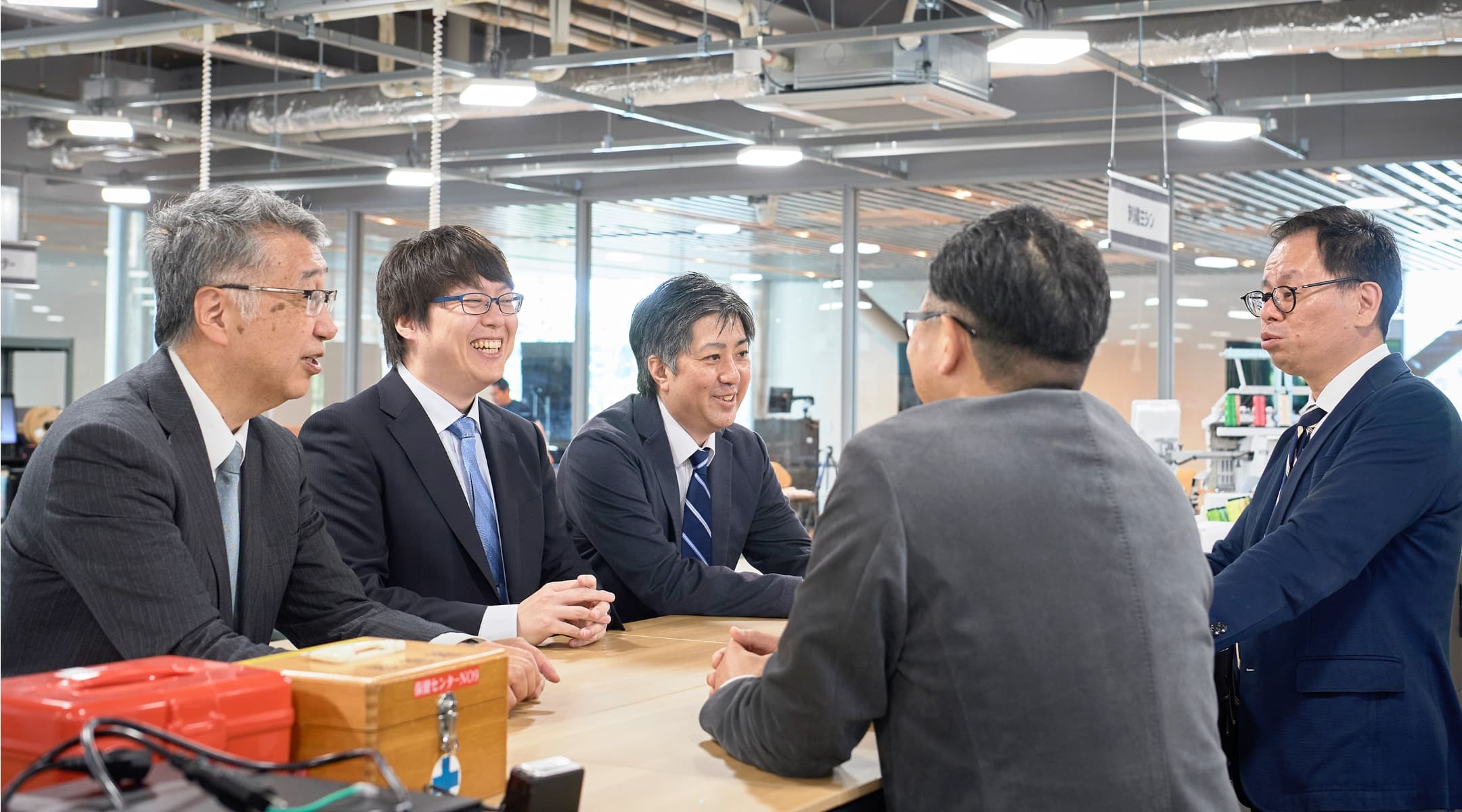
Roundtable
SPECIAL


Why do we need the Graduate School of Frontier Exploration in Earth and Space now?
“The use of space is transforming business on Earth,”
“The space industry needs people from diverse backgrounds”
BACKGROUND
Preparations are underway for the opening of the Graduate School of Frontier Exploration in Earth and Space in 2028.
Why focus on space, Earth, and frontier exploration now? Why Ritsumeikan University?
What unique features and strengths will set this graduate school apart from other space-related graduate programs?
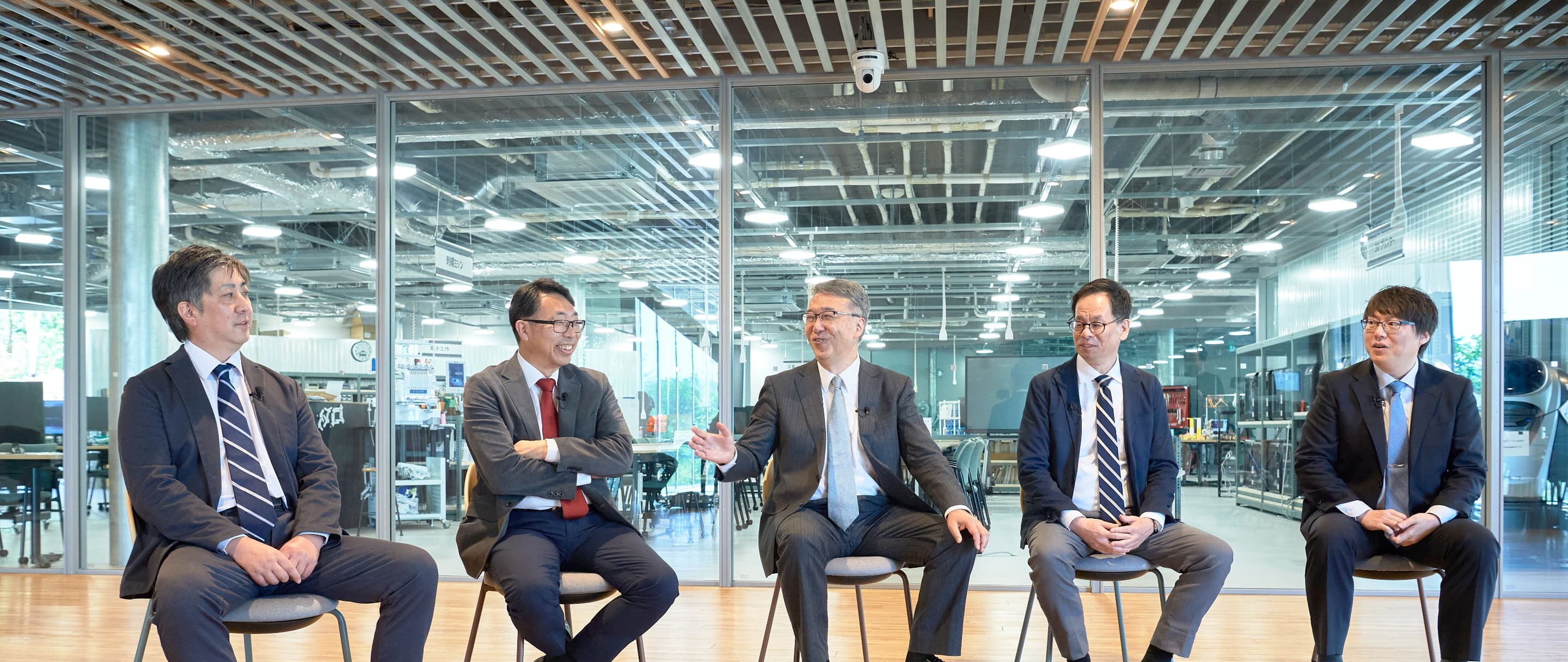
We asked five faculty members who are scheduled to join the graduate school to share their perspectives.
-

Shinichi NAKASUKA
April 2026~: Professor, Research Organization of Science and Technology, Ritsumeikan University; Special Aide to the President.
April 2028~: Scheduled to assume the position of Dean of the Graduate School of Frontier Exploration in Earth and Space -
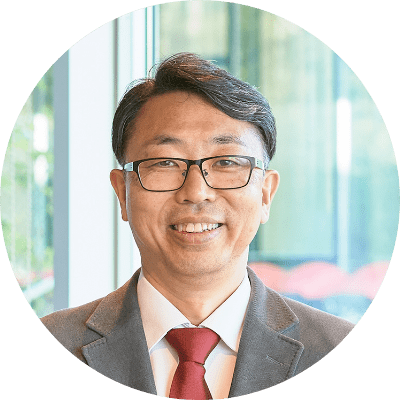
Kazuto SAIKI
Professor, Research Organization of Science and Engineering, Ritsumeikan University Director, Earth & Space Exploration Center (ESEC)
-
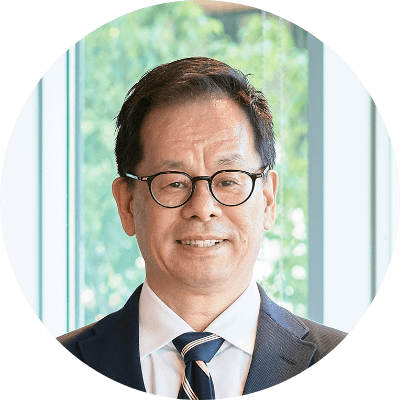
Taizo KOBAYASHI
Professor, College of Science and Engineering, Ritsumeikan University Deputy Director, Earth & Space Exploration Center (ESEC)
-
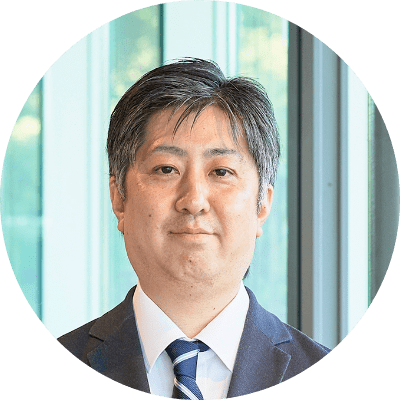
Hiroshi NAGAOKA
Associate Professor, Research Organization of Science and Engineering, Ritsumeikan University, Associate Professor, Research Organization of Science and Technology, Ritsumeikan University; Member, Earth & Space Exploration Center (ESEC)
-
Yusuke NAKAUCHI
Associate Professor, Research Organization of Science and Engineering, Ritsumeikan University, Research Organization of Science and Technology, Ritsumeikan University; Member, Earth & Space Exploration Center (ESEC)
Why do we need the Graduate School of Frontier Exploration in Earth and Space now?
CHAPTER
-
VIEW
#1
As the use of space expands worldwide and government funding increases, developing the necessary talent has become an urgent priority
-
VIEW
#2
Collaborating with the university’s Earth & Space Exploration Center (ESEC) to cultivate talent with comprehensive, cross-disciplinary expertise.
-
VIEW
#3
Japan’s first graduate school where students can study science, engineering, and management together to develop and utilize space
-
VIEW
#4
With the graduate school’s emphasis on project-based learning, students will have opportunities to participate in actual space missions.
-
VIEW
COLUMN
What should prospective students do to prepare before enrolling?
#1 FRONTIER
As the use of space expands worldwide and government funding increases, developing the necessary talent has become an urgent priority
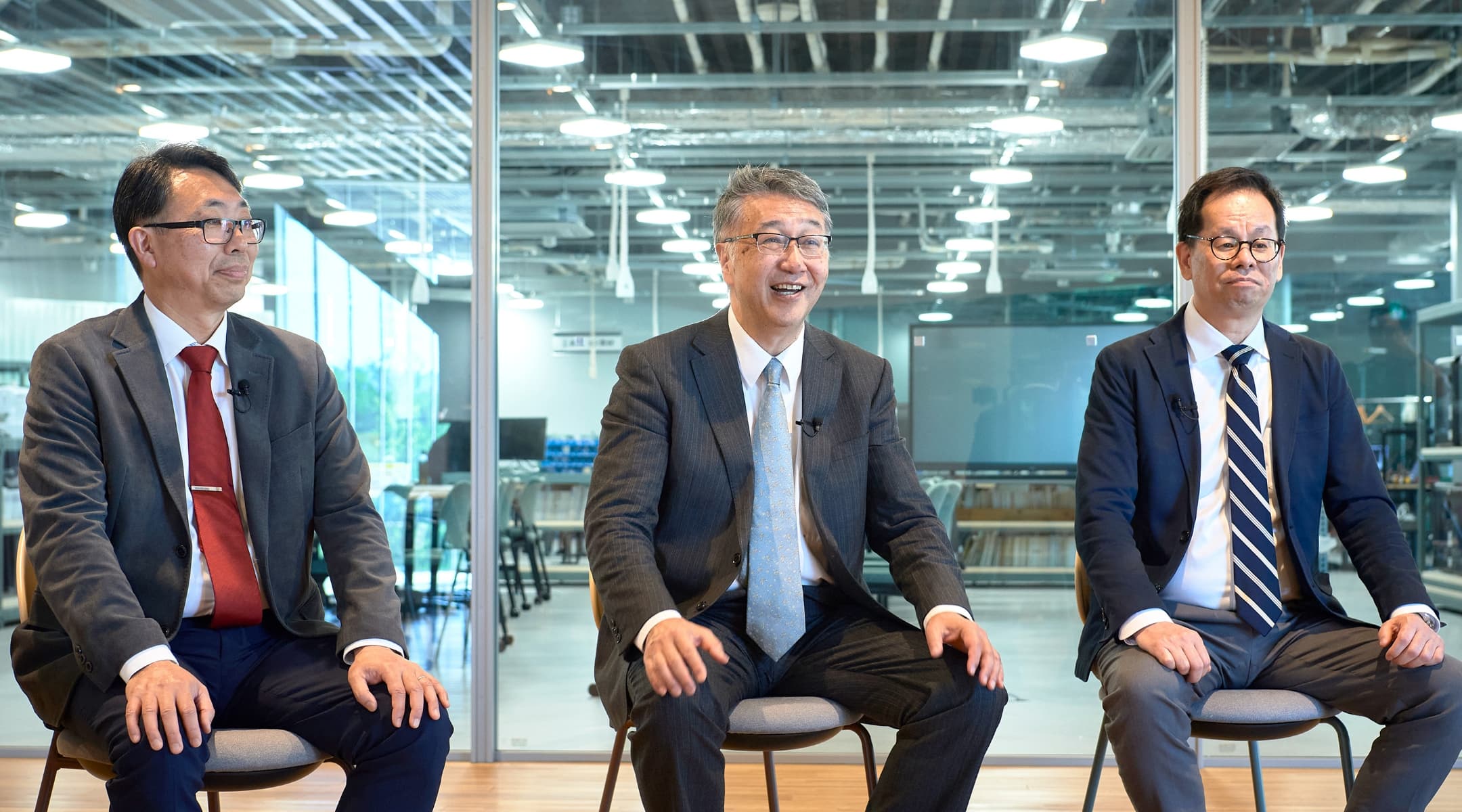
Theme
Plans are underway to establish the Graduate School of Frontier Exploration in Earth and Space, with the aim of opening in April 2028. Why is this graduate school needed now?
-
NAKASUKA -
The use of space is expanding worldwide.
In my field of expertise, satellites, we are seeing not only the launch of satellites aboard rockets but also the emergence of businesses that use these satellites across a wide range of industries. In lunar exploration, too, efforts are moving beyond simply exploring the Moon. Preparations are underway with a view to eventually building lunar bases and establishing a human presence there.
In Japan, the space-related budget has tripled over the past five years. I believe this reflects a strong commitment to positioning space as one of the country's key industries.
However, no matter how much funding increases, we cannot increase the number of qualified professionals suddenly. At present, there is a shortage of talent across virtually every field of the space sector. Since developing the next generation of professionals is one of the most important responsibilities of a university, we felt it was necessary to establish a graduate school dedicated to cultivating talent for the space sector.
-
SAIKI -
Space exploration is also undergoing a transition. We are moving from a stage focused on surveying celestial bodies from orbit to one in which we land on the Moon and Mars, build bases, and conduct exploration on their surfaces. Efforts are also underway to investigate resources on the Moon and Mars and explore ways to utilize them. In this way, the places where humans live and work are beginning to expand beyond Earth into space.
The era when only scientists and rocket researchers venture into space is coming to an end. We are entering a new phase in which people from a wide variety of professions will be working in space.
-
KOBAYASHI -
Even in my field of civil engineering and construction, I expect that the expertise and technologies developed on Earth will increasingly find applications in space. I strongly sense that we are entering an era in which people from a broad range of fields will be involved in space-related activities.
-
NAKASUKA -
The wide variety of activities undertaken in space can only be realized when people from many different fields work together. Given these changes, I believe it is an extremely important mission for universities to establish graduate schools that cultivate people with diverse areas of expertise who can play active roles in the space sector.
#2 FRONTIER
Collaborating with the university’s Earth & Space Exploration Center (ESEC) to cultivate talent with comprehensive, cross-disciplinary expertise.
Theme
Is there any particular significance to Ritsumeikan University establishing this new graduate school?
-
SAIKI -
Until now, I think university laboratories dedicated to space development or space exploration have been independent entities, each working largely on its own. Ritsumeikan University, on the other hand, established a research hub called the Earth & Space Exploration Center (ESEC) in 2023. This means that all the laboratories of the Graduate School of Frontier Exploration in Earth and Space can come together under ESEC.
ESEC brings together not only faculty members specializing in science and engineering, but also those in management, areas of the humanities and social sciences including psychology, and law. Therefore, the Graduate School of Frontier Exploration in Earth and Space will be established on this solid foundation.
Of course, the graduate school itself will also have faculty members specializing in a range of fields across science, engineering, and management, who will be able to collaborate in cultivating the next generation of talent. I believe this is one of the major strengths of establishing the Graduate School of Frontier Exploration in Earth and Space at Ritsumeikan University.
I also believe that creating a new hub for space development in the Kansai region of Japan will be extremely significant for space development and exploration in Japan as a whole. At present, space-related facilities and testing equipment are concentrated in the Kanto region of Japan. By establishing a hub in Kansai, we can make our university's testing facilities available to companies in the region and collaborate with them on talent development.

-
KOBAYASHI -
Ritsumeikan University is a comprehensive private university with 17 colleges and 22 graduate schools, bringing together faculty members from a wide variety of academic disciplines across the humanities, social sciences, and natural sciences. The ability to draw on this collective expertise is another strength of Ritsumeikan University.
-
NAKASUKA -
Collaboration with industry is also extremely important in space development and exploration. There are many companies in the Kansai region that have considerable potential but have yet to enter the space sector. One of the things I hope to accomplish at Ritsumeikan University is to explore opportunities for collaboration with these companies in Kansai.
COLUMN
What should prospective students do to prepare before enrolling?
-
NAGAOKA -
Undergraduate studies are a time to acquire foundational knowledge, while graduate school is where you put that knowledge to use to achieve what you want to do. The most important thing is to have a clear idea of what you want to accomplish.
Getting into space is difficult, and research in this field does not necessarily produce immediate results. That's why you need to think about how you can apply the technologies and knowledge you've acquired in your own field to space, and then pursue your research while maintaining your motivation to achieve your goals.
-
NAKAUCHI -
I didn't study Earth and planetary sciences as an undergraduate. I took the plunge into a graduate program in a completely different field simply because it was something I wanted to pursue.
One of my graduate school professors told me that there was still plenty of time to learn whatever I needed to know, and that if I had several things I wanted to accomplish, I would eventually find an opportunity to make at least one of them a reality.
I think what's important is having the courage to take that first step into something new and never losing sight of what you want to achieve.
#3 FRONTIER
Japan’s first graduate school where students can study science, engineering, and management together to develop and utilize space
Theme
What are the distinctive features and strengths of the Graduate School of Frontier Exploration in Earth and Space?
-
NAKASUKA -
One of the defining features of the Graduate School of Frontier Exploration in Earth and Space is its cross-disciplinary approach to studying science, engineering, and management.
Space development and utilization cannot be achieved through space engineering technologies alone. They also require knowledge from a wide range of fields, including science and management.
Until now, I have been involved in space-related activities in the form of satellite development within the relatively narrow confines of the University of Tokyo's Faculty of Engineering. But I don't think that approach is enough anymore. For example, we need a graduate school where we can work with faculty members in the sciences to explore what we can learn from data collected in space and how we can build on those findings, discuss the applications of space technologies with faculty members in the humanities and social sciences, and take a broader view of the various issues involved.
The Graduate School of Frontier Exploration in Earth and Space will take this kind of cross-disciplinary approach, bringing together faculty members and students with a wide range of specializations.
-
KOBAYASHI -
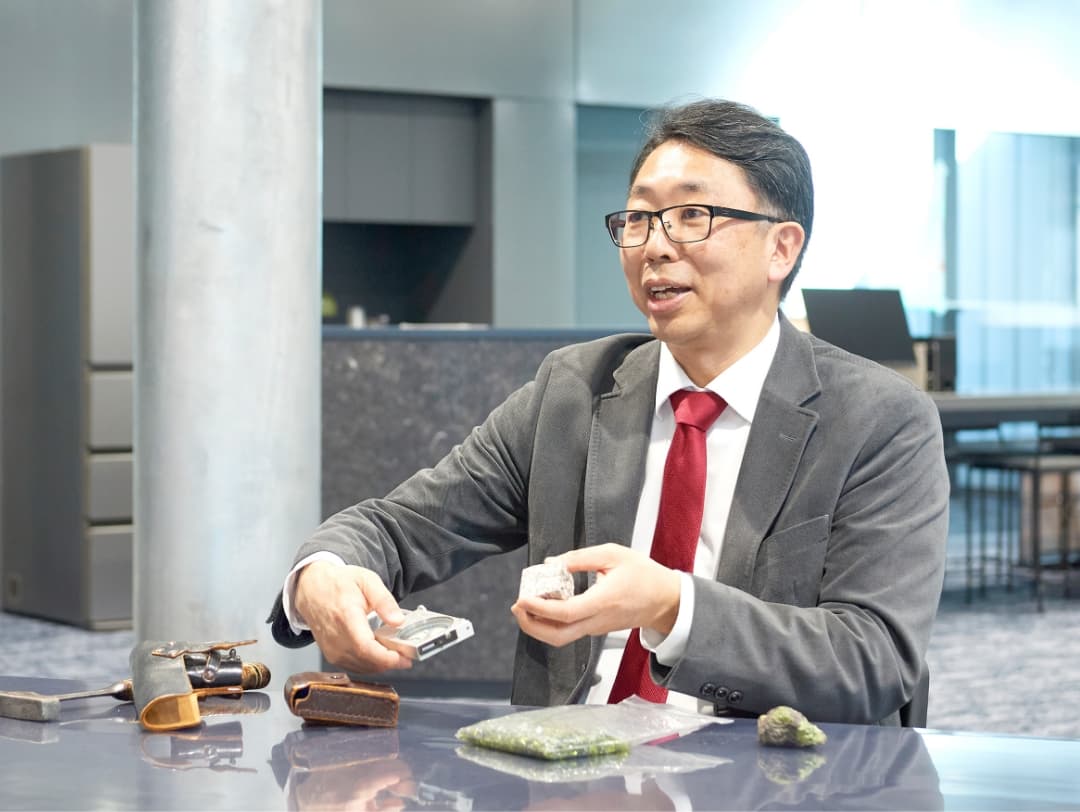
I believe this may be the first graduate school in Japan to offer a framework for studying science, engineering, and management together within a single graduate school.
A curriculum that allows students to learn alongside faculty members from diverse backgrounds as part of one large team is a truly distinctive feature.
-
SAIKI -
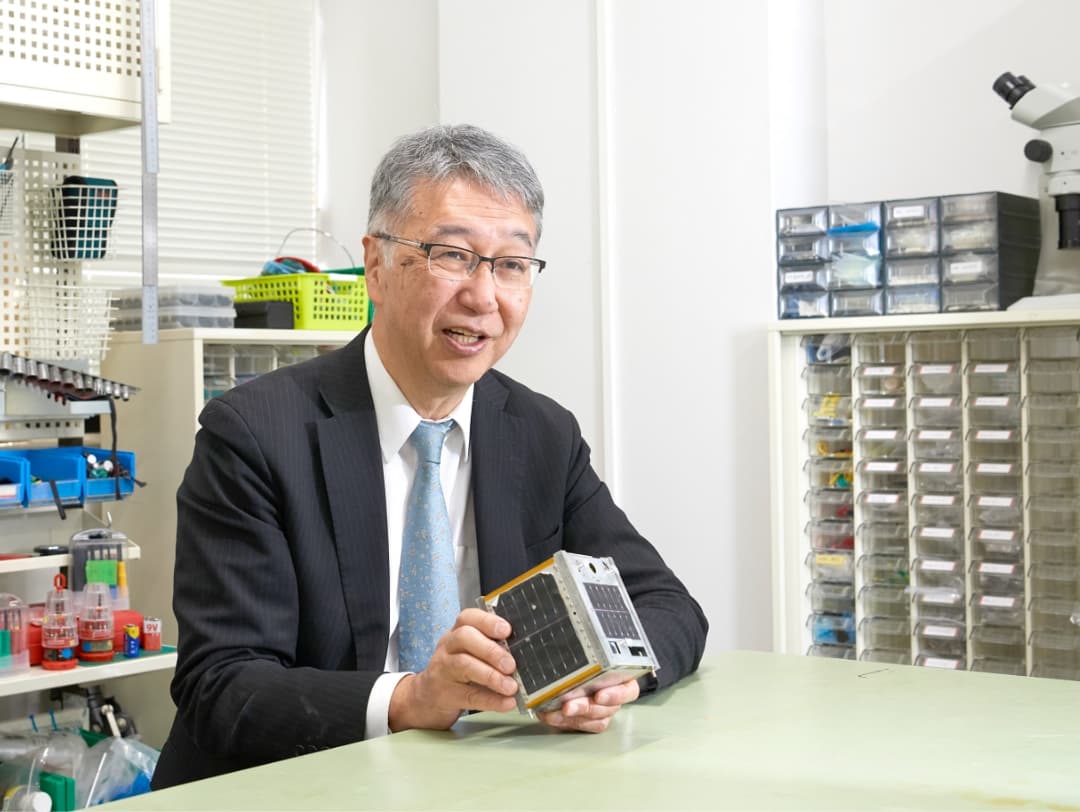
My expertise is in minerals and rocks, but I found myself having to develop observation instruments for lunar exploration. Since I had never studied instrument development systematically, I had to acquire the necessary knowledge and skills through a great deal of trial and error in the field. I faced similar difficulties with project management.
At the Graduate School of Frontier Exploration in Earth and Space, I hope to draw on these experiences to develop a curriculum that covers science, engineering, and management while providing intensive, highly focused learning in a relatively short period of time. Our goal is to cultivate people who can successfully carry out real exploration projects.
-
NAKASUKA -
Interaction between engineering and science is extremely important. For example, when developing a sensor for observation, wouldn't someone with an understanding of the science behind it be better equipped to create something suited to its intended purpose?
-
SAIKI -
Exactly.
In a field like space, which brings together people from a wide range of disciplines, it's also important to know people who have knowledge outside your own area of expertise.
Graduates of the Graduate School of Frontier Exploration in Earth and Space, each with their own area of specialization, will go on to play important roles in various sectors of society.
I think knowing that you have a colleague somewhere who is an expert in a particular field will be a tremendous asset even after you enter the workforce.
-
NAKASUKA -
In Professor Kobayashi's field of construction, you need to work with a wide range of people and organizations, including legal experts and government agencies such as the Ministry of Land, Infrastructure, Transport and Tourism. Wouldn't the same be true in space?
-
KOBAYASHI -
Absolutely. Construction is an integrated field that combines technologies and knowledge from many different disciplines. It's also extremely important to establish the necessary laws and regulatory frameworks and consider how they can be implemented into society.
In that respect, I think there are many parallels with carrying out space projects, which also bring together people from diverse fields.
#4 FRONTIER
With the graduate school’s emphasis on project-based learning,
students will have opportunities to participate in actual space missions.
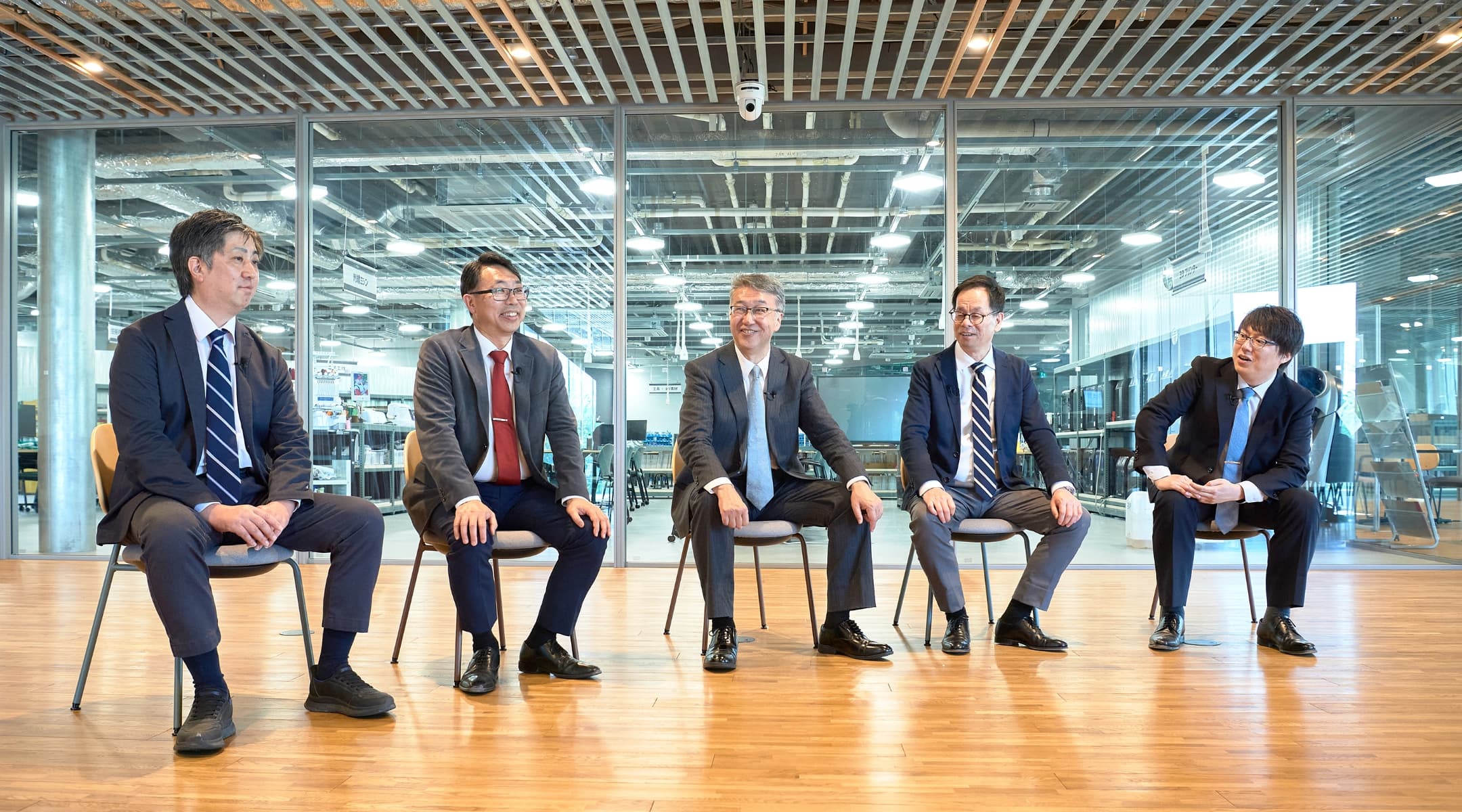
-
KOBAYASHI -
Another major feature of the Graduate School of Frontier Exploration in Earth and Space is its emphasis on learning through projects rather than theory alone, incorporating experiments, projects, and fieldwork into the curriculum. Specifically, students will have opportunities to engage in fieldwork, conduct joint research with companies, and participate in actual space missions.
These projects will bring together students from a variety of undergraduate backgrounds to work as a team, but this kind of highly practical learning will become an asset when it comes time to pursue real-world applications.
-
NAKASUKA -
The idea is for students to first build a solid foundation through classroom instruction and then develop practical skills through project-based learning.
-
SAIKI -
I think another extremely important feature of this graduate school is that many of its faculty members have participated in actual national space projects, ranging from Earth-orbiting missions to space exploration.
Could you tell us about some of the projects you've been involved in?
-
NAKAUCHI -
I've been involved in the Hayabusa 2 project since I was a graduate student. I watched the project take shape and progress right before my eyes.
Whenever data came in, there would be intense discussions in English.
At first, nobody would back down from their own position, but in the end they managed to reach a genuine consensus. I learned a great deal from witnessing these exchanges firsthand.
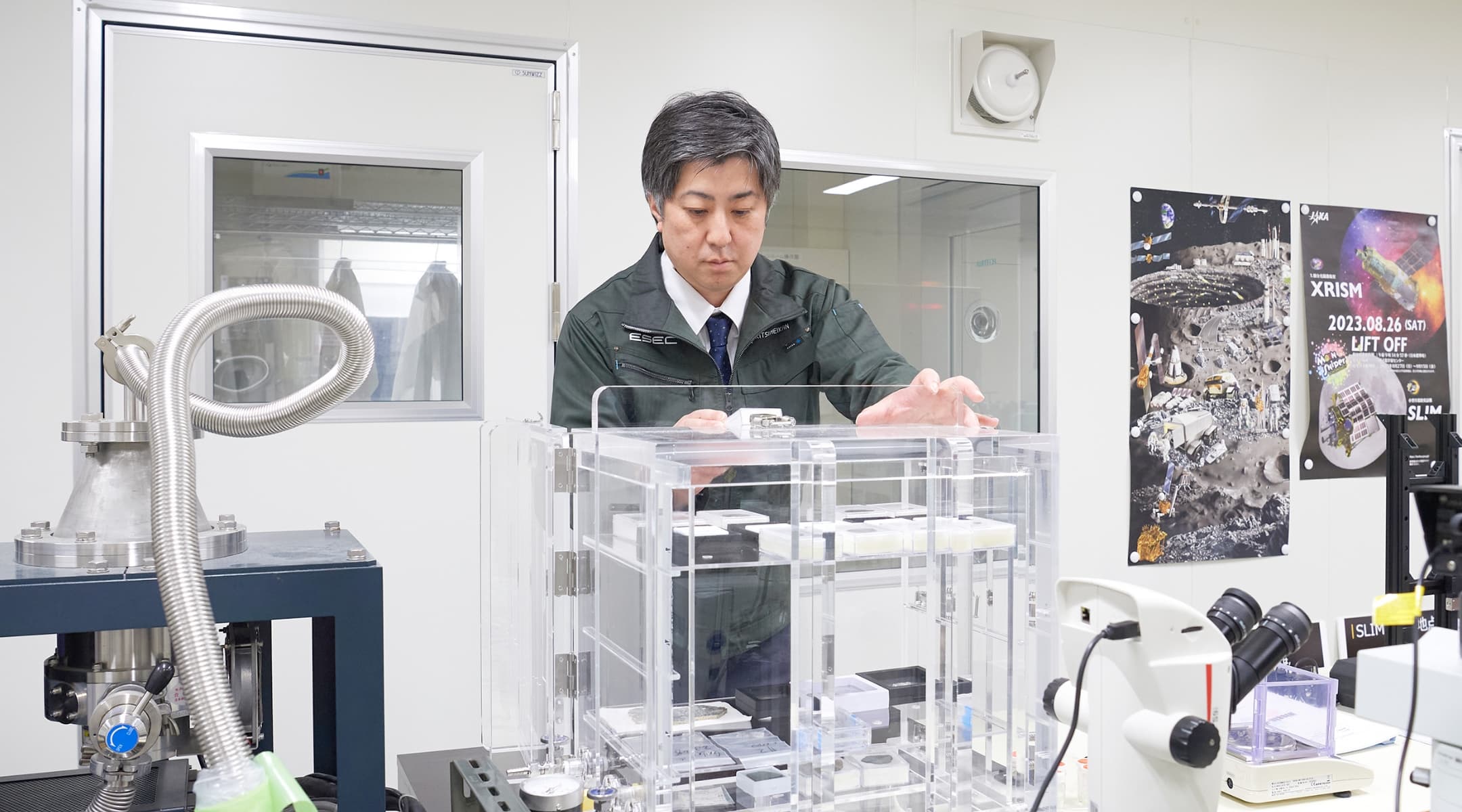
I later became a research and development member of the Smart Lander for Investigating Moon (SLIM) project. I'm currently involved in the Lunar Polar Exploration Mission (LUPEX), and the next mission, LUNAR-RABBIT, which will explore lunar resources, has just begun.
Until now, our projects have focused on reaching the Moon, but we will also be setting our sights on Mars. With this in mind, we are developing technologies for use on the Moon with an eye toward eventually applying them to Mars.
-
KOBAYASHI -
I have also been involved in research aimed primarily at constructing bases on the Moon for some time.
Even on Earth, before constructing a building, it is essential to investigate the geological strata, ground hardness, and other conditions.
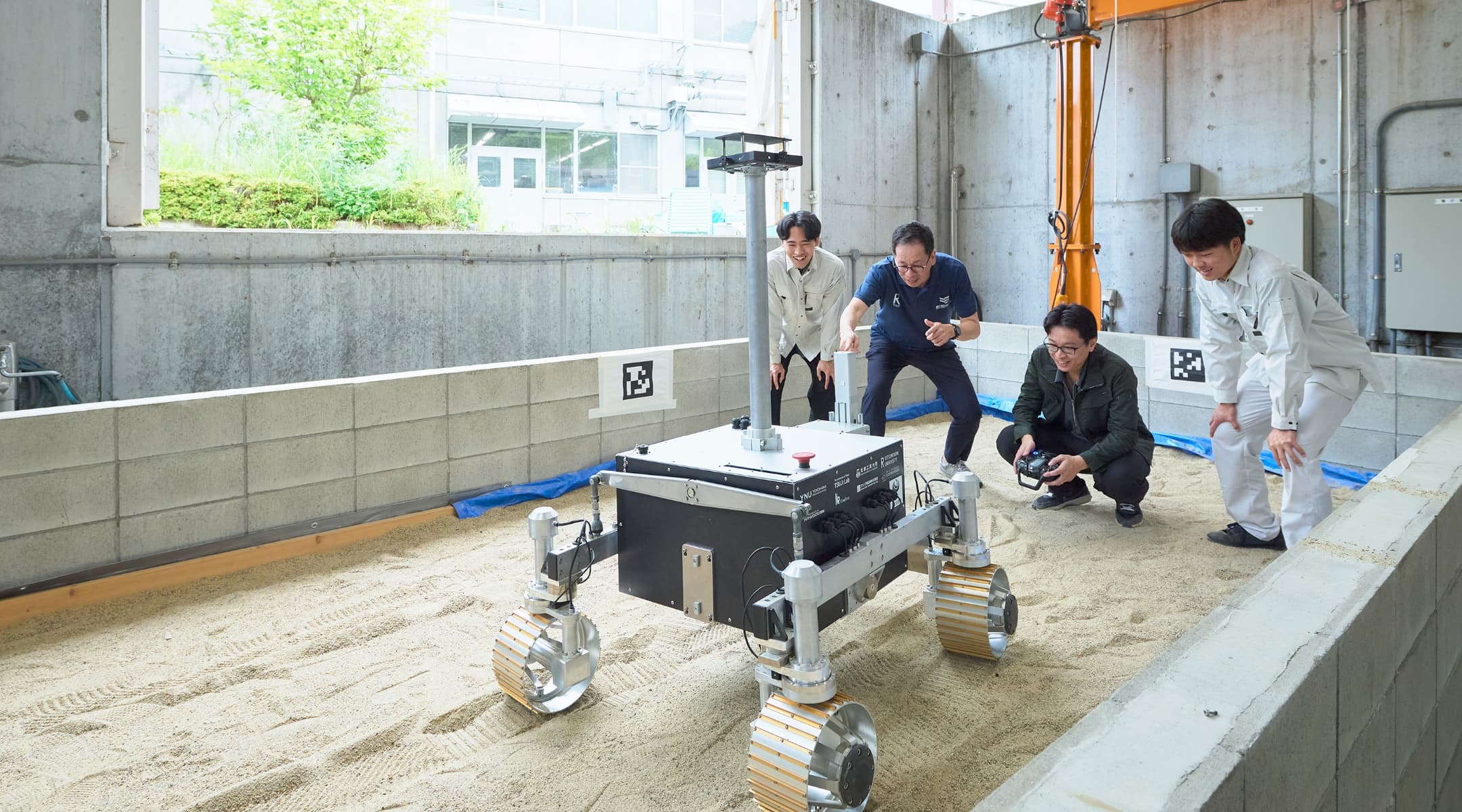
Believing that the same process will be necessary on the Moon, I am currently developing equipment for geotechnical investigations on the lunar surface.
I am also participating in a project to install a compact geotechnical investigation device on a lunar lander scheduled to be launched by a private American company in 2027.
Under the second phase of the Space Strategy Fund, we are developing a more advanced geotechnical investigation device, with the aim of launching it around 2030.
As we begin designing and constructing lunar bases based on the results of these geotechnical investigations, even more issues are likely to emerge. At the Graduate School of Frontier Exploration in Earth and Space, I hope to pursue research aimed at addressing these issues while collaborating with a wide range of disciplines and organizations.
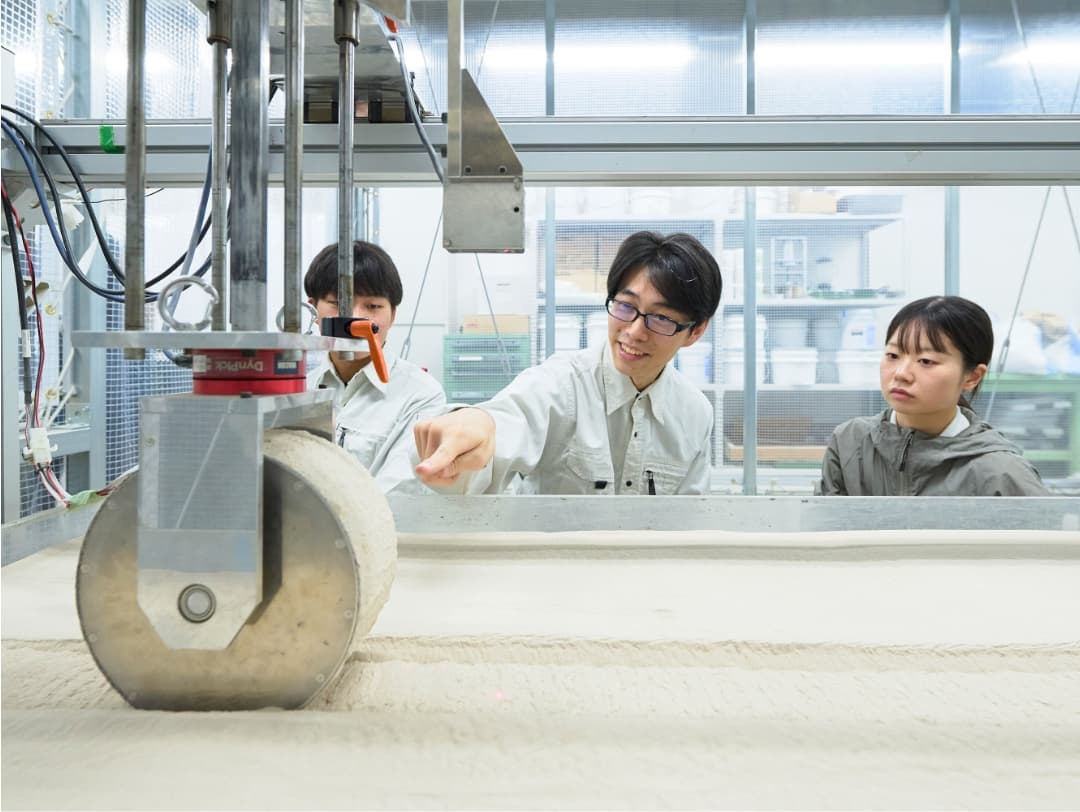
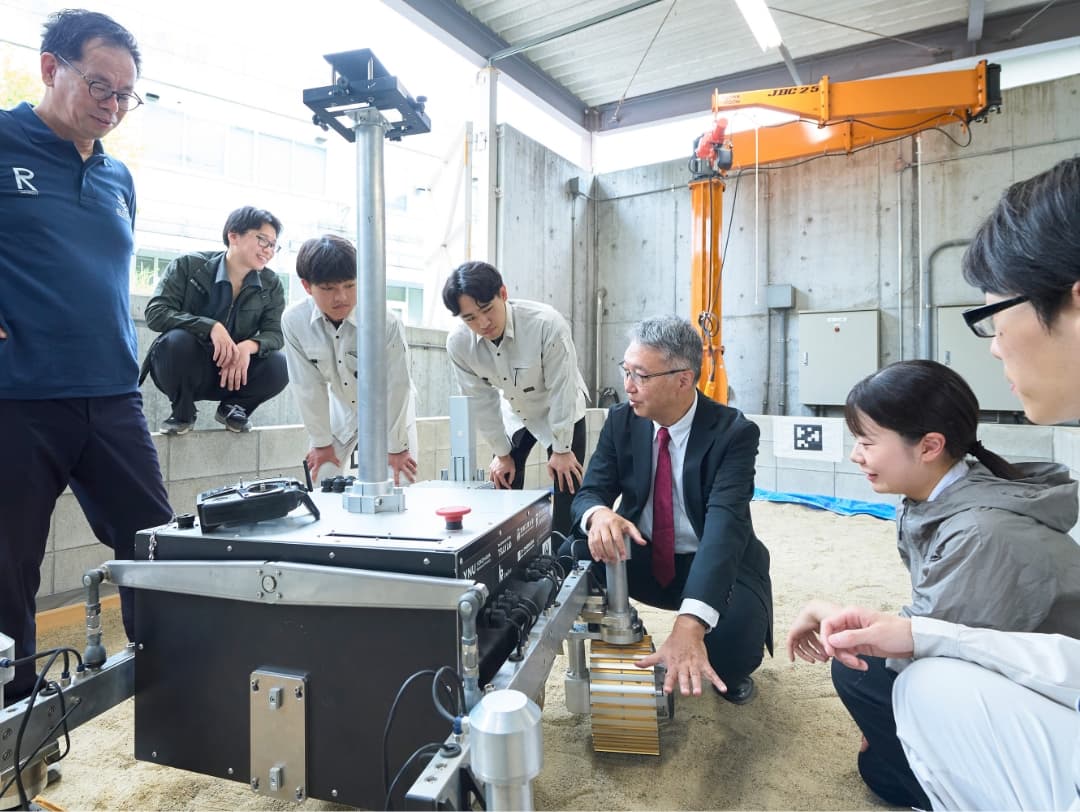
* The rover was developed as part of the Ministry of Land, Infrastructure, Transport and Tourism’s “Space Construction Innovation Project.”
-
NAKASUKA -
Since launching the world's first 1 kg microsatellite in 2003, I have been involved in the development, launch, and operation of 16 microsatellites weighing 100 kg or less.
As we explored various ways to utilize these microsatellites, five satellite development startups were established, and their commercial applications have continued to expand rapidly.
At Ritsumeikan University, I hope to continue working with students to pioneer new applications for microsatellites in partnership with various companies.
-
SAIKI -
As a student, I studied meteorites to investigate how asteroids and planets formed, but I entered the field of space exploration after being invited to join the Hayabusa project.
I've always been fascinated by magma, so after I first became involved in lunar exploration through JAXA's KAGUYA lunar exploration mission, I went on to participate in several other lunar exploration projects.
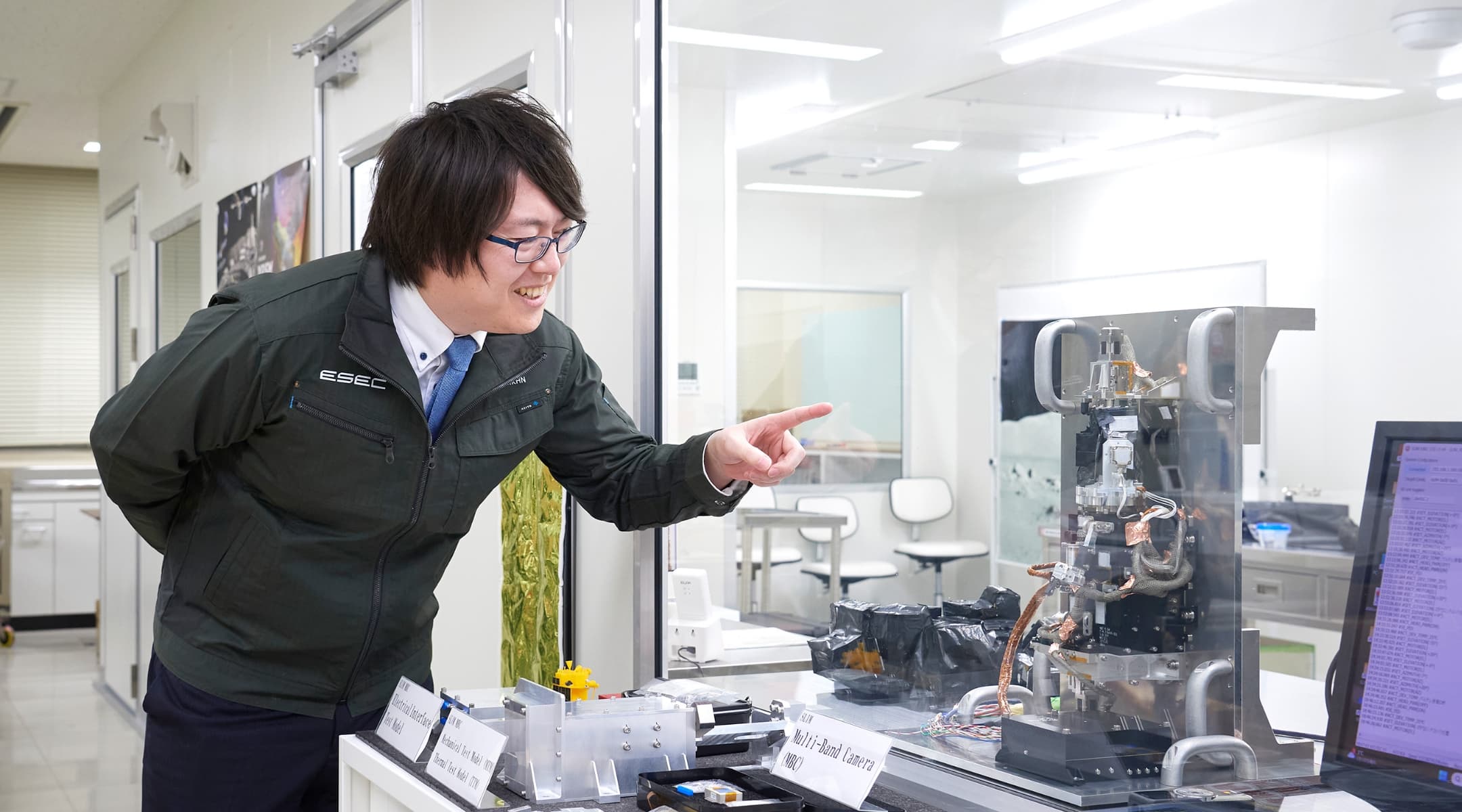
I served as the development leader for the multiband spectroscopic camera aboard the SLIM, and currently, I am leading the development of observation instruments for the LUPEX, which is scheduled for launch in fiscal 2028.
-
NAGAOKA -
I first became involved in JAXA's KAGUYA lunar exploration mission as a student and later participated in the SLIM project.
I am currently developing exploration instruments for the LUPEX, which aims to investigate water resources on the Moon, and the LUNAR-RABBIT lunar resource exploration project, which is being carried out under the Space Strategy Fund (Phase II).
My original area of expertise was the analysis of lunar meteorites, so in the future, I would like to pursue a project to collect lunar rocks from any desired site on the Moon's surface and bring them back to Earth.
-
SAIKI -
The Graduate School of Frontier Exploration in Earth and Space brings together faculty members with extensive experience working on major space projects.
These kinds of projects are led primarily by Ritsumeikan University's ESEC, and since all of us are members of ESEC, we hope to apply the findings of these projects to both research and education in the graduate school.
The Graduate School of Frontier Exploration in Earth and Space plans to bring together 15 to 20 faculty members, including ourselves, to cultivate people who can contribute to a wide range of projects involving the Moon, Mars, Earth, and beyond. There is a lot to look forward to, so be sure to stay tuned!