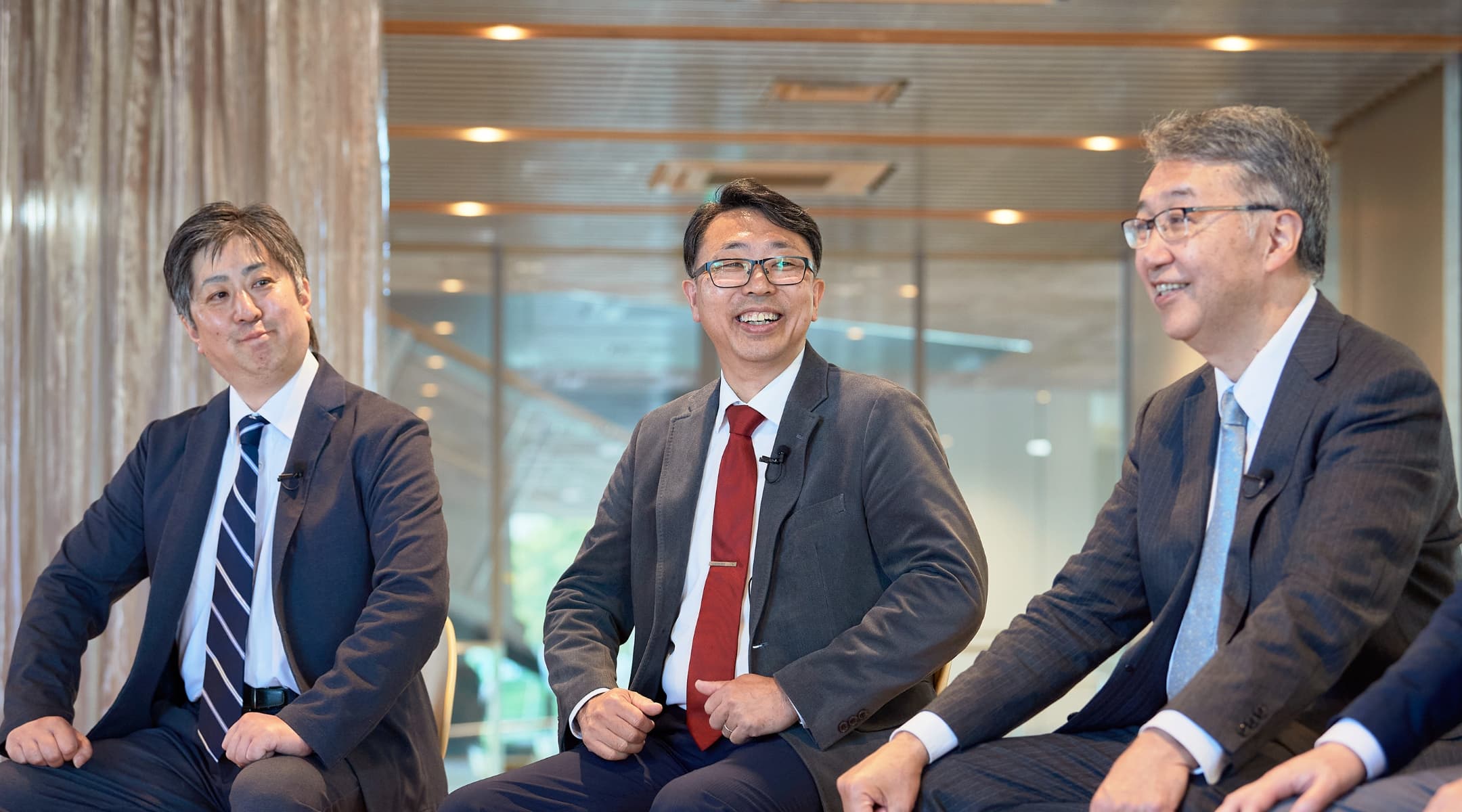
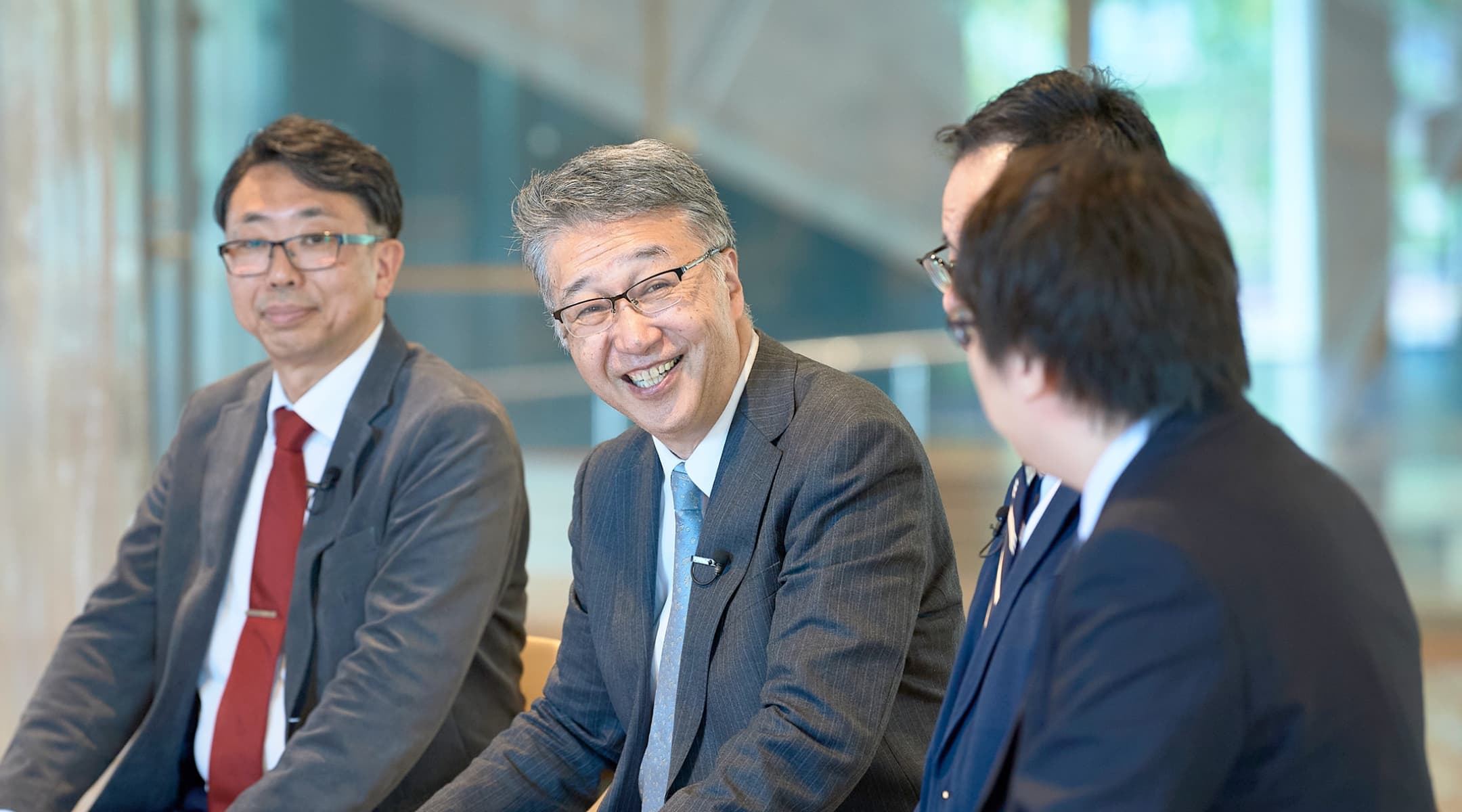
Roundtable
SPECIAL

What can you become by studying at the Graduate School of Frontier Exploration in Earth and Space?
“Participating in space missions,” “Engaging in discussions with people from diverse cultural backgrounds every day,” “Becoming someone who can leverage their strengths in a wide range of fields”
BACKGROUND
What will your daily life be like at the Graduate School of Frontier Exploration in Earth and Space, and how will the experience help you grow?
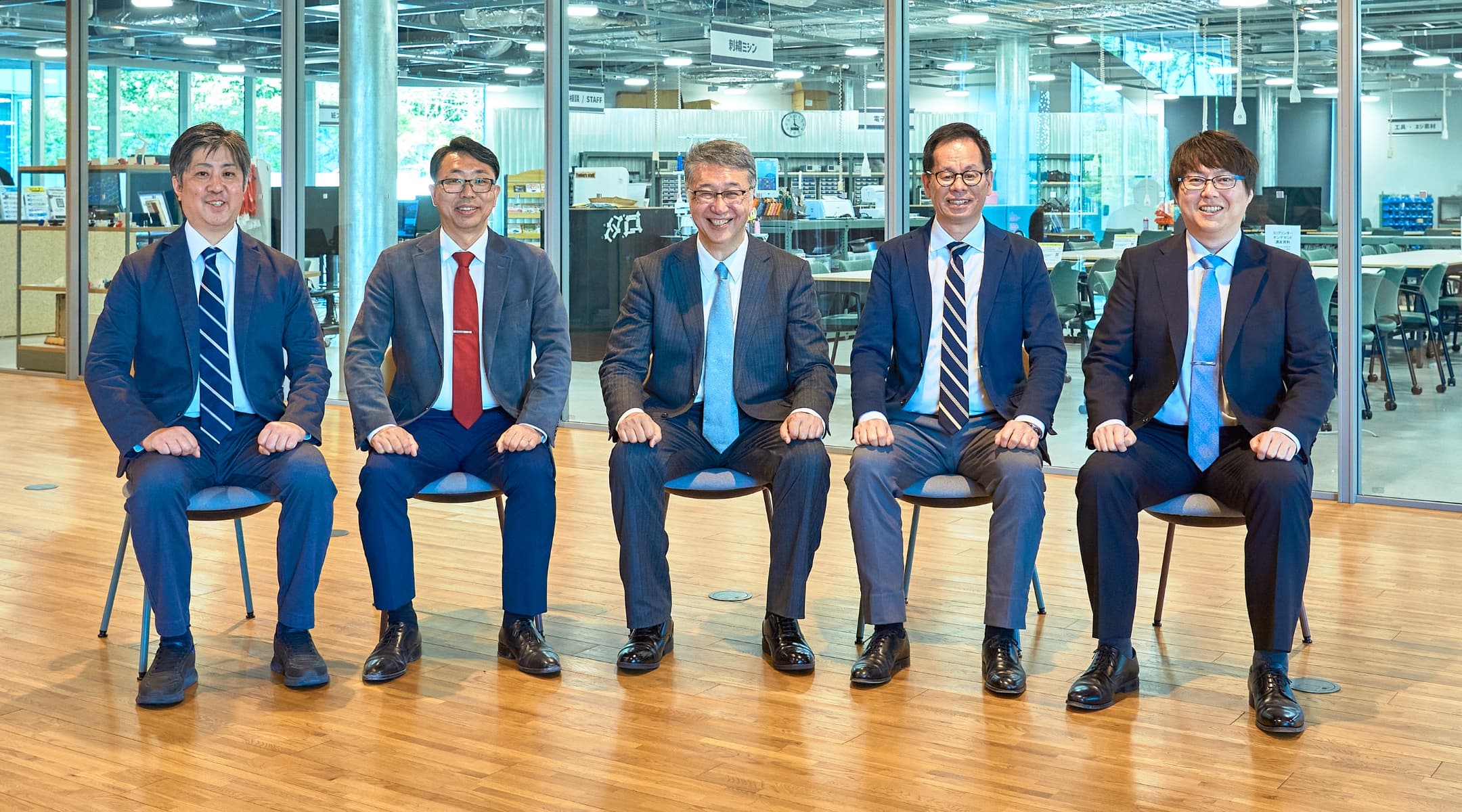
We asked five faculty members who are scheduled to join the graduate school to talk about this in detail.
-
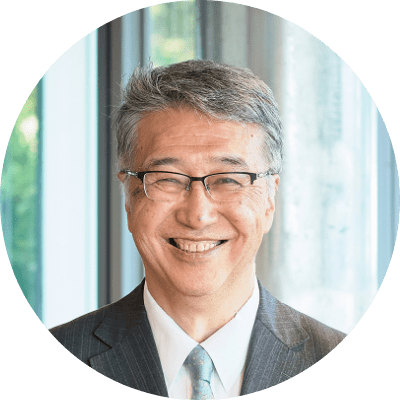
Shinichi NAKASUKA
April 2026~: Professor, Research Organization of Science and Technology, Ritsumeikan University; Special Aide to the President.
April 2028~: Scheduled to assume the position of Dean of the Graduate School of Frontier Exploration in Earth and Space -
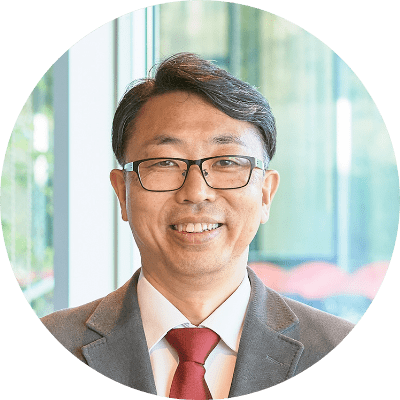
Kazuto SAIKI
Professor, Research Organization of Science and Engineering, Ritsumeikan University Director, Earth & Space Exploration Center (ESEC)
-
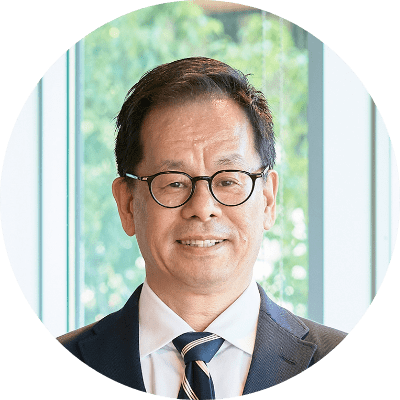
Taizo KOBAYASHI
Professor, College of Science and Engineering, Ritsumeikan University Deputy Director, Earth & Space Exploration Center (ESEC)
-
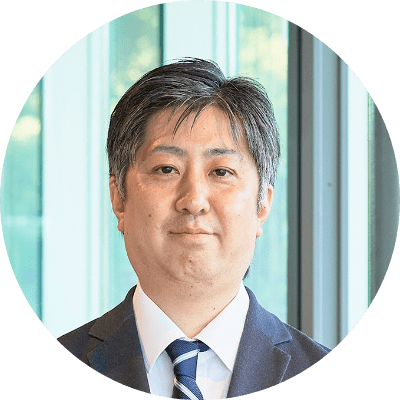
Hiroshi NAGAOKA
Associate Professor, Research Organization of Science and Engineering, Ritsumeikan University, Associate Professor, Research Organization of Science and Technology, Ritsumeikan University; Member, Earth & Space Exploration Center (ESEC)
-
Yusuke NAKAUCHI
Associate Professor, Research Organization of Science and Engineering, Ritsumeikan University, Research Organization of Science and Technology, Ritsumeikan University; Member, Earth & Space Exploration Center (ESEC)
What can you become by studying at the Graduate School of Frontier Exploration in Earth and Space?
CHAPTER
-
VIEW
#1
Opportunities to participate in actual lunar exploration missions
-
VIEW
#2
An environment where even those without experience in the space sector can pursue the research they want to undertake
-
VIEW
#3
If you're aiming for space, you should start by gaining project experience in Earth's natural environments
-
VIEW
#4
Reaching a common understanding through discussions with people from different cultural backgrounds is a valuable experience that will benefit students in the future.
-
VIEW
#5
Those who have studied space have unique strengths to offer not only in the space sector, but across a wide range of fields on Earth
-
VIEW
COLUMN#1
What is the atmosphere like in the laboratories?
-
VIEW
COLUMN#2
What kind of mindset is required?
- VIEW MESSAGE
#1 FRONTIER
Opportunities to participate in actual lunar exploration missions
Theme
What kinds of research can students undertake when they join your laboratories after enrolling in the Graduate School of Frontier Exploration in Earth and Space?
-
KOBAYASHI -
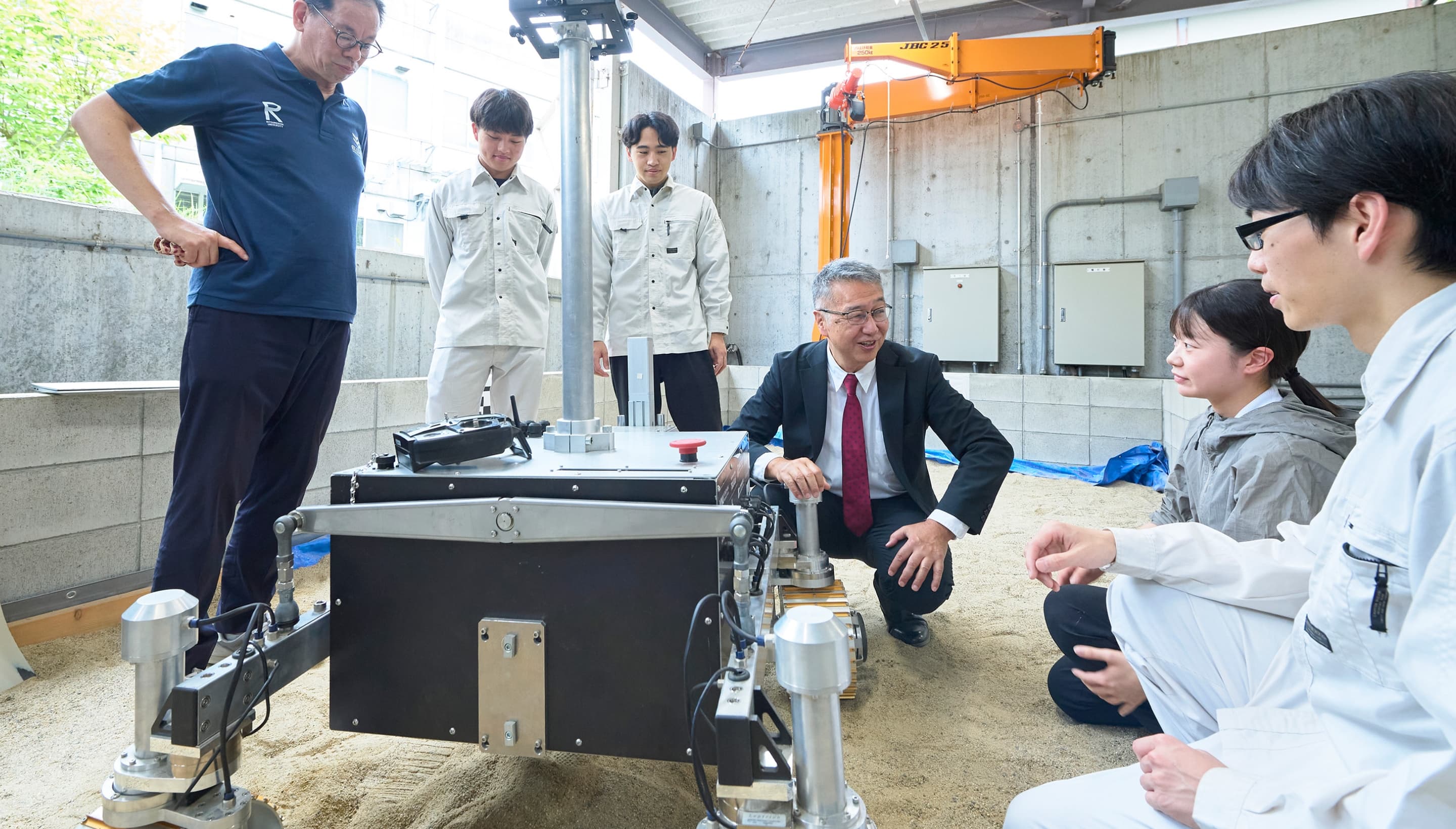
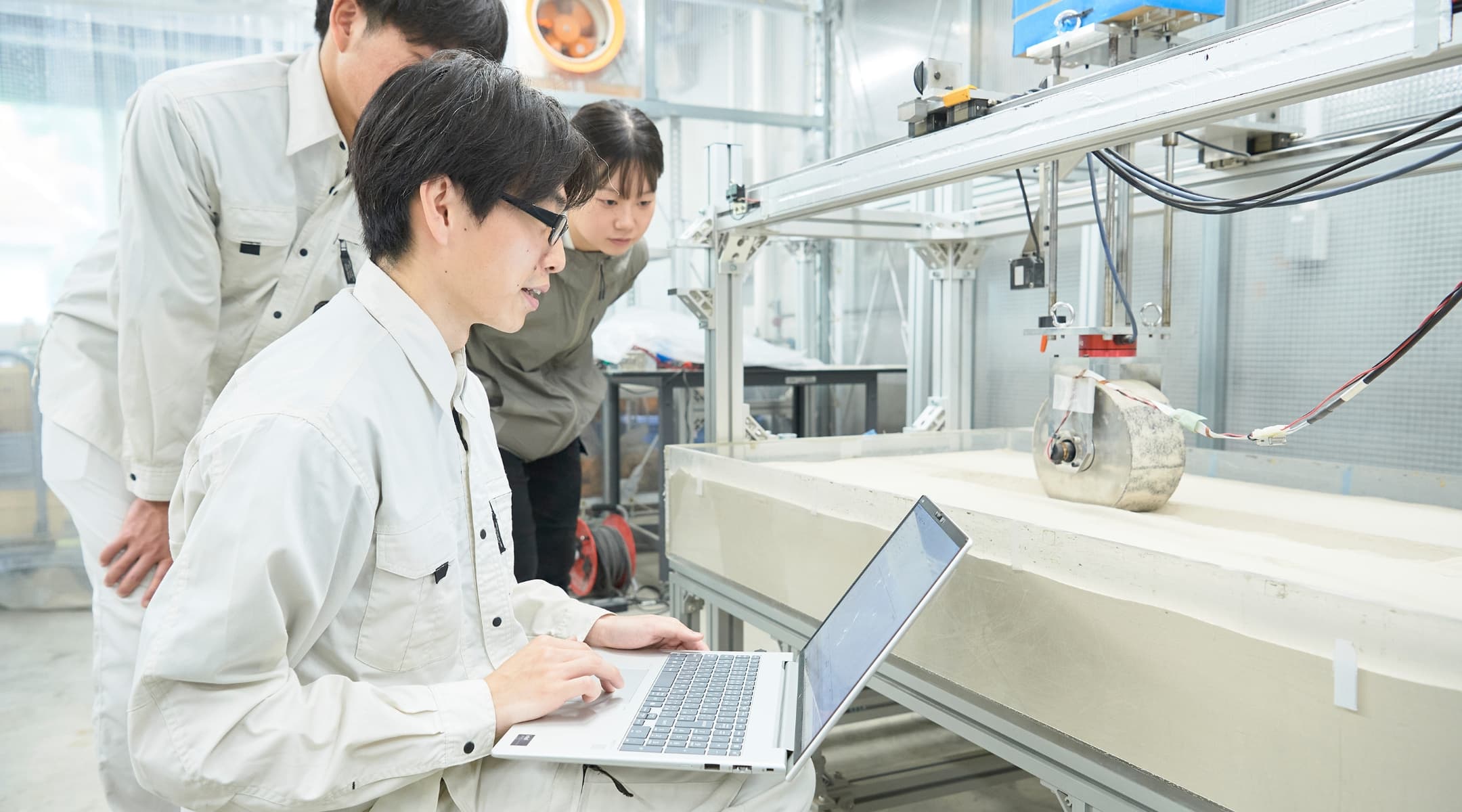
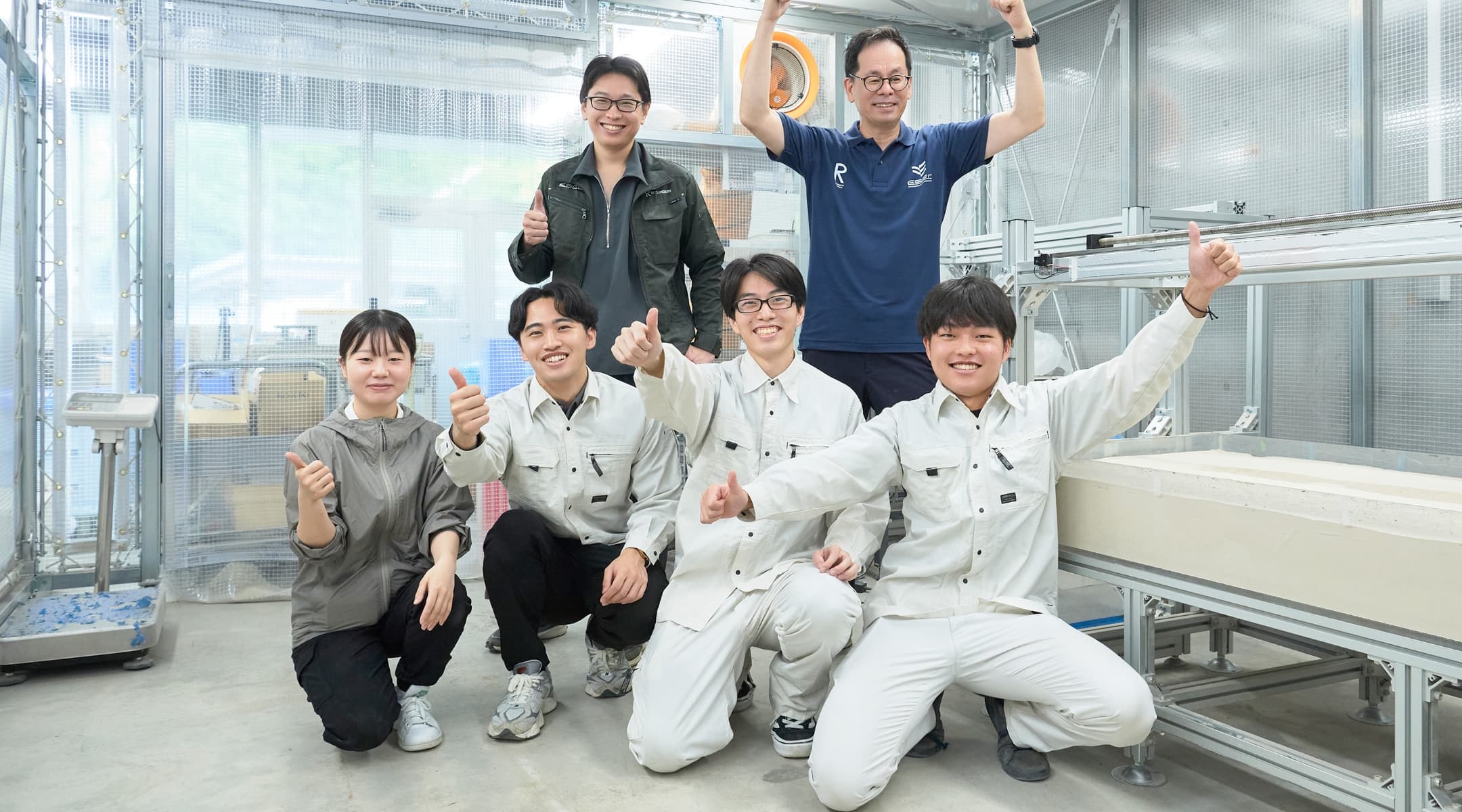
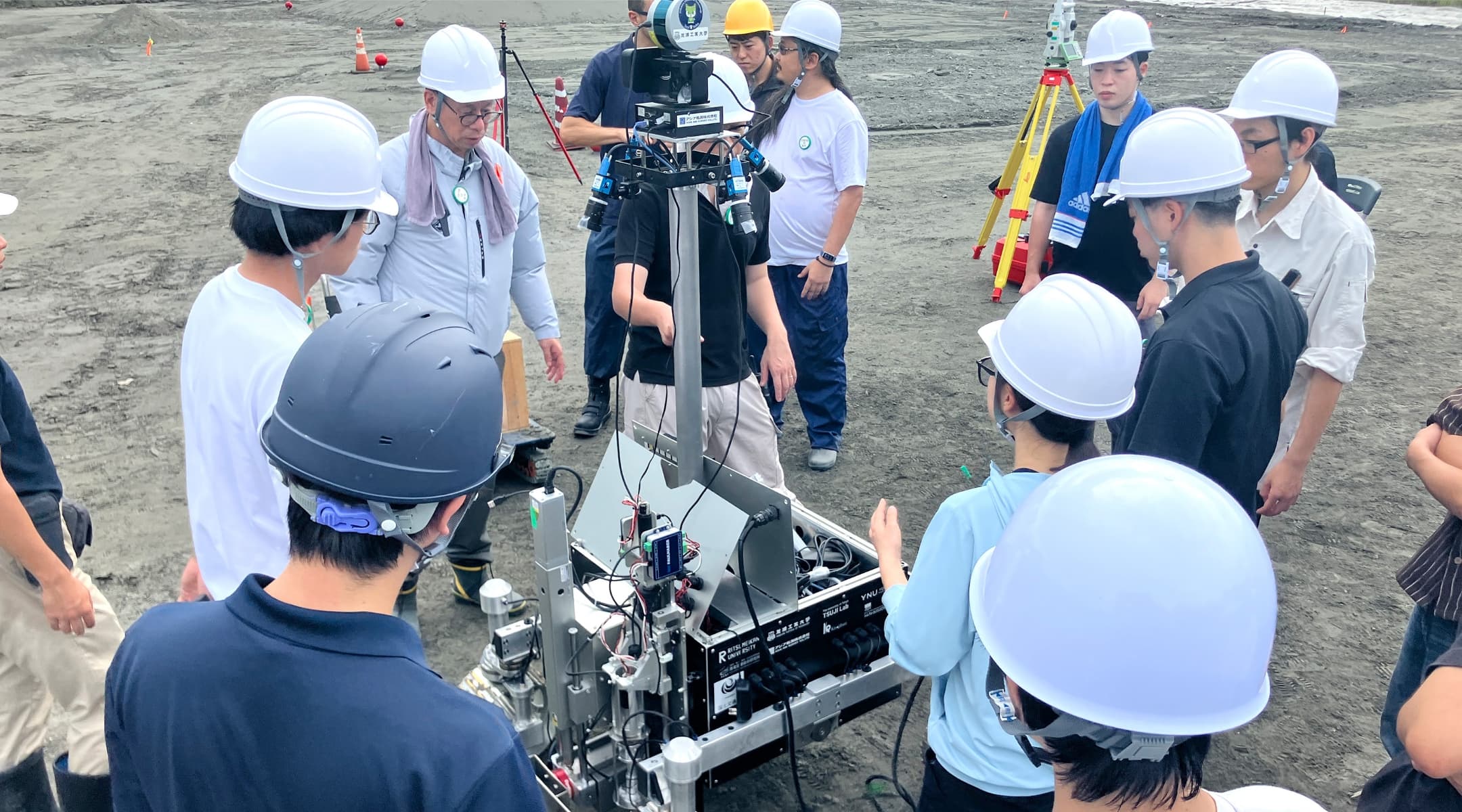
My specialty is civil engineering, and I am currently researching the technologies needed to construct bases on the Moon.
On Earth, severe labor shortages in the construction industry have made it increasingly urgent to automate construction machinery and develop automated, remotely operated infrastructure inspection systems. Since these technologies will also be essential for constructing lunar bases, we are developing technologies that can be used both on Earth and in space.
We also plan to have students participate in actual missions to demonstrate these technologies on the lunar surface.
-
NAKASUKA -
Since successfully developing the world's first 1 kg microsatellite, I have been involved in the development, launch, and operation of several other microsatellites.
These small satellites can be used for both commercial purposes and to benefit society.
In my laboratory, I hope to work with students to build satellites and explore new ways to utilize them.
-
NAKAUCHI -
I've been involved in planetary exploration since I was an undergraduate student, and I continue to focus on this field, particularly lunar exploration.
As we move toward an era when anyone can travel to the Moon and establish living spaces there, we will need to make information about materials on the lunar surface available in ways that anyone can understand and use. I'm developing observation instruments for this purpose.
On a personal level, I simply want to send a robotic extension of myself to the Moon and see the lunar landscape through its eyes. I hope to share the experience of seeing parts of the Moon that no one has ever seen before with the students who join my laboratory.
-
NAKASUKA -
Water has been discovered on the Moon. If we can access that water, it could be used to support human life and produce fuel for rockets launched from the Moon, which is a prospect that I find very exciting.
Dr. Nakauchi, would you like to develop Japan's first technology for extracting water from the Moon in your laboratory?
-
NAKAUCHI -
That's something I'm considering as well.
I believe water is constantly being produced on the Moon. We can reproduce the process of extracting that water in the laboratory, so it's something I intend to focus on going forward.
Lunar water resources are extremely important, so I want to keep pushing ahead without slowing down.
-
NAGAOKA -
In my laboratory, we aim to establish a system for analyzing lunar rocks , lunar meteorites, and regolith brought back by the Apollo missions using radiation analysis techniques. By gathering information about how these materials formed and what they are made of, we hope to make that information available to people working on lunar surface utilization.
When I was in my fourth year of undergraduate studies, the lunar orbiter KAGUYA was launched, and I was fortunate enough to participate in the orbital exploration mission. Since then, I have been involved in a variety of exploration missions, including the Smart Lander for Investigating Moon (SLIM) and the Lunar Polar Exploration Mission (LUPEX), which focuses on investigating water resources.
Whether students have opportunities to participate in actual space missions during their studies depends greatly on the university and laboratory they belong to.
In my laboratory, I hope to create an environment where students can take part in a variety of ongoing missions.
-
SAIKI -
I have been involved in lunar exploration missions since the KAGUYA lunar orbiter, conducting research to understand where water on the Moon originated, how it moves, and where it has accumulated. Students will also have opportunities to participate in experiments.
We are also developing observation instruments to be sent to the lunar surface. When these instruments reach the lunar surface, it will be extremely important to determine what kinds of data should be collected and which information should be extracted from the enormous volumes of data available.
In my laboratory, I hope to cultivate students who can approach research with this kind of perspective.
#2 FRONTIER
An environment where even those without experience in the space sector can pursue the research they want to undertake
Theme
Can students pursue their own research interests at the Graduate School of Frontier Exploration in Earth and Space?
-
KOBAYASHI -
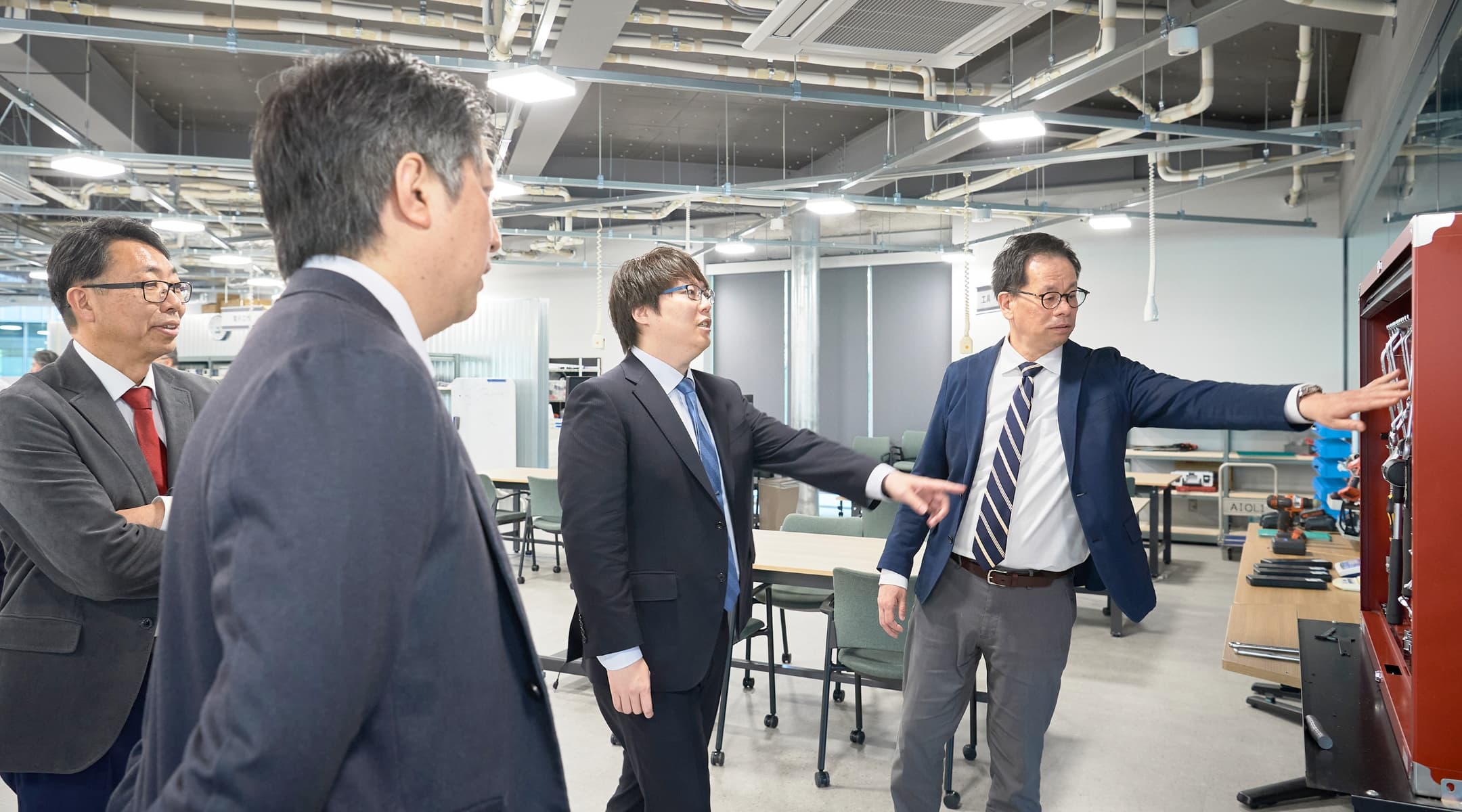
At the Graduate School of Frontier Exploration in Earth and Space, we want to welcome students from a wide range of backgrounds, not just those who have studied space engineering or Earth and planetary sciences.
We plan to offer on-demand courses in mathematics, physics, engineering, and science, creating an environment where students can study these subjects whenever they need to.
Although the graduate school will primarily focus on science and engineering, we will provide the support needed to ensure that even students who are not confident in their mathematics or physics skills can keep up with their studies.
-
NAKASUKA -
Space-related activities require knowledge from many different fields, but no one can be an expert in everything. Just as doctors can become astronauts, I encourage you to think about how you can apply the expertise you've gained in your own field to space.
Trying to accomplish something in space is much like solving a problem. If you realize you need physics, for example, you can study it through an on-demand course.
What's important is learning to combine your existing expertise with knowledge from other fields. By doing so, you'll be able to make a unique contribution. That's what we hope to see from students who enter this graduate school from other disciplines.
However, one thing you absolutely must have when you enroll is a strong desire to accomplish something in space.
Space missions take a long time to become a reality, so it's extremely important to maintain your determination to succeed all the way through.
-
KOBAYASHI -
What's important is developing the ability to identify the knowledge and skills you need and take the initiative to acquire them yourself.
We'll make sure a curriculum is in place to support you in doing just that, so I encourage you to take the plunge and join us!
COLUMN
How do you plan to interact with your students?
-
NAKASUKA -
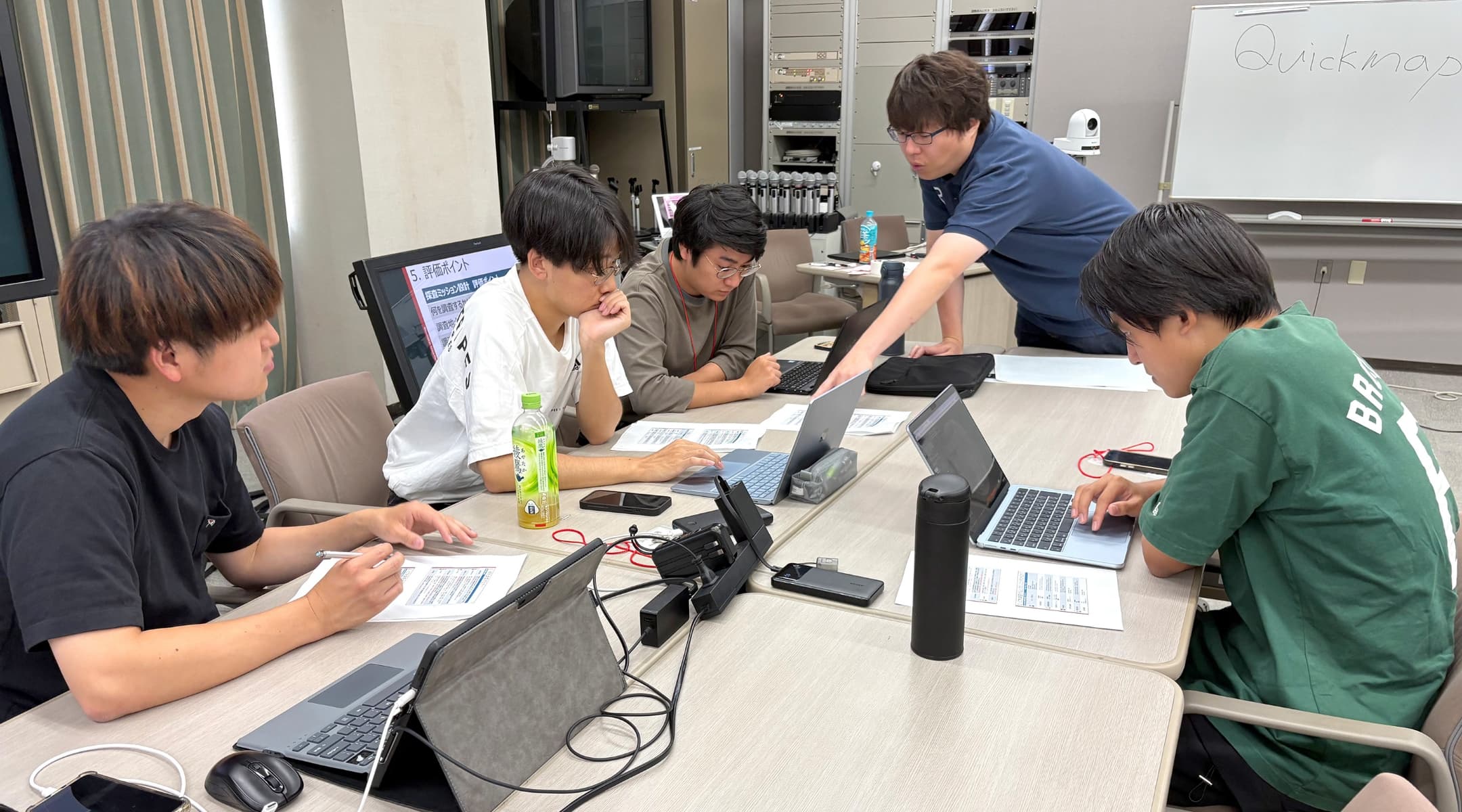
At my previous university, I used to eat with students in the campus cafeteria almost every day, and we would talk about all sorts of things.
Sometimes, ideas for projects would emerge from these casual conversations, or we would find solutions to problems we hadn't been able to solve. I'd like to continue having plenty of opportunities to talk with students in this way.
When working on projects, it's extremely important to have a close-knit team where everyone feels comfortable speaking their mind without holding back. That's the kind of atmosphere I want to create.
-
SAIKI -
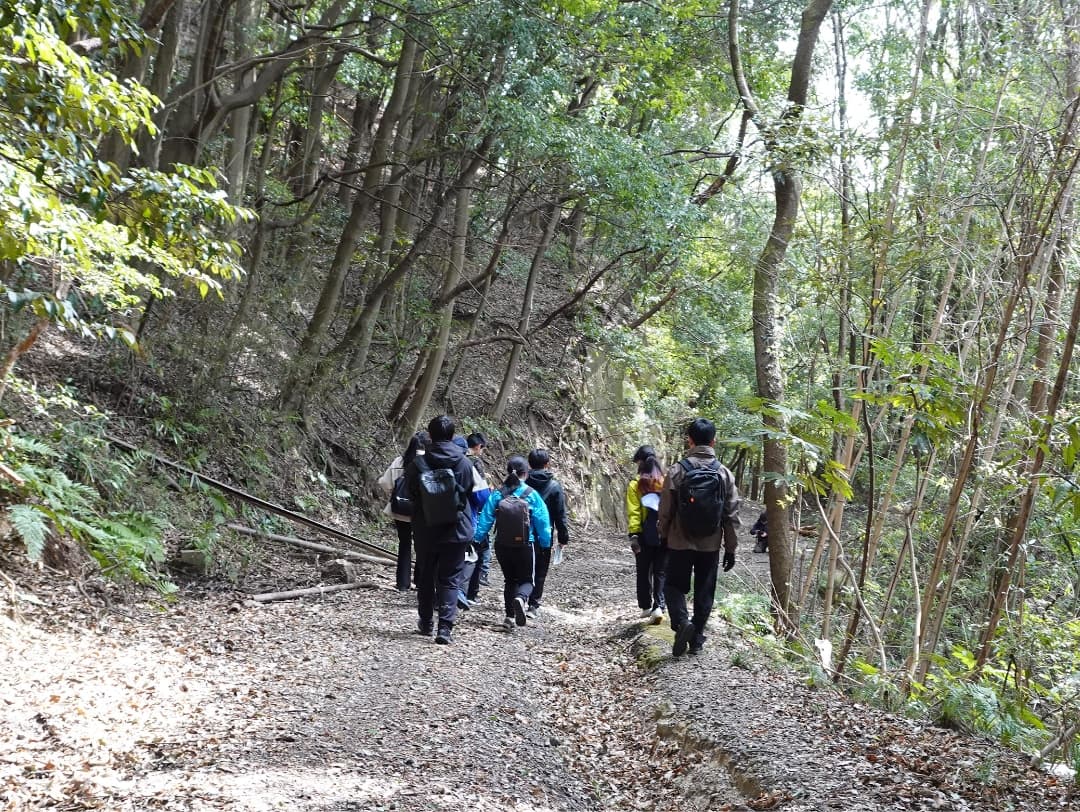
I think students in this graduate school will have many opportunities to visit natural environments as part of their studies. Walking through nature together and talking gives us a chance to share ways of observing the natural world and the excitement of research in ways that classroom teaching alone cannot convey.
I also really enjoy building stronger relationships with students through these shared experiences.
-
KOBAYASHI -
In my laboratory, we hold seminars in small groups, so I think I'll have plenty of opportunities to talk with each student individually.
Beyond our research in the lab, faculty members and students have many opportunities to connect through social gatherings and other activities. We interact closely on a daily basis, and I'd like to maintain that close relationship with students going forward.
-
NAGAOKA -
I plan to keep my laboratory door open at all times so that students can feel free to drop by whenever they like to ask questions or discuss their research.
-
NAKAUCHI -
When I was a graduate student, one thing I really appreciated was that whenever I approached my professor in the hallway, he would listen to me for as long as I needed to talk.
Even when I rushed into his laboratory with a question, he would stop what he was doing and listen, no matter how busy he was.
I want to create an environment where students feel comfortable approaching me, so please feel free to drop by my laboratory anytime.
What kind of mindset should students have when entering the doctoral program?
-
NAKASUKA -
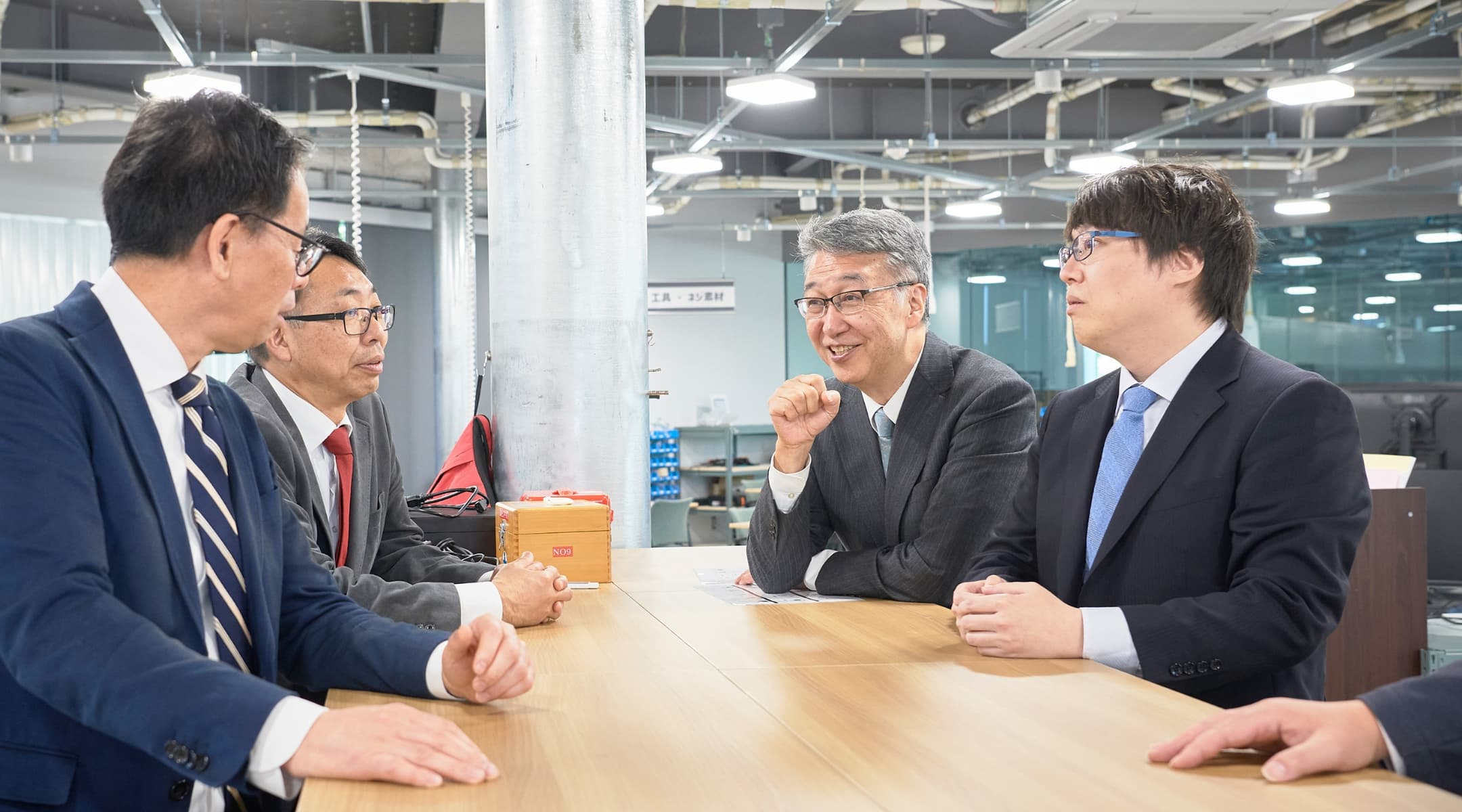
In a doctoral program, students are expected to identify research questions on their own, formalize them, and find solutions.
Doctoral students are required to discover new research questions that even their professors may not have considered, thereby expanding the boundaries of their academic disciplines.
-
SAIKI -
I think the master's program is a time to learn while searching for a research topic that you want to devote your life to.
The doctoral program, on the other hand, is for those who have a reasonably clear idea of the topic they want to pursue and enter with the ambition to explore it in depth, drawing on the university's facilities and the expertise of its faculty members.
-
KOBAYASHI -
Until now, the conventional career path for doctoral graduates has been to become researchers, but going forward, I think companies will increasingly seek people with doctoral degrees as well.
For those who want to work at companies that create new value through manufacturing, the experience of identifying new research questions and conducting research to address them will be a valuable asset.
I hope that students who want to pursue a career in business or the development of new technologies will enter the doctoral program.
-
NAKASUKA -
Internationally, doctoral-level professionals are people who have thoroughly mastered the process of tackling issues in any field: investigating what they don't understand, conducting experiments and simulations, and drawing conclusions from the results.
At the Graduate School of Frontier Exploration in Earth and Space, we aim to produce doctoral graduates who can apply these skills to any field or profession and make meaningful contributions on the global stage.
#3 FRONTIER
If you're aiming for space, you should start by gaining project experience in Earth's natural environments
Theme
What exactly does “project-based learning” involve?
-
KOBAYASHI -
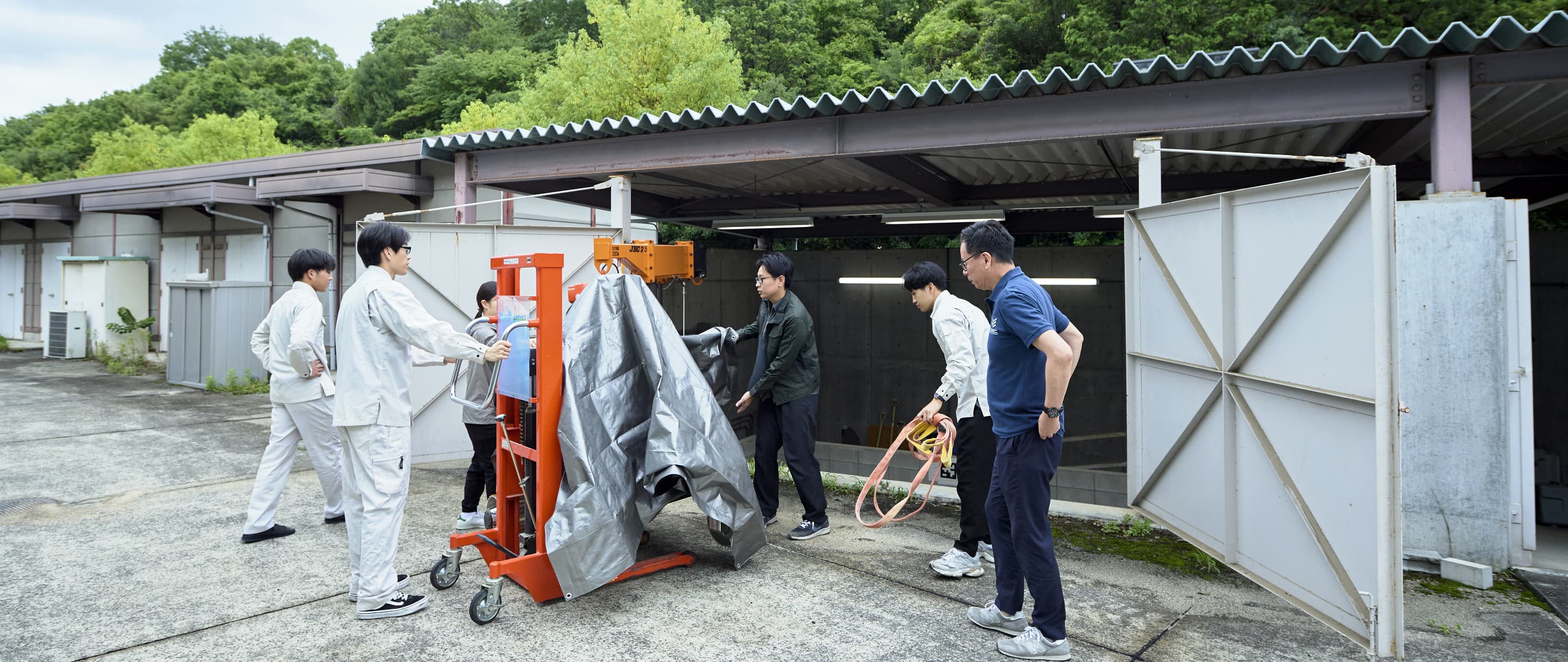
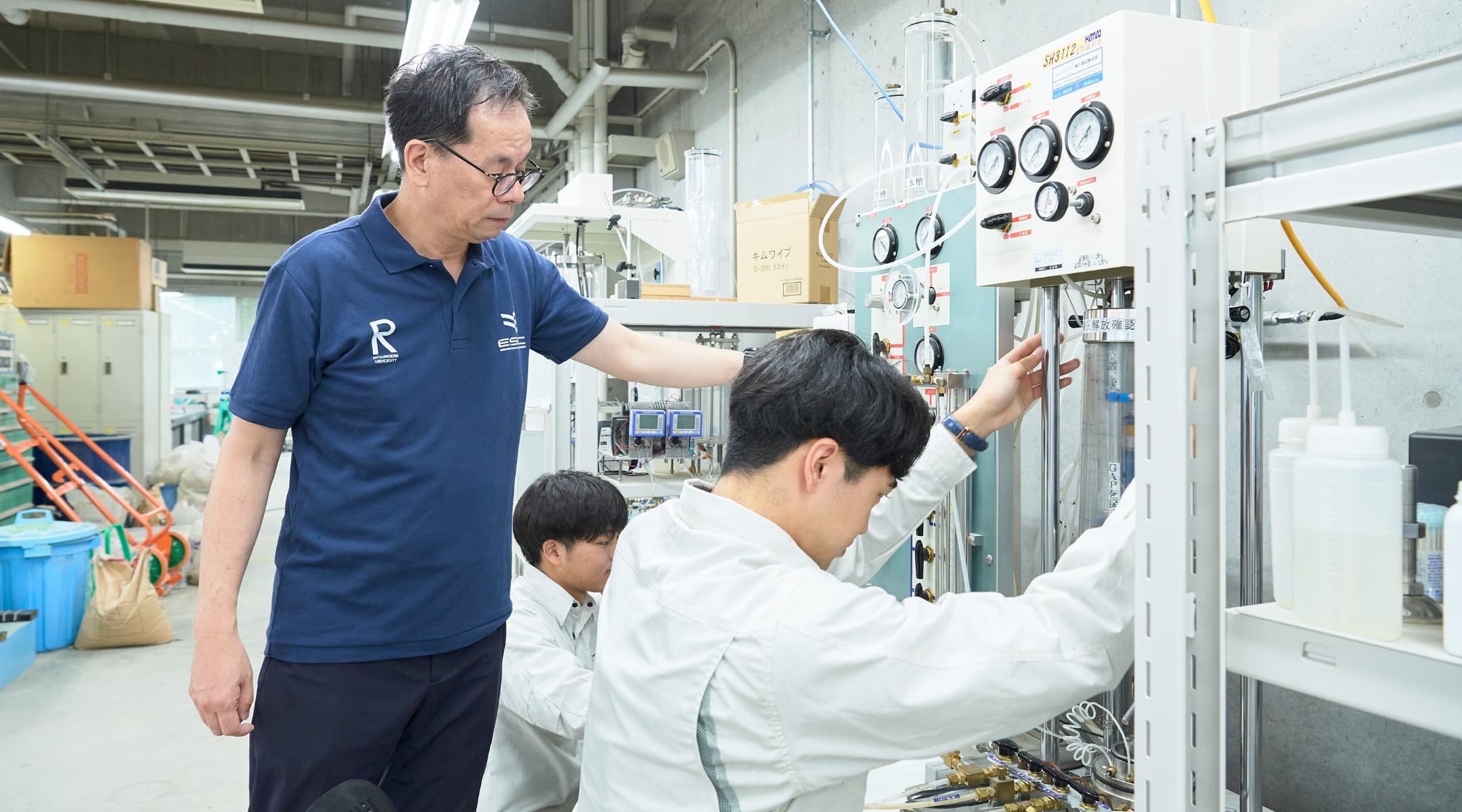
Students will have opportunities to experience fieldwork, joint research with companies, and national space missions as part of their studies.
These projects bring together students from a variety of undergraduate backgrounds to work as a team, so I think this kind of practical experience will be extremely valuable in helping students apply what they have learned to real-world situations.
The other professors will now introduce some specific examples.
-
NAKASUKA -
As part of their coursework, students will build their own CanSat, a small simulated satellite about the size of a beverage can. They will then deploy it from altitude and carry out a mission of their own design as it descends and lands.
I think it's extremely important for students to experience the entire process of figuring out how to implement their mission ideas into a system, gradually refining their designs through repeated testing, and ultimately conducting experiments in the field.
-
SAIKI -
I'd like to organize fieldwork activities at Lake Biwa, which is close to our campus. I want students to experience the harshness of nature firsthand.
Lake Biwa isn't as calm as a swimming pool. When the wind picks up, large waves can form. I'd like students to take on challenges such as keeping a robotic boat navigating steadily despite the effects of wind and waves in these natural conditions.
I'm also considering other practical projects in natural environments, such as equipping these boats with observation instruments that can be used to investigate environmental issues affecting Lake Biwa.
-
NAKASUKA -
Turning the robotic boat navigation exercise into a competition might really motivate the students. I'd love to do the same with CanSat!
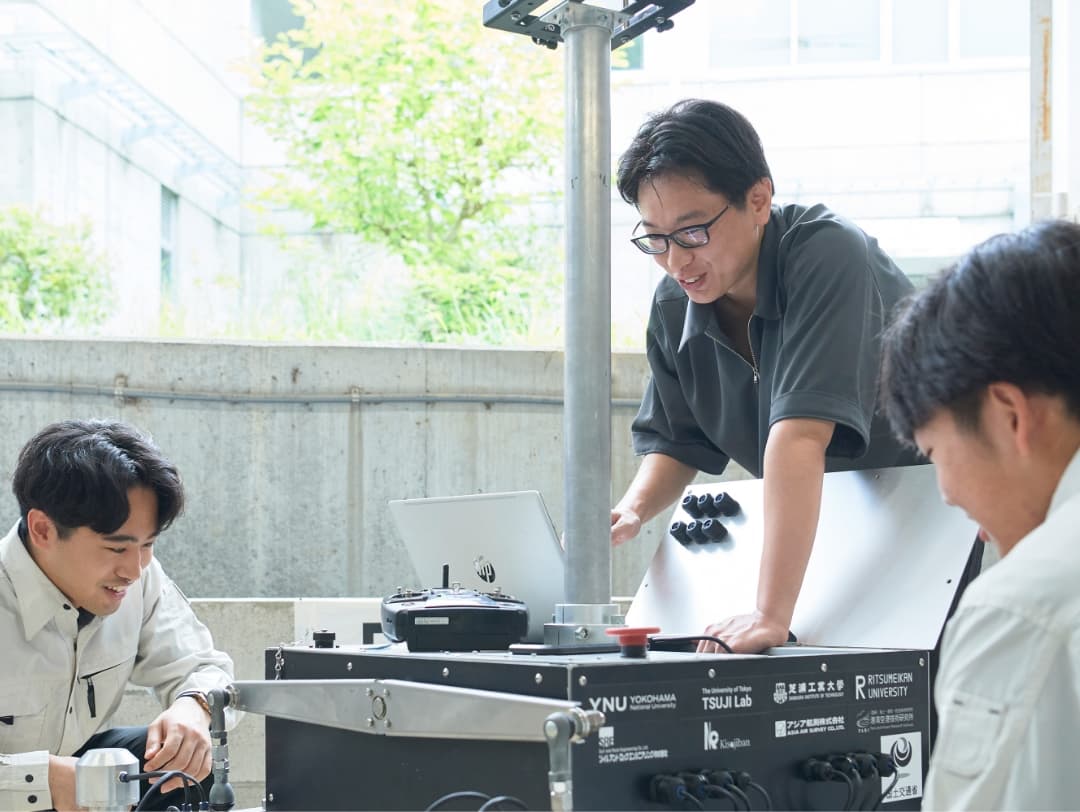
* The rover was developed as part of the Ministry of Land, Infrastructure, Transport and Tourism’s “Space Construction Innovation Project.”
-
SAIKI -
I want students who aspire to work in space to start by learning from the natural environments right here on Earth.
When the time comes to set foot on the Moon or Mars, those who have never explored nature on Earth may not know how to respond in such situations.
There is a great deal we can learn from nature on Earth, such as what precautions to take when working in volcanic areas and where to look to make important observations of the natural environment.
-
KOBAYASHI -
Even in science courses, fieldwork will likely incorporate technologies from engineering.
For example, when surveying terrain, as Professor Saiki mentioned, you first need to know your exact location. That's why students will also learn positioning techniques using technologies such as GPS.
When exploring for minerals, they may also drill to collect underground samples or use techniques known as geophysical exploration to visualize structures deep beneath the surface that cannot be seen from above ground.
-
NAKASUKA -
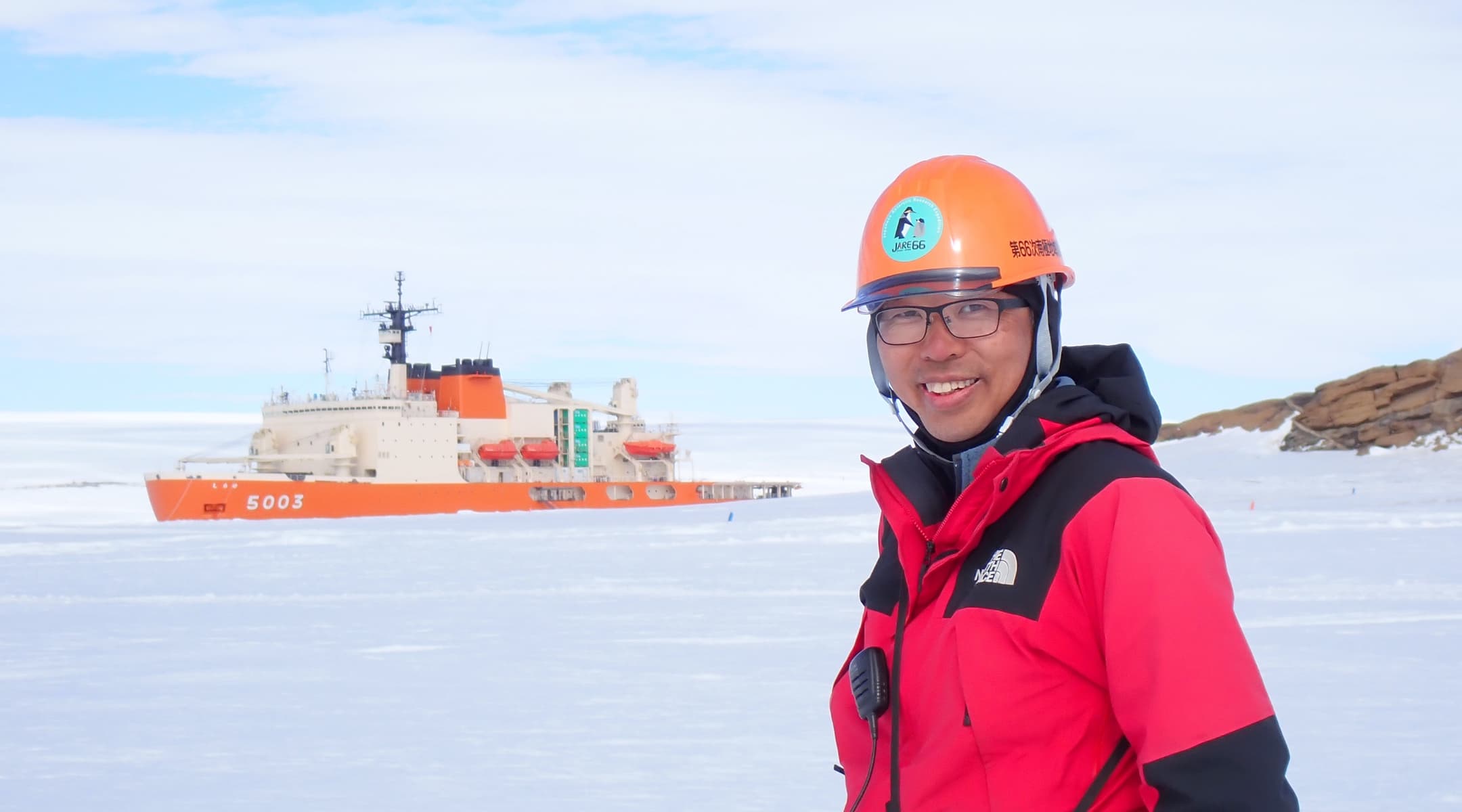
If you're aiming for space, the ultimate field environment, you should first gain plenty of hands-on experience here on Earth.
Things rarely go exactly as planned in the field. I want students to repeatedly experience the process of identifying ways to make improvements and managing a project as a whole.
#4 FRONTIER
Reaching a common understanding through discussions with people from different cultural backgrounds is a valuable experience that will benefit students in the future.
Theme
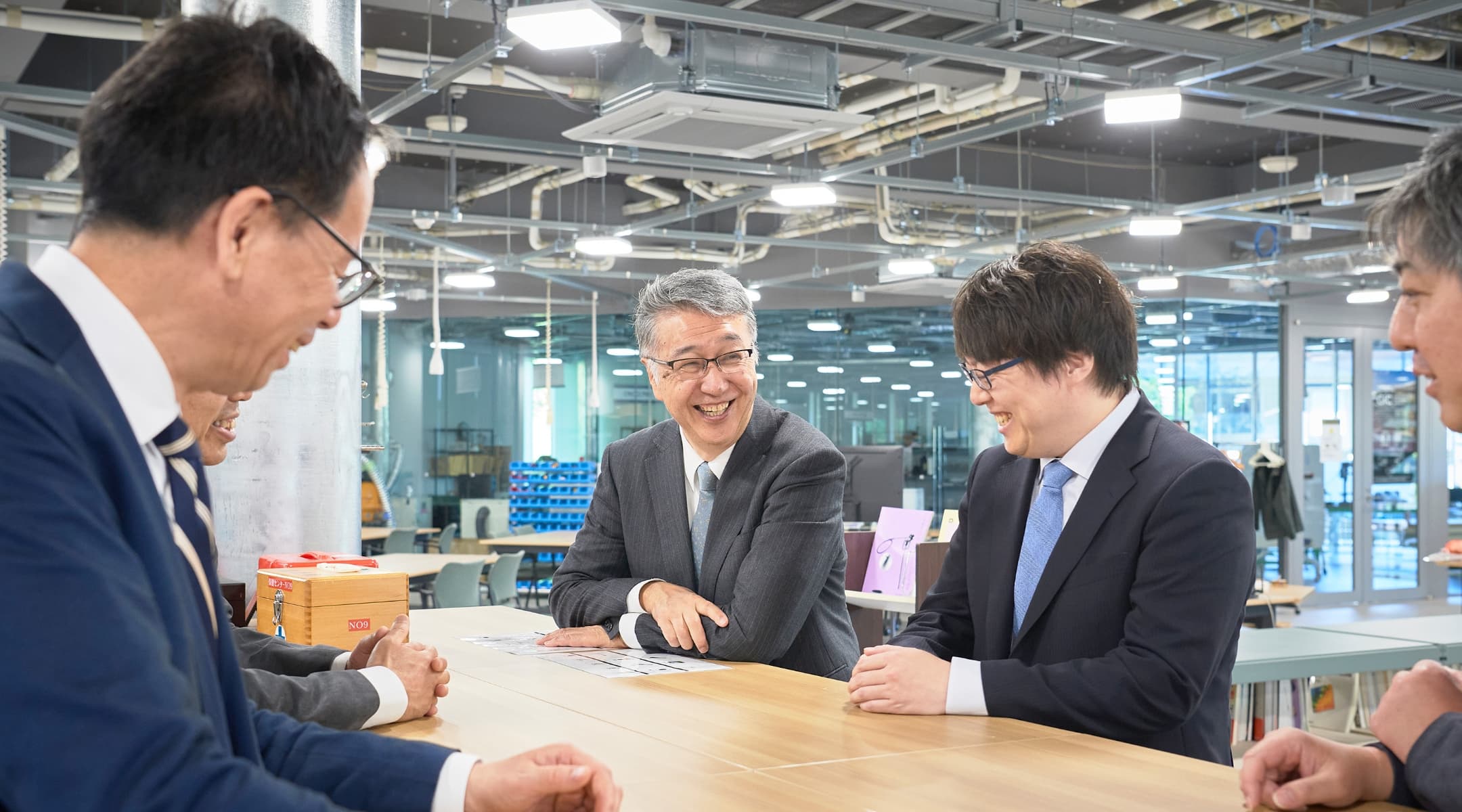
The graduate school plans for international students to make up about half of its enrollment capacity.
What are the benefits of Japanese and international students learning together in the same place?
-
NAKASUKA -
First of all, it will create an environment where communicating in English is simply part of everyday life. I think one major benefit is that domestic students will be able to develop their English language skills and an international outlook not only through classes taught in English, but also through everyday interactions with English-speaking friends.
Another benefit is the opportunity to learn more about the world by engaging people from different backgrounds in discussion.
There are also many countries around the world where infrastructure is not yet well developed. I'd be very interested to hear from students from these countries about the kinds of satellite missions they would like to see.
-
NAGAOKA -
On several occasions, I have worked with multinational teams at space agencies in Japan and overseas to initiate new missions.
Communication with people from other countries who have different ways of thinking is essential when pursuing international space exploration. Being able to gain this experience while conducting research as a student is a tremendous advantage.
International space missions also require finding common ground among multiple teams, each with its own objectives, while remaining true to your own convictions. I hope students will learn how to do this by gaining firsthand experience in the projects and space exploration missions offered by the graduate school.
I would like to see our graduates become researchers who represent their respective countries and eventually reunite on international space missions, drawing on what they learned at the Graduate School of Frontier Exploration in Earth and Space to carry out major projects together.
-
SAIKI -
Human expansion to the Moon and Mars should ideally proceed peacefully through international cooperation. However, divisions within the international community are becoming a serious concern.
Students who study together at this graduate school may eventually become involved in space policy in their respective home countries; therefore, I believe it is extremely important for them to gain experience in international exchange and develop a spirit of cooperation while they are still students, so that they can contribute to the peaceful development of space.
-
NAKAUCHI -
Even before reaching that stage, I think it's also important to develop the ability to communicate effectively with a wide variety of people.
If you simply listen to others in meetings and discussions and agree with what they say, you won't be able to accomplish what you want to do.
You need to gain experience communicating proactively with a wide range of people so that you become more comfortable interacting with others. I think one of the major strengths and attractions of this graduate school is that it provides an international environment where students can develop these skills.
#5 FRONTIER
Those who have studied space have unique strengths to offer not only in the space sector, but across a wide range of fields on Earth
Theme
What career paths can graduates pursue?
-
NAKASUKA -
Those who wish to pursue careers in the space sector may find employment at space agencies such as JAXA, major space-related companies, or startups.
Meanwhile, studying space will help students develop skills in areas such as project management and systems engineering, enabling them to bring together diverse team members and successfully carry out projects. These skills will allow them to excel in a wide range of fields beyond the space sector.
-
KOBAYASHI -
The name of the Graduate School of Frontier Exploration in Earth and Space includes the word “Earth.” We want our graduates to make an impact not only in space, but also here on Earth.
We aim to develop professionals who can take the lead in creating new value and turning ideas into viable businesses in fields such as heavy industry, manufacturing, construction, strategic consulting, and general trading companies.
-
SAIKI -
In the sciences, we want to develop not only natural scientists but also professionals who can apply their ability to extract information from nature in fields such as disaster prevention and environmental issues.
The knowledge and skills students acquire at this graduate school, including space-based observation and project execution, are also extremely important in the sciences.
I believe people who can take a comprehensive view of things will be the ones to drive progress in these fields.
-
NAKASUKA -
At a time when the sustainability of our planet is a major concern, I think learning about space can also help us deepen our understanding of Earth.
-
NAGAOKA -
Space technologies are not something entirely different from technologies used on Earth. Rather, they are adaptations of existing terrestrial technologies for use in space, and technologies that work in space can also be used on Earth.
I think that people who can approach things from the perspective of “space” or “Earth as a planet in space” are extremely valuable even to companies engaged in manufacturing here on Earth.
I hope this graduate school will cultivate pioneers who understand what makes Earth unique in terms of factors such as sunlight, cosmic radiation, and temperature, and who can use that understanding to generate new ideas.
-
NAKASUKA -
Taking a broad view and building systems that account for a wide range of environmental conditions comes naturally to people working in the space sector.
I believe students who study at this graduate school will be able to apply this broad perspective, one that extends beyond Earth alone, in a wide range of industries, including automobile manufacturing and industrial plant engineering.
By the time they graduate, students will be equipped to make valuable contributions not only in the space sector, but also across a wide range of other fields, drawing on the unique strengths they have gained through studying space.
VOICEExpectations for the
Graduate School